Hair is the usual reason a tub drains slowly. A drain protector sits in or over the opening, catches strands and soap scum before they reach the pipe, and lifts out so you can toss the buildup. Some are silicone domes, some are metal or plastic strainers, and some are mesh covers that stick over the drain.
The six below cover the main styles, including pop-up protectors for tubs with a stopper. We have not used these products ourselves, and drain sizes differ from tub to tub. Please check that the product fits your drain, and confirm the details on the current listing before you buy.
As an Amazon Associate we earn from qualifying purchases. Links below are affiliate links, and they do not change the product information we give.
What to Look For
| Feature | Why it matters |
|---|---|
| Drain type | Pop-up, lift-and-turn and trip-lever drains each need a different fit |
| Style | Domes and towers catch more hair; flat strainers sit low and hide |
| Material | Silicone is soft and flexible; metal and hard plastic keep their shape |
| Cleaning | Smooth surfaces let hair slide off with a wipe |
| Water flow | A good design catches hair without slowing the drain |
In this guide
Specs at a Glance
| Product | Style | Material | Notes |
|---|---|---|---|
| TubShroom | Tower-style protector | Silicone and plastic | Fits many pop-up drains |
| OXO Good Grips bathtub drain protector | Dome protector | Silicone and plastic | Check the drain fit |
| Danco tub drain strainer | Strainer | Metal or plastic | Sits in the opening |
| DrainWig | Pop-in protector | Plastic | Small and discreet |
| Whitmor tub drain strainer | Mesh strainer | Plastic and mesh | Basic and low cost |
| Kohler Duostrainer style | Strainer | Metal | Check the model |
The 6 Best Hair Catchers for Tubs
Top pickBest for homes with long hair
1. TubShroom Tub Drain Protector
A well-known protector shaped like a small tower that fits into the drain and catches hair around its sides. It is made for popular pop-up and lift-and-turn tub drains, so confirm which type you have before you order.
Suits: homes with long hair. Strengths: a design that is easy to clean. Weaknesses: a poor fit with some drain types. Skip it if you have an unusual drain.
View TubShroom Tub Drain Protector on Amazon
Best for those who want a comfortable grip
2. OXO Good Grips Bathtub Drain Protector
A dome-style protector from a brand known for grippy, easy-to-use home tools. It sits over the drain to catch hair, with a handle-style top for lifting it out. Check the listing for the drain types it fits.
Suits: those who want a comfortable grip. Strengths: a wipe-clean build. Weaknesses: not made for every drain. Skip it if your tub has a built-in stopper that needs the opening.
View OXO Bathtub Drain Protector on Amazon
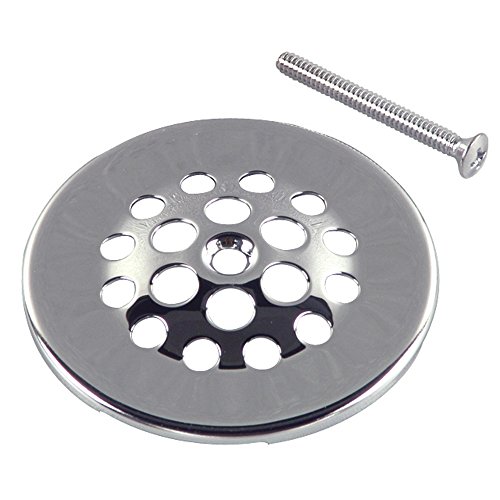
Best for a classic strainer look
3. Danco Tub Drain Strainer
A traditional strainer that sits in the drain opening and keeps hair from going in. It is a plain pop-in design from a plumbing parts brand, and it works as a lower-profile choice.
Suits: a classic strainer look. Strengths: a simple build. Weaknesses: you may need to clean it often. Skip it if you want a tall hair trap.
Best for a hidden catcher
4. DrainWig Hair Catcher
A small catcher meant to sit unseen in the drain and grab hair as water goes by. It suits people who want a low profile in the tub and do not mind pulling out the buildup by hand.
Suits: a hidden catcher. Strengths: a low profile. Weaknesses: check the drain size. Skip it if you want a handled lift-out.
View DrainWig Hair Catcher on Amazon
Best for a budget fix
5. Whitmor Tub Drain Strainer
A basic mesh-style strainer for the tub, sold for catching hair at a low cost. It is a simple fix for a household where the tub clogs now and then.
Suits: a budget fix. Strengths: a low price point. Weaknesses: thin material may wear out. Skip it if you want a long-lasting silicone piece.
View Whitmor Tub Drain Strainer on Amazon

Best for kohler drains
6. Kohler Duostrainer Tub Drain Strainer
A replacement strainer from a major faucet and fixture brand. It is the choice if you need a part that matches a Kohler drain, and you should check the exact model for your tub.
Suits: Kohler drains. Strengths: an OEM-style match. Weaknesses: not universal. Skip it if your tub is another brand.

Care and Setup
- Check your drain type before you buy: pop-up, lift-and-turn or trip lever.
- Pull the catcher out after a few showers and toss the hair in the trash.
- Rinse the protector with warm water to remove soap film.
- Never flush hair down the toilet or the drain.
Mistakes to Avoid
- Buying without checking what your drain looks like.
- Letting hair build up so much that it blocks flow.
- Forcing a protector into a drain it does not fit.
- Skipping cleanup and expecting the pipe to stay clear.
Identifying Your Tub Drain Before Choosing a Catcher
Most returns on drain products come from a simple mismatch, so spend a few minutes learning what you have. Tub drains fall into several common types. A lift-and-turn stopper has a knob you lift and twist to seal the drain. A push-pull or toe-touch stopper opens and closes when you press it with a foot or hand. A trip-lever drain uses a lever on the overflow plate, with a linkage that raises a plunger inside the pipe, and a flip-it stopper has a lever on the stopper itself. Some tubs have a simple open drain with no stopper at all.
To check, look at what happens when you close the drain, and unscrew the stopper if it is designed to come off. Some stoppers hold on by a threaded post, others lift out, and a few are glued or fixed. Measure the drain opening and note the style. Many product listings list the drain types they fit, and you should compare that line rather than relying on a photo.
If you have a trip-lever or pop-up system, the hair catcher usually sits in the drain opening or replaces the stopper, so check whether it blocks the mechanism and whether it lets you still close the drain for a bath. If you cannot tell which type you have, take a photo and compare it with the maker’s guide or ask a plumbing supplier.
Catcher Designs Compared and Who Each Suits
Hair catchers work in different ways, and the best match depends on the length and amount of hair in your household. Tower or dome designs rise above the drain and collect hair around a central column or under a cover. They tend to hold a lot before water flow slows, which suits long hair and shared tubs. Flat strainers sit in the opening and catch hair across a mesh or grid; they are low-profile and neat but fill up sooner and may need to be cleared after each shower.
Sticky or textured designs grab hair rather than just straining water. They can be effective but may also grab soap scum, and they need rinsing. Mesh covers that stick over the drain are simple but depend on a flat surface for adhesion, and they can lift if the seal fails.
- Long hair or several users: a tower or dome with room to collect.
- Short hair or a guest bath: a flat strainer is often enough.
- Appearance matters: a low-profile style that blends with the drain.
- Pets washed in the tub: a larger catcher that can handle coarse fur.
Also think about children, who may play with a raised catcher or step on it. A softer silicone design may be kinder to bare feet than a hard-edged metal one.
Materials, Fit and Keeping Water Flowing
Material affects fit and how the catcher behaves in daily use. Silicone is flexible, sits snugly in slightly different drain sizes and wipes clean, but it can tear with rough handling and may stain with some products. Hard plastic and metal hold their shape, which helps them stay aligned in the opening, though they can corrode or scratch the finish of the tub if they are forced in.
Fit is important for both hair control and water flow. A catcher that is too small lets hair slip around the edges, and one that is too large may sit unevenly and not seat properly. Do not force a catcher into a drain, since you risk damaging the drain flange, the stopper or the finish. If the product says it is suited to a range of drain sizes, check how it expands or grips.
A catcher slows drainage when it fills with hair and soap film. If the tub drains slower than before, clear the catcher first. Some designs include fine holes that clog with scum more quickly, so rinse them regularly. If water still pools after cleaning, the problem may be deeper in the pipe, and no surface catcher will fix that. In that case a plumber or a safe drain-cleaning method may be needed, and harsh chemical cleaners can damage some pipes, so check your plumbing material first.
A Cleaning Routine That Prevents Smells and Slowdowns
A catcher only helps if you empty it. Many households find that clearing it after the last shower of the day works best. Lift it out, pull the hair away with a tissue or a gloved hand, and drop it in the trash. Avoid rinsing hair down the drain or flushing it, since that moves the problem into the pipe.
Once a week, give the catcher a proper wash with warm water and dish soap. A soft brush removes the film of soap scum, shampoo and body oil that builds up and can smell. If the catcher has crevices where gunk collects, use an old toothbrush. For stubborn buildup, a soak in warm water with white vinegar can loosen deposits, but check that the material tolerates it and rinse well afterwards.
Also clean the drain opening and the tub around it. Residue left behind will feed odors and may stain the finish. If you notice a musty smell even after cleaning, check the overflow and the underside of the stopper. Wear gloves, and keep a small trash bag near the tub so you do not leave wet hair on the edge. This regular routine usually costs far less time than dealing with a blocked drain.
When a Catcher Is Not Enough and What to Do Next
A hair catcher reduces clogs but cannot stop everything. Soap scum, mineral deposits, dirt and fine fibers can still build up over time, particularly in hard-water homes or with heavy use of conditioners and body oils. If your tub starts to drain slowly even with a clean catcher, consider the next steps in order of severity.
Start with simple fixes. Remove the stopper and catcher, clear any visible hair and flush with hot water. A plastic drain snare, which is a long strip with barbs, can pull out hair from the upper pipe. A plunger can also move a clog if you block the overflow opening so it forms a good seal. Avoid harsh chemical drain openers where possible, since they can harm pipes, finishes and septic systems, and they are risky if they splash.
Replace a catcher if it is cracked, deformed or no longer seals around the edge. Signs include hair slipping past, a loose fit and persistent odors that cleaning does not remove. If clogs recur often, call a plumber, because there may be a partial blockage, a venting problem or damaged pipe further down. Keep notes on when slowdowns happen, which can help a professional diagnose the cause.
A Quick Pre-Order Checklist for Tub Hair Catchers
Hair catchers are small accessories, but a poor fit leads to slow drains and annoyance, so a few minutes of checking pays off. Use this list while you compare the TubShroom, OXO, Danco, DrainWig, Whitmor and Kohler options.
- Look at the drain from above and note the shape of the opening and whether there is a visible stopper mechanism.
- Measure the width of the opening with a ruler, then compare it with the size the listing gives.
- Check whether the catcher sits inside the drain, over it, or both.
- Read whether it is made for pop-up, trip-lever, lift-and-turn or push-and-pull stoppers, or for a plain open drain.
- Look for a note about removal, because you will be pulling it out regularly.
- Check that the material is described, such as silicone, stainless steel or plastic, so you know how it will handle soap and hair.
Three Common Tub Setups and What Usually Suits Them
| Your tub setup | What to look for | Watch out for |
|---|---|---|
| Open drain with no built-in stopper | A cover or insert that sits in or over the opening | A lip that is too narrow to stay in place |
| Trip-lever overflow plate | A catcher that sits in the drain without blocking the linkage | Anything that interferes with the plunger beneath |
| Pop-up or lift-and-turn stopper | A replacement strainer made for that stopper style, or a cover for the top | Mixing parts that were not made to fit together |
If the tub has a mechanism you cannot identify, take a photo of the drain and compare it with the maker’s pictures, or ask the seller before buying.
How to Read a Product Listing Carefully
Listings for drain accessories often rely on short phrases, and a small detail can change whether the product works for you. Pay attention to wording such as fits most drains, which is a broad claim rather than a precise measurement. Look for specific diameters, drain types, and photographs showing the item installed.
Customer photos are especially helpful here. They show how the catcher looks after weeks in a real tub, how much hair it holds, and whether it lifts out cleanly. Questions and answers on the page may also confirm fit with a particular tub brand or model.
Pay attention to the care notes as well. A piece that can be rinsed under the tap is a different experience from one that needs picking apart with a tool.
When to Call a Plumber Instead
A catcher helps with hair, but it cannot fix every drainage problem. If water backs up in more than one fixture, if you hear gurgling from other drains, or if the tub drains slowly even when the catcher is clean, the issue may lie deeper in the plumbing. In that case, follow the guidance of your local plumbing authority or call a licensed plumber rather than forcing tools down the line.
The same applies if you notice leaks around the drain, a loose or corroded drain body, or a stopper linkage that no longer moves smoothly. Those jobs involve plumbing components that belong in the hands of a professional, and the tub maker’s instructions should guide any repairs. For everyday upkeep, a catcher plus a simple cleaning routine is usually all a household needs.
Small Habits That Keep a Catcher Working
Even the best-fitting catcher only helps if it is emptied and cleaned on a regular rhythm. A few simple habits make the difference between a tub that drains briskly and one that slowly gets worse.
- Lift it out after the last shower of the day. Hair is much easier to remove while it is still loose and damp than after it has dried into a mat.
- Keep a small bin or tissue nearby. Having a spot within reach means the chore takes seconds instead of becoming something you postpone.
- Rinse off soap film now and then. Warm water and a gentle cleaner suit most materials, but the maker’s care note should decide which products are suitable.
- Look at the seat of the drain. After lifting the catcher, glance at the rim to see whether residue is collecting where the catcher sits.
- Bag hair before it goes in the trash. It keeps the bathroom tidier and avoids a mess when you carry the bin.
Hair and soap scum are the usual culprits behind slow tubs, and a catcher cannot trap everything. Fine hair, bath products and mineral deposits can still build up inside the pipe over the years. If you notice a persistent odor or sluggish flow even when you keep up these habits, treat that as a sign to look at the whole drain rather than adding more accessories. Replace a worn or warped catcher when it no longer sits snugly, since a loose one lets hair slip around the edges.
How the Picks in This Guide Compare With Each Other
A list of six good options only helps if you can narrow it down, so use this section to turn the six bathtub drain hair catchers above into a shortlist of two. The method is simple and it works for almost any product in this guide. First, decide the one job your bathtub drain hair catcher must do well every single day. Second, read the earlier section on each pick and note its stated strength and its stated limitation in a few words. Third, remove any pick whose limitation clashes with that main job. What remains is usually a genuine choice between two designs rather than a guess between six.
TubShroom Tub Drain Protector. Treat this pick as the reference point for its style in the list above. The section on it earlier in this guide sets out who it suits, what it does well and where it falls short, so compare every other option against those three points before you decide. If the limitation named there would bother you every day, cross it off early and save your time. If the strength named there matches the job you actually need done, it deserves a place on your final shortlist of two.
OXO Good Grips Bathtub Drain Protector. This option makes most sense when its described strengths line up with your room, your routine and the people who will use it daily. Read its earlier section once more and underline, in your mind, the one detail that matters most to you, whether that is size, material, storage, comfort or ease of cleaning. Then check that same detail on the listing itself, because listings change and the current page is the final word on what you will receive.
Danco Tub Drain Strainer. Buyers often overlook this kind of middle option because it is neither the simplest nor the most elaborate choice in the guide. That can be a mistake. A balanced pick usually asks for fewer compromises in daily use, even if it wins no single category outright. Compare it honestly against the pick above and the pick below it in this guide, and judge it on the full week of use it will get rather than on one standout feature.
DrainWig Hair Catcher. Treat this pick as the reference point for its style in the list above. The section on it earlier in this guide sets out who it suits, what it does well and where it falls short, so compare every other option against those three points before you decide. If the limitation named there would bother you every day, cross it off early and save your time. If the strength named there matches the job you actually need done, it deserves a place on your final shortlist of two.
Whitmor Tub Drain Strainer. This option makes most sense when its described strengths line up with your room, your routine and the people who will use it daily. Read its earlier section once more and underline, in your mind, the one detail that matters most to you, whether that is size, material, storage, comfort or ease of cleaning. Then check that same detail on the listing itself, because listings change and the current page is the final word on what you will receive.
Kohler Duostrainer Tub Drain Strainer. Buyers often overlook this kind of middle option because it is neither the simplest nor the most elaborate choice in the guide. That can be a mistake. A balanced pick usually asks for fewer compromises in daily use, even if it wins no single category outright. Compare it honestly against the pick above and the pick below it in this guide, and judge it on the full week of use it will get rather than on one standout feature.
When two picks still look equal after that exercise, let the practical details decide. Check the measurements given on each listing against the space you measured at home. Check what the listing says about assembly, installation or first use, and how much of that work falls on you. Check the care instructions, because a bathtub drain hair catcher that needs gentle handling will not suit a busy household no matter how good it looks in photos. The pick that fits your space, your routine and your patience is the right one, even if another pick looks better on paper.
Matching the Method to the Mess and the Material
The right approach depends on two things: what the blockage or stain is made of, and what your fixture and pipes are made of. Hair, soap scum, grease and mineral scale each respond to different treatments, and a method that clears one can be useless, or even harmful, against another. Before choosing from the picks in this guide, spend a minute diagnosing. A slow drain full of hair near the surface is a mechanical problem first, while a stained basin is a surface chemistry problem.
Material safety comes before strength. Enamel, porcelain, acrylic, stone and metal finishes each have cleaners they tolerate and cleaners that etch, dull or discolour them. Old pipes, septic systems and delicate seals add further limits. The listing and the label on any product you consider will state its safe surfaces and its warnings. Believe them. A stronger product used on the wrong surface trades a small problem today for permanent damage you will see every day.
Work from the gentlest method upward. Mechanical removal, hot water, and mild targeted products solve most household cases, and they carry the least risk to finishes, pipes and the people in the home. Save aggressive options for the cases that genuinely need them, follow the label exactly when you use them, and never combine products on the assumption that two cleaners must be better than one. Mixing household chemicals can create dangerous fumes.
Safe Handling, Ventilation and Storage
Bathrooms are small, warm and poorly ventilated, which makes them the worst room in the house for chemical mistakes. Open a window or run the fan before you start, keep your face away from the drain or basin while products are working, and wear the gloves the label recommends. If a product makes your eyes water or your chest feel tight, leave the room, let it ventilate and rethink the approach rather than pushing through.
Children and pets change the storage rules completely. Keep all cleaning products in their original labelled containers, sealed, and stored where small hands and curious animals cannot reach them, ideally in a latched cabinet outside the bathroom. Never decant a cleaner into a drinks bottle or an unlabelled spray, because that single habit is behind many household poisonings. Dispose of leftovers through your local household waste guidance rather than pouring everything down the drain at once.
Tools deserve the same respect as chemicals. Drain tools that go into a pipe come out carrying bacteria and sharp debris, so handle them with gloves, clean them outside or in a utility sink where possible, and store them away from toothbrushes and towels. Rinse and dry metal tools so they do not rust, and retire cracked plastic tools that could snap and leave a piece inside the drain.
A Prevention Routine That Stops Problems Returning
Most bathroom blockages and stains are slow accumulations that a light routine prevents. Hair caught at the surface each week never becomes the deep plug that needs a strong product. Soap scum rinsed and wiped while soft never hardens into the scale that needs scrubbing. Five unglamorous minutes on a regular day replaces the emergency treatment on a bad one, and it keeps finishes and pipes in better condition for years.
Hot water is an underrated ally. Running genuinely hot water through a drain after greasy or soapy use helps carry residues away before they set on the pipe walls. In the basin, a quick rinse and wipe after shaving, makeup or hair washing removes the material that later becomes a ring. These habits cost nothing and suit every product in this guide, because prevention does not care which brand you bought.
Know the limits of home treatment. A drain that blocks repeatedly in the same place, several fixtures draining slowly at once, gurgling sounds from other fixtures, or water backing up where it should not are signs of a deeper problem in the pipe run or the main line. At that point further product only delays the real fix. A plumber with a camera and proper equipment will find in one visit what repeated bottles cannot.
Reading Labels and Listings Like a Professional
Labels reward careful reading. Look for the surfaces the product is approved for, the contact time it needs to work, whether it is safe for septic systems and old pipes, and what to do if it touches skin or eyes. Contact time is the detail most people skip: a product rinsed away in thirty seconds cannot do the work its label promises for ten minutes, and blaming the product for that is unfair. Set a timer and let chemistry do the work.
In listings, separate the active idea from the marketing. The useful facts are the method, the surfaces, the size or quantity and any included tools. Vague promises of professional strength mean little without those facts. Photographs showing a product beside familiar objects help judge size better than dimensions alone, and the questions and answers sections of listings often reveal the exact use case you have in mind, answered by the maker.
Keep notes on what worked in your home. Pipes, water and habits differ between houses, so the product that cleared your drain in one home may not suit the next. A short note on your phone, naming the problem, the method and the result, turns each small job into knowledge. Over a few years that note becomes the most reliable buying guide you own, tailored to your own plumbing.
A Final Checklist Before You Start
Check five things before you start work. One: you have diagnosed the problem as best you can, hair, grease, scale, stain or a deeper blockage. Two: the method and product you have chosen are approved for your fixture material, your pipes and your septic system where relevant. Three: the room is ventilated, your gloves are on, and children and pets are elsewhere. Four: you have read the label fully, including contact time and first aid. Five: you know your stopping point, the result that means the job needs a tool or a plumber instead of another attempt.
Work gently and in order: remove what can be removed by hand, clean the parts you can reach, treat what remains, and give the treatment its full time before judging it. Most failed home treatments are not weak products but rushed ones, rinsed away before they could work or applied to the wrong problem entirely. Method beats strength in almost every bathroom in almost every home.
When the job is done, leave the area better than a quick fix would: parts cleaned and refitted properly, the floor beneath the mat or the cabinet checked for damp, tools washed and stored away from toiletries, and a note made of what worked. That closing routine is what turns a one off rescue into a bathroom that needs rescuing less and less often.
More Questions About bathtub drain hair catchers
Why did the cleaner work last time but not this time?
Because the blockage or stain is probably different. Hair near the surface, grease further down, soap scum and mineral scale each respond to different methods, and a product chosen for one will disappoint on another. Diagnose first: where the problem is, how fast the water moves, and what has been going down the drain lately. Then choose the method in this guide that matches that diagnosis.
Can I use two drain products one after another for a stubborn clog?
Do not layer products. Mixing or stacking household chemicals can create dangerous fumes and heat, and a second product cannot reach the clog through the first anyway. If one properly used treatment, given its full contact time, does not clear the drain, switch strategy entirely: use a mechanical tool, or call a plumber. Persistence with bottles is how small clogs become chemical hazards.
How do I protect my finish while cleaning the basin?
Check the cleaner against your basin material before it touches the visible surface, test it in an inconspicuous spot, use the softest cloth or sponge that will do the job, and rinse thoroughly when finished. Powders and pads that are safe on one material can etch or dull another. The maker’s guidance for both the cleaner and the basin outranks any general tip, including the ones in this guide.
What should I do about a drain that keeps smelling?
Smells usually come from the biofilm of soap, hair and skin that coats the top section of the drain and the overflow. Remove and clean the stopper, clean the catcher and the visible drain walls, and flush with hot water. If the smell returns quickly or comes from several fixtures, the cause may sit deeper in the pipework or the venting, which is a plumber’s investigation rather than another bottle.
Are enzyme cleaners worth trying before stronger products?
For slow drains caused by organic buildup, and for regular maintenance, enzymes are a sensible first step in many homes, including many with septic systems where the label allows. They work slowly and need their full contact time, often overnight, so they suit prevention and mild slowdowns rather than a fully blocked drain on a busy morning. Judge them on the job they are designed for.
How can I keep hair out of the drain in the first place?
A catcher that suits your drain style, emptied little and often, is the single most effective habit. Brush hair before washing it so loose strands end up in the bin rather than the drain, and rinse the catcher and stopper weekly so the trapped material never becomes a plug or a smell. The catchers in this guide differ mainly in fit and cleaning style, so match one to your drain and your tolerance for the chore.
What safety gear do I actually need for drain work?
Gloves that protect your hands from both chemicals and the contents of the drain, eye protection when using any product that could splash, and ventilation in the room. Keep products in their original containers, read the label before you open anything, and wash your hands and tools afterwards. If a product contacts skin or eyes, follow the first aid advice on its label immediately rather than finishing the job first.
When should I stop trying and call a plumber?
Call when several fixtures drain slowly at once, when water backs up into another fixture, when you hear gurgling from elsewhere in the system, when the same spot blocks repeatedly, or when you find corrosion, leaks or a shut off that will not work. Those signs point beyond the fixture in front of you. A plumber’s visit at that stage is cheaper than the damage a hidden problem causes while home treatments are retried.
Work at a calm time of day, not in the rush before guests arrive. Cleaning and drain work reward patience: labels ask for contact time, tools need a steady hand, and a hurried job is the one that ends with a splash or a skipped safety step. Give the task its minutes, ventilate the room, and the results will be better and the experience far less unpleasant.
After any treatment, run clean water and watch the result with fresh eyes. A drain that empties briskly and a basin that rinses clean tell you the job is done. A result that is only slightly better than before is information too: it suggests the problem sits deeper or is made of something else, and repeating the same treatment is unlikely to change it.
Keep the kit for these jobs together in one place: gloves, the products you actually use, a soft brush, cloths you do not mind staining, and the mechanical tools that suit your drains. A kit that lives together means a slow drain gets ten calm minutes when it is first noticed, rather than a postponed emergency. Restock it when something runs out, in the same way you would a first aid box, because the moment of need is the worst moment to discover an empty bottle.
Photograph your drain, stopper and overflow fittings before you dismantle anything, and lay the parts out in order as they come off. Bathroom fittings contain small seals and springs whose order is obvious while assembled and baffling afterwards. The photograph and the ordered layout turn reassembly into a copying exercise. That habit, borrowed from every good plumber, prevents the leaks that come from one seal replaced the wrong way round.
Build the habit of looking before you pour. Shine a light into the drain, lift the stopper, check the catcher, and look at the stain closely before choosing a method. Half of bathroom problems announce their cause at that inspection: hair wound around a stopper, soap stone in a trap, a cracked catcher letting everything through. Treating the cause you can see is faster, safer and cheaper than treating the symptom you imagined, and it is what a professional would do first on any call out.
Remember that drains and basins are connected to a wider system that includes other people’s comfort. Products flushed from your bathroom travel onward, and septic systems, shared stacks in apartment buildings and old communal pipework all have limits. Choosing the gentlest effective method, in the quantity the label states, is good citizenship as well as good plumbing. More product than directed does not clean more; it only sends more chemistry on a journey it does not need to take.
Keep children in the safety picture even when they are not in the room. Products stored under the very sink a toddler can open, tools left wet on the bath edge, and a treated drain left unguarded during its contact time are all risks that planning removes. Work when small children are elsewhere, store everything back in its safe place the moment you finish, and rinse and dry the area so the next small visitor meets a bathroom that is simply clean, with no trace of the work.
Over a year, notice the pattern of your bathroom’s problems. The drain that slows every spring, the stain that returns in the same corner, the smell that follows a particular product: patterns point to causes, in habits, in water, or in the pipe run itself. Acting on the pattern, with a catcher, a routine or a plumber’s single visit, ends the cycle. That is the real goal behind every pick in this guide: not a dramatic rescue, but a bathroom that quietly stops needing one.
Share what you learn with the household. The person who discovers that a catcher stops the slow drain, or that a particular basin needs gentle treatment, should pass it on before someone else rediscovers it the hard way. A note inside the cabinet door, naming the approved products and the one habit that matters, protects both the bathroom and the next person who cleans it. Homes run on these small, written kindnesses far more than on any single product.
Finally, keep the perspective these jobs deserve. A slow drain or a stained basin is an ordinary event in a working home, not a failure of housekeeping. Diagnose it calmly, choose the gentlest method that fits, give it time to work, and stop at the point where professional help is the sensible tool. That approach, repeated over years, keeps pipes, finishes and tempers in better condition than any heroic rescue, and it is the approach behind every recommendation in this guide.
Hair Catcher FAQ
Will a hair catcher stop all clogs?
It helps, but soap scum and other debris can still build up over time.
How do I know my drain type?
Look at how the stopper works. A lever, a twist or a push-down top points to different types.
Are silicone covers better than metal ones?
Silicone is flexible and easy to wipe. Metal holds its shape, so the right pick depends on your drain.
Will a hair catcher fit every tub?
No. Tub drains differ in type and size, so check the listing for the drain styles it fits and confirm yours before ordering.
How often should I empty the catcher?
Many households clear it after each shower or at least daily. Long hair and shared tubs may need more frequent cleaning.
Can I use a catcher with a trip-lever drain?
Some designs work with these drains, but you must check how the catcher interacts with the stopper mechanism. Read the product listing and manual for compatibility.
Why does my tub still drain slowly with a catcher?
The catcher may be full of hair and soap film, or the clog may be deeper in the pipe. Clean the catcher first, and call a plumber if the slowdown continues.
Are chemical drain cleaners safe to use?
They can damage some pipes and finishes and are hazardous to handle. Mechanical removal is usually a safer first step, and you should follow the label if you do use one.
How do I get rid of the smell from a hair catcher?
Wash it weekly with warm water, dish soap and a soft brush, and clean the drain opening too. A vinegar soak can help if the material allows it.
Do silicone catchers wear out?
Over time they can tear, stain or lose their grip. Replace one that is damaged or no longer sits snugly in the drain.
The Short Version
For long hair, the TubShroom. For a grippy dome, the OXO. For a classic look, the Danco. For a hidden catcher, the DrainWig. For a budget fix, the Whitmor. For a Kohler match, the Duostrainer.


