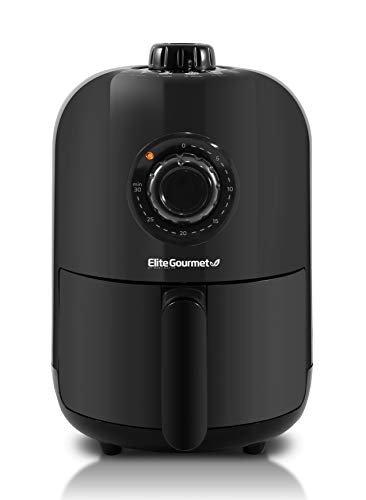
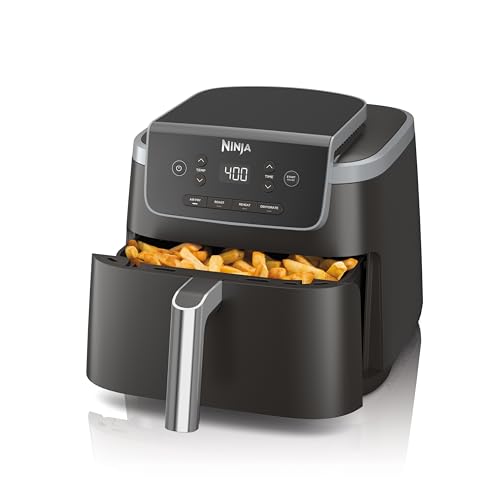
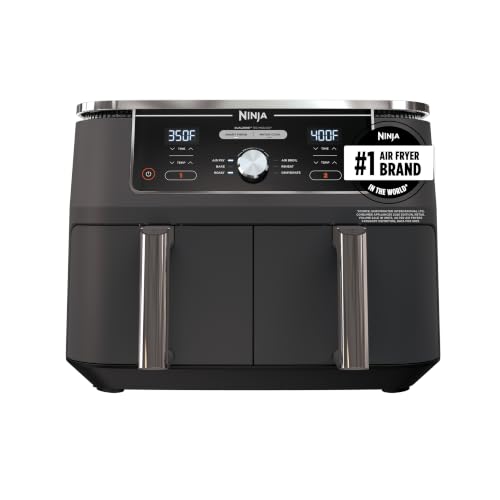
A ceramic air fryer usually means a model with a ceramic-based nonstick coating on its basket or tray, sold as an alternative to older PTFE coatings. The appeal is a coating many buyers see as more natural, along with the usual crisping from fast-moving hot air. Because wording such as ceramic can describe different things, such as a coated basket or a ceramic-based layer, reading the full listing matters more here than in most categories.
Coating claims differ from model to model and even between versions of the same model, so treat this list as a starting point. We have not used these air fryers ourselves. Confirm the coating, capacity and features on the current listing before buying, and read the maker’s care notes so the basket lasts.
As an Amazon Associate we earn from qualifying purchases. Links below are affiliate links, and they do not change the product information we give.
What to Look For
| Feature | Why it matters |
|---|---|
| Coating | The listing should name the basket coating, not just say nonstick |
| Capacity | Pick a size class that fits your household |
| Baskets | Dual baskets cook two foods at once |
| Controls | Presets are handy, but simple dials are easier to learn |
| Cleaning | Dishwasher-safe parts save time; check the manual |
In this guide
Specs at a Glance
| Air fryer | Type | Size class | Notes |
|---|---|---|---|
| Ninja Air Fryer AF101 | Single basket | Mid size | Confirm coating on the listing |
| Ninja Foodi DualZone Air Fryer | Dual basket | Large | Two independent zones |
| COSORI Pro Air Fryer | Single basket | Mid to large | Preset programs |
| Instant Vortex Plus | Single basket | Mid size | Multiple cooking modes |
| Gourmia Digital Air Fryer | Single basket | Varies by model | Check size on the listing |
| Philips Airfryer | Single basket | Varies by model | Check coating before buying |
The 6 Best Ceramic Air Fryers
Top pickBest for one to a few people
1. Ninja Air Fryer AF101
A compact, popular basket air fryer that Ninja has marketed with a ceramic-coated nonstick basket and crisper plate. It focuses on air frying, roasting, reheating and dehydrating with a simple control panel.
Suits: one to a few people. Strengths: a simple layout and wide availability. Weaknesses: one basket only. Skip it if you cook two foods at once.
View Ninja Air Fryer AF101 on Amazon

Best for families
2. Ninja Foodi DualZone Air Fryer
A two-basket model with independent zones, so you can cook two foods with different settings or match both baskets. Check the listing for the exact capacity and coating of the version you pick.
Suits: families. Strengths: two baskets and a large total size. Weaknesses: a bigger footprint. Skip it if counter space is tight.


Best for everyday cooking
3. COSORI Pro Air Fryer
A basket-style air fryer from COSORI with a digital panel and preset programs. The brand has several versions, so check the coating and size on the current listing.
Suits: everyday cooking. Strengths: presets and a well-known brand. Weaknesses: coating details vary. Skip it if you need a confirmed ceramic basket.

Best for cooks who like extra modes
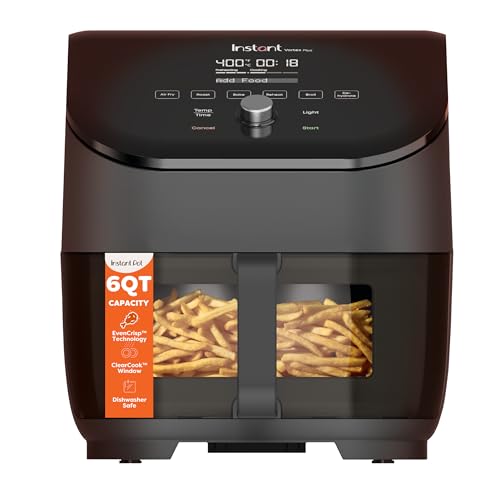
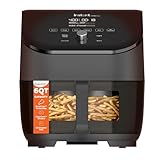
4. Instant Vortex Plus
A basket air fryer from Instant, the brand behind Instant Pot, with several cooking modes and a digital display. Sizes and features vary across the Vortex line, so match the listing to your needs.
Suits: cooks who like extra modes. Strengths: a flexible feature set. Weaknesses: many versions. Skip it if you want a bare-bones fryer.

Best for budget-friendly shoppers
5. Gourmia Digital Air Fryer
Gourmia sells a range of basket air fryers with digital controls. Some listings mention ceramic-style coatings, so look for that wording and the stated capacity on your chosen version.
Suits: budget-friendly shoppers. Strengths: a wide range of sizes. Weaknesses: details differ per model. Skip it if you want one definitive model.


Best for buyers who value a long-running brand
6. Philips Airfryer
Philips helped popularize the home air fryer and still sells several models. Coatings differ, so check the listing before assuming a ceramic surface.
Suits: buyers who value a long-running brand. Strengths: an established design. Weaknesses: ceramic is not guaranteed. Skip it if ceramic is a must-have.

Care and Setup
- Wash the basket by hand with a soft sponge unless the manual says otherwise.
- Skip aerosol cooking sprays, which can wear coatings.
- Leave space around the unit for airflow.
- Shake or flip food halfway for even crisping.
- Check the manual for any limit on metal tools or sprays before first use.
- Let the basket cool before washing so the coating is not shocked by cold water.
Mistakes to Avoid
- Assuming every model in a line has a ceramic basket.
- Using metal utensils on the coating.
- Overfilling the basket.
- Skipping the manual’s cleaning steps.
- Judging a coating by the product title alone instead of the listing details.
- Stacking food so tightly that air cannot circulate around it.
What a Ceramic Coating Actually Means on an Air Fryer
The word ceramic gets used in several ways on kitchen appliance listings. In most cases it refers to a nonstick layer applied to the basket or tray that is made from a silica-based material, often described as a sol-gel coating, as an alternative to PTFE-based nonstick. Occasionally it refers to a ceramic plate or a ceramic-style finish rather than a full ceramic cooking surface. An air fryer is not made of ceramic the way a stoneware dish is, so the term nearly always describes the coating on removable parts.
That is why you should look for specific wording. A good listing names which parts are coated, such as the basket, the crisper plate or the divider, and says what the coating is. If it only says nonstick, or only uses the word ceramic in the title, check the details section, the manual or the maker’s site. Coatings can differ between versions of the same product line, and a replacement part can be different from the original.
Do not assume a ceramic label tells you everything about safety or durability. Makers describe their own coatings, and the listing is the best source of what they claim. If a PTFE-free or PFAS-free surface matters to you, look for that statement in the listing or manual and ask the seller if it is unclear.
Capacity, Footprint and Household Size
Air fryer size is given in quarts or liters, but what counts is how much food fits in a single layer. Air fryers work by moving hot air around food, so crowding the basket produces uneven results. A mid-size basket often suits one to three people, while larger households may need a bigger single basket or a dual-basket design that lets you cook two items at once.
Think about what you cook. Whole chicken pieces, a tray of fries or a batch of vegetables need floor area in the basket, while small items like nuggets or reheated slices do not. Check the interior dimensions if they are given, as a basket can be deep but narrow.
- Measure the counter space, including clearance above and behind for airflow.
- Check the cord length and the nearest outlet.
- Look at whether the basket handle sticks out and needs extra room.
- Consider where you will store the unit, since many are bulky.
Dual-zone models let you cook two foods with different settings or sync the baskets to finish together. They take up more room, and each basket is smaller than the total size suggests, so check both numbers on the listing.
Also consider how the unit’s controls feel with wet or greasy hands, and whether the display is readable from a standing position. A clear, simple interface is worth more than a long preset list you never use.
Controls, Presets and Extra Cooking Modes
Controls range from simple dials for time and temperature to digital panels with presets and apps. Presets give you a starting point for fries, chicken or fish, but they are only suggestions and you will often adjust them. A dial is quick to learn and has fewer parts to fail, while a digital panel offers more precision and sometimes shake reminders.
Many models list extra modes such as roast, bake, reheat, dehydrate and broil. These are useful if they match what you cook, but they vary in what they actually do, so read the manual. A mode that works well in one design may be less useful in a small basket. Check whether the unit has a preheat function or needs preheating manually, and whether the basket must be in place for it to run.
Noise, fan strength and heat output also affect daily use. Makers quote some figures, but these are their own measurements. Watch for details such as an automatic shutoff, a basket-removal pause and a clear display. A unit that is easy to use every day is better than one with extra settings you never touch.
If you share the kitchen, ask whether the fan noise is acceptable to everyone in the home. Makers rarely give comparable noise figures, so a return window is a useful safety net.
Protecting the Coating Day to Day
Coatings of every type last longer with gentle handling. Use wooden, silicone or nylon tools in the basket, since metal can scratch. Avoid cooking sprays with propellants, which can leave residue and may affect coatings. A light brush of oil is usually enough when you need it.
Let the basket cool before washing, and use a soft sponge with warm, soapy water. Even if the listing says the parts are dishwasher safe, many makers suggest hand washing to extend life, so consult the manual. Do not use abrasive pads or scouring powders. For stuck-on food, soak the basket briefly and wipe.
Keep the heating element and fan area clean, according to the manual, since grease can build up and cause smoke. Unplug the unit and wait until it is cool before wiping any interior surface with a damp cloth. Store the basket so that nothing rubs the coating, and avoid stacking heavy items on it.
Replace the basket or tray if the coating flakes, peels or looks damaged. Check whether the maker sells replacement parts, as this can be cheaper than buying a new unit.
Lining the basket with perforated parchment made for air fryers can reduce sticking for sticky foods, but only if the manual allows it and the paper is weighted down by food so it cannot lift into the element.
Questions to Ask Before Buying and When to Replace
Before you order, ask a few specific questions. Which parts have the ceramic coating, and is it stated by the maker? What is the usable capacity, not just the headline number? Are baskets and plates dishwasher safe? What is the warranty, and does it cover the coating? Can replacement baskets be bought? Does the unit have power ratings that suit your kitchen’s circuit?
Budget tiers usually reflect build quality, capacity and extra functions. Entry-level units can be good for simple tasks, while higher tiers offer larger baskets, dual zones and more precise controls. It is worth paying more only for features you will use.
Signs that it is time to replace an air fryer include a peeling basket coating, food that sticks even with light oil, a fan that is noisy or struggles, uneven heating that cleaning does not fix, a loose basket or a damaged cord. If an appliance smells of burning, stop using it and contact the maker. Keep the manual and receipt for warranty claims.
Ask about the cord length and where the exhaust vent points, since hot air blown against a wall or cabinet can cause damage. Many manuals ask for a gap behind and on the sides of the unit.
Understanding Ceramic Coatings in an Air Fryer
When a listing says ceramic, it usually means the basket or tray carries a non-stick coating made from a mineral-based material rather than a traditional polymer layer. The exact formulation differs by maker, so read the specification sheet to see what the label really covers: the basket, the crisper plate, or only a small part.
Ceramic coatings tend to feel smooth and release food well when they are new. Over time, harsh scrubbing, metal utensils and very high heat can dull them. The care sheet from the maker is the best guide to temperature limits and cleaning methods, so treat it as a short, useful read before the first cook.
Single Basket Versus Dual Zone: Which Fits Your Kitchen
Capacity and layout affect daily use more than most other features. This table sums up the usual trade-offs.
| Question | Single basket | Dual zone |
|---|---|---|
| Cooking two foods at once | Needs sequential cooking or a divider | Separate drawers with their own settings |
| Counter footprint | Usually compact | Wider and heavier |
| Cleaning | One basket to wash | Two baskets to wash |
| Family meals | Good for a main or a side | Handy for protein and vegetables together |
| Storage | Easier to tuck away | Often stays on the counter |
Think about how many people you feed and how often you cook two things with different timing. A single basket can be ideal for singles and couples, while a dual zone saves time for bigger households.
Common Mistakes With Ceramic Baskets
- Using aerosol sprays. They can leave a sticky film on coatings. A light brush or mist of oil from a refillable bottle is a better choice.
- Overfilling the basket. Crowding blocks airflow and leads to uneven browning.
- Cleaning while hot. Let the basket cool before washing to avoid stressing the coating.
- Reaching for scouring pads. A soft sponge and mild soap protect the surface.
- Ignoring the preheat instruction. Some recipes and models expect a short warm-up, so check the manual for your unit.
Reading a Listing for Ceramic Air Fryers
Clear product pages should list capacity in quarts, wattage, the temperature range and the included accessories. Look at whether the basket is removable and whether the maker states that parts are dishwasher safe. Note the cord length, the footprint and the weight, since these affect where the unit can live.
Pay attention to how the listing describes the coating. Phrases that name the coating and its coverage are more useful than vague slogans. Check that replacement baskets or trays can be bought from the maker, because that extends the useful life of the appliance. For electrical details such as outlet needs and safe placement, follow the manual and keep the vents clear of walls and cabinets, as the maker specifies.
Cleaning and Care Routine
After each use, let the unit cool, then remove the basket and wash it by hand with warm water and mild soap unless the maker states that it is dishwasher safe. Use a soft sponge and avoid steel wool. Wipe the heating area with a damp cloth when the appliance is unplugged and fully cool, and take care not to let water drip into the base.
- Soak baked-on residue for a few minutes rather than scraping.
- Dry the basket before putting it back to prevent water marks.
- Check the coating now and then for scratches or rough spots.
- Store the basket where it will not be knocked by heavy pans.
Choosing by Household Size
Capacity guides help narrow the field. Smaller baskets suit one or two people and fit a snack or a few chicken pieces. Midsize baskets handle a family dinner side. Larger capacities or dual drawers suit batch cooking and gatherings. Read the capacity in the listing and then picture the amount of food you cook on a normal night. If you often cook for guests, extra space saves repeat batches, but it also needs more counter room, so measure before you decide.
Ceramic Air Fryer FAQ
Is ceramic the same as PTFE-free?
Not necessarily. Read the listing wording and the maker’s statement on coatings.
Does ceramic last longer?
Care matters more than the label. Gentle cleaning helps any coating last.
Are ceramic baskets dishwasher safe?
Some are, but hand washing is often advised. Check the manual.
What size should I get?
Small households do well with a mid size basket; families may want a large or dual model.
How can I tell if the basket is really ceramic coated?
Look for the maker's own statement in the listing details, manual or support pages. A specific mention of the coated parts is more reliable than a general title. If it is unclear, ask the seller or contact the brand.
Can I use metal utensils in a ceramic-coated basket?
It is safer not to. Metal can scratch coatings of any kind, so silicone, wood or nylon tools are the usual advice. Check the manual for the maker's guidance.
Do I need to season a ceramic air fryer basket?
Some makers suggest washing before first use and some mention a light oil coating, but practice differs. Follow the manual for your model.
Is a dual-basket air fryer worth it?
It helps if you often cook two foods at the same time or cook for several people. It needs more counter space and each basket is smaller than the total capacity.
Why does food stick even though the basket has a coating?
Overfilling, cooking very sticky foods without any oil, or a worn coating are common causes. Try a light oil brush, cook smaller batches and check for damage.
Can I put foil or parchment inside?
Some manuals allow it if it does not block airflow and is secured so it cannot lift into the heating element. Check your model's instructions.
How often should I clean the heating element area?
Follow the manual. A regular wipe when the unit is cool prevents grease build-up that can cause smoke.
Choosing Ceramic Air Fryers With a Clearer Eye: The Criteria That Actually Matter
Listings for ceramic air fryers tend to lead with the headline feature, but the choice you live with is decided by quieter details: how the air fryer fits your space, how it behaves on an ordinary weekday, and how much effort it asks from you after the cooking is done. Start by writing down the job you need done most often. A household cooking the same favourite meals every week needs something different from a household that experiments at weekends, and both need something different from someone buying for a second home, a rental or a gift. When the main job is clear, the rest of the comparison becomes much simpler, because features that do not serve that job can be ignored instead of paid for in money, space and upkeep.
Next, measure before you fall in love with a model. Measure the counter where it will sit every day, the access route to it, and the working room you need around it, then compare those figures with the dimensions on the listing and in the manual. Pay attention to electrical supply, clearance behind and above the unit and the fit of the basket or drawer, because a model that fits the gap but cannot be connected, vented or used as the maker intends is not a fit at all. Photographs on a listing can make almost anything look compact or spacious; your own tape measure is the only version of the truth that matters on delivery day.
Finally, judge the everyday details: how the controls feel and read, how the parts you touch daily are made, what is included in the box, and whether replacement parts and accessories are easy to find. Read the description of each pick in this guide again with those questions in mind. The right choice among ceramic air fryers is rarely the one with the longest feature list; it is the one whose size, controls and care routine match the way your household actually cooks, week after week.
Matching the Picks to Real Households and Real Routines
It helps to picture a week of use rather than a single special occasion. The scenarios below follow the descriptions already given for each pick in this guide, so you can line your own routine up against them and see which profile sounds most like your home.
Ninja Air Fryer AF101. This pick is presented above as suiting one to a few people, with a simple layout and wide availability as its noted strength. Picture it in a household that matches that description and it makes immediate sense: the strength is the thing you will benefit from every time you cook, not just on the first weekend. Keep the honest limitation in view as well, because the guide notes one basket only. If your routine leans heavily on exactly the thing it does less well, look again at the neighbouring picks before deciding, and remember the guide’s own steer that it is one to skip if you cook two foods at once.
Ninja Foodi DualZone Air Fryer. This pick is presented above as suiting families, with two baskets and a large total size as its noted strength. Picture it in a household that matches that description and it makes immediate sense: the strength is the thing you will benefit from every time you cook, not just on the first weekend. Keep the honest limitation in view as well, because the guide notes a bigger footprint. If your routine leans heavily on exactly the thing it does less well, look again at the neighbouring picks before deciding, and remember the guide’s own steer that it is one to skip if counter space is tight.
COSORI Pro Air Fryer. This pick is presented above as suiting everyday cooking, with presets and a well-known brand as its noted strength. Picture it in a household that matches that description and it makes immediate sense: the strength is the thing you will benefit from every time you cook, not just on the first weekend. Keep the honest limitation in view as well, because the guide notes coating details vary. If your routine leans heavily on exactly the thing it does less well, look again at the neighbouring picks before deciding, and remember the guide’s own steer that it is one to skip if you need a confirmed ceramic basket.
Instant Vortex Plus. This pick is presented above as suiting cooks who like extra modes, with a flexible feature set as its noted strength. Picture it in a household that matches that description and it makes immediate sense: the strength is the thing you will benefit from every time you cook, not just on the first weekend. Keep the honest limitation in view as well, because the guide notes many versions. If your routine leans heavily on exactly the thing it does less well, look again at the neighbouring picks before deciding, and remember the guide’s own steer that it is one to skip if you want a bare-bones fryer.
Gourmia Digital Air Fryer. This pick is presented above as suiting budget-friendly shoppers, with a wide range of sizes as its noted strength. Picture it in a household that matches that description and it makes immediate sense: the strength is the thing you will benefit from every time you cook, not just on the first weekend. Keep the honest limitation in view as well, because the guide notes details differ per model. If your routine leans heavily on exactly the thing it does less well, look again at the neighbouring picks before deciding, and remember the guide’s own steer that it is one to skip if you want one definitive model.
Philips Airfryer. This pick is presented above as suiting buyers who value a long-running brand, with an established design as its noted strength. Picture it in a household that matches that description and it makes immediate sense: the strength is the thing you will benefit from every time you cook, not just on the first weekend. Keep the honest limitation in view as well, because the guide notes ceramic is not guaranteed. If your routine leans heavily on exactly the thing it does less well, look again at the neighbouring picks before deciding, and remember the guide’s own steer that it is one to skip if ceramic is a must-have.
Notice how the picks divide the work between them. Some are aimed at smaller households and tighter spaces, some at larger groups and heavier use, and some at buyers who simply want the least complicated route to a good result. There is no single winner for every home, and that spread is deliberate: choosing well means matching the profile to your household, not picking the name you recognise first.
Setup, Placement and the First Week
Good results with any air fryer start before the first meal. Setup means measuring the footprint and clearance, washing the removable parts before first use, checking what the cooking surface is made from on the listing, and running a short empty cycle if the manual recommends one. None of that is glamorous, but each step prevents a common disappointment: a unit that rocks, a door that will not seal, a control that behaves oddly, or a first cook spoiled by packaging or residue that should have been dealt with beforehand. Keep the manual open during setup rather than relying on habit, because models that look alike often differ in one important instruction.
Placement deserves the same care. Think about where heat, steam, smoke or splashes will travel, what surfaces sit nearby, and whether you can move around the air fryer safely while carrying hot or heavy food. Think, too, about the unglamorous logistics: where ingredients and tools will wait, where finished food will land, and where you will put hot parts down. A cooking area that works on paper but forces you to cross a busy room with a full, hot load will annoy you every single time you use it.
Use the first week as a gentle trial rather than a test of limits. Cook familiar food, learn how the controls respond, and note anything that surprises you: uneven results, noises, smells from new materials, or parts that feel loose. Check fixings and connections again after the first few uses, because vibration and heat cycles can settle things. If something seems wrong, stop and consult the manual or the maker while the purchase is new, rather than adapting your cooking around a fault.
Everyday Technique: Getting More From the Same Equipment
Technique matters as much as the model you choose. In practice, good everyday use of a air fryer means arranging food in a single layer with space for air to move, shaking or turning food partway through, working in batches for larger amounts, and letting the drawer rest a moment before serving so steam settles. Those habits sound simple, yet they are where most disappointing results are born: food crowded so it steams instead of browning, equipment used before it is ready, or settings chosen by habit rather than by the food in front of you. Slow down the first minute of any cook and the rest usually follows.
Build a small rotation of reliable meals before you chase ambitious ones. When you know exactly how a familiar dish behaves, you can judge the equipment fairly and adjust one variable at a time: a different position, a little more or less time, a different order of cooking. Keep brief notes, even just on your phone, naming the dish, the setting and the result. After a month those notes are a personal manual that no general guide can match, because they describe your air fryer, your ingredients and your tastes.
Also plan the cook around the people eating. Work backwards from serving time, allow for resting and for the side dishes, and keep finished food somewhere sensible rather than rushing everything to finish at once. The cooks who seem effortlessly good with equipment like this are rarely doing anything mysterious; they have simply arranged the sequence so that the air fryer is never the bottleneck and nothing waits long enough to spoil.
Cleaning, Care and Storage That Keep It Working Well
Care is where ownership is won or lost, and for a air fryer the routine centres on the basket or drawer, crisper plate, cavity walls and the exterior. Let everything cool to a safe point first, then clean while residue is still fresh enough to lift easily. Follow the manual on which parts can be immersed, which cleaners are safe and which tools to avoid, because coatings, seals and sensors vary and the wrong scourer or spray can do quiet, permanent damage. A soft cloth, mild soapy water and patience cover most of what everyday cleaning requires.
Make the routine small enough to actually happen. A quick wipe and empty after each use, a slightly deeper clean on a regular rhythm, and a periodic check of the parts that wear, block or perish will prevent the slow build-up that turns a pleasant appliance into a chore. While you clean, look at the equipment as well as at the dirt: seals that are cracking, surfaces that are changing, fixings that have loosened and vents that are clogging all announce themselves early to anyone who is paying attention.
Storage matters too. Keep the air fryer clean and dry, with the drawer or basket loosely in place and the cord kept clear of hot surfaces. If it will sit unused for a long period, clean it thoroughly first, because old residue attracts smells and pests and hardens into a much bigger job. Store any removable parts and accessories together with the unit, and keep the manual with it or photographed on your phone, so the next person to set it up is not guessing.
Problems, Causes and Fixes Worth Knowing
Most problems with equipment in this category follow a pattern: the result disappoints, and the cause turns out to be preparation, loading or timing rather than a broken machine. Before concluding that a air fryer is faulty, repeat the cook with the basics corrected: the right preparation, sensible spacing, the setting the recipe or manual actually specifies, and enough patience to let the process finish. A surprising number of faults disappear at that point, and the ones that remain are much easier to describe accurately to the maker.
Keep a simple order of checks. Is the air fryer set up as the manual describes, with every part seated and every supply properly connected? Is it clean in the places that affect performance? Are you asking it to handle more, larger or wetter food than it is meant to? Work through those questions in order, change one thing at a time, and note the result. Random changes teach you nothing and can turn one small issue into several confusing ones.
Know, too, when to stop troubleshooting. Burning smells from electrical parts, damaged cords or connections, doors or lids that will not close and seal properly, fuel smells you cannot explain, and any sparking or smoke from places that should not smoke are all stop-and-seek-help signals. Unplug, switch off or disconnect as the manual directs and contact the maker or a qualified professional. No meal is worth pressing on with equipment that is telling you something is wrong.
How the Picks Compare, Side by Side
The table below restates the positioning already given for each pick in this guide, gathered in one place so the trade-offs are easy to scan. It adds no new claims; it simply lines up who each pick suits and what it does best, which is the comparison most buyers actually need.
| Pick | Suits | Strengths | Honest limitation |
|---|---|---|---|
| Ninja Air Fryer AF101 | One to a few people | A simple layout and wide availability | One basket only |
| Ninja Foodi DualZone Air Fryer | Families | Two baskets and a large total size | A bigger footprint |
| COSORI Pro Air Fryer | Everyday cooking | Presets and a well-known brand | Coating details vary |
| Instant Vortex Plus | Cooks who like extra modes | A flexible feature set | Many versions |
| Gourmia Digital Air Fryer | Budget-friendly shoppers | A wide range of sizes | Details differ per model |
| Philips Airfryer | Buyers who value a long-running brand | An established design | Ceramic is not guaranteed |
Read the table by elimination. Cross out any pick whose limitation collides with your most common cook, then compare what remains on the strength that matters most to you. If two picks still look equal, decide on the practicalities: the one that fits your space better, includes what you need in the box, or has the care routine you are most likely to keep. Those everyday factors separate near-equal products far more reliably than any headline feature.
Living With It: Costs, Parts and Knowing When to Replace
The purchase is only the first part of ownership. Over its life a air fryer asks for consumables, occasional replacement parts and a little of your time, and the picks in this guide differ in how easy those things are to find and fit. Before buying, check that the parts most likely to wear are available for the model you are considering, and keep the model details from your order somewhere safe. A photograph of the nameplate or box label, plus the order confirmation, makes any future conversation with a seller or maker far shorter.
Judge value across the whole period you expect to keep it. A model that suits your routine, cleans easily and has parts available will usually serve you better than a more elaborate one that fights your habits. Equally, replacing a worn part promptly is often the sensible middle path between struggling on and replacing the whole unit: if the body, controls and core function are sound, a fresh wear part can restore the performance you were missing.
Replacement time comes when repairs stop making sense: when the core function has degraded, when safety-related parts are involved, when parts are no longer available, or when your household has simply outgrown the size or style. When that day comes, this same process applies: define the job, measure the space, compare the current picks on the criteria above, and let your notes from the old unit tell you what to prioritise. Experience is the best buying guide there is, and by then you will have plenty of it.
One more check that saves real regret: read the listing photographs as carefully as the description. Photographs show what is actually included, the shape of the controls, the finish of the parts you will handle daily and sometimes accessories that the text mentions only in passing. Compare the photographs with the written list of what is in the box, and if the two disagree, ask the seller before ordering rather than assuming the more generous version is correct. Small mismatches discovered at checkout are trivial; the same mismatch discovered on your counter, with the old equipment already gone, is a genuine problem.
Think about who else will use the equipment, not just who is buying it. A partner, a teenager learning to cook, an older parent or a housemate will each approach the controls differently, and the best choice is one that everyone in the home can use confidently and safely. Clear markings, positive-feeling controls and a manual that explains things plainly matter more in a shared kitchen than in a solo one. If one person will do all the cooking, weight your own habits; if the work is shared, weight clarity and forgiveness, because equipment that only one person understands tends to be used by only one person.
Consider the noise, heat and smells a purchase brings into the home, because listings rarely dwell on them. Equipment that heats a small kitchen in summer, hums through an open-plan living space or holds cooking smells in soft furnishings changes how a home feels, not just how dinner turns out. None of that makes a product good or bad, but it does mean the right home for a given model depends on the building as well as the cook. Where you can, plan ventilation, placement and timing of big cooks around the comfort of the household, not only around the recipe.
Delivery and returns deserve a thought before you order, especially for anything large, heavy or fragile. Check how the item is delivered, whether it comes to the door or into the room, and what you are expected to do with packaging and with any old unit being replaced. Keep the packaging until the new equipment has been set up and tested through its basic functions, because returns and replacements are far simpler with the original box. Photograph the unboxing if anything looks damaged, and test the essentials promptly while the returns window is wide open rather than discovering a fault weeks later.
More Questions Buyers Ask About Ceramic Air Fryers
How do I stop food coming out soggy instead of crisp?
Dry the surface of the food, avoid crowding the basket, and cook in batches so hot air can circulate. A light coating of oil helps many foods, but the bigger change is usually space: a single layer crisps, while a piled basket steams.
Do I need to preheat an air fryer?
Some models and recipes benefit from a short preheat and others do not, so follow the manual and recipe for your model. Whichever you choose, be consistent, because starting from cold versus hot changes timing, and consistency is what makes your own timing notes useful.
How do I keep the basket easy to clean over time?
Empty crumbs and oil after each use once the parts have cooled, wash removable parts as the manual directs, and avoid abrasive tools on coated surfaces. Food baked onto a neglected basket gets harder to remove every time, while a quick wash after each cook stays easy.
What foods are poor candidates for air frying?
Wet batters, very leafy greens and foods that need to be submerged or gently simmered usually disappoint. The method suits foods that roast or fry well with moving hot air, and recognising the poor candidates early saves wasted ingredients and frustration.
How do I convert a favourite oven recipe?
Start with a slightly lower temperature and a shorter time than the oven version, check earlier than you think you need to, and write down what worked. Every model behaves a little differently, so your own converted notes quickly become more reliable than general charts.
What should I check about the cooking surface before buying?
Confirm from the listing what the basket or plate is made from and how the maker says to clean it, because that decides your daily routine. Also check whether replacement baskets and plates are available, since those parts take the most wear in everyday use.
The Short Version
For a simple basket, the Ninja AF101. For two zones, the Ninja Foodi DualZone. For presets, the COSORI Pro. For extra modes, the Instant Vortex Plus. For a budget-friendly pick, the Gourmia. For a classic brand, the Philips. Whichever you pick, read the coating wording on the listing first, because it is the one detail this category depends on.