A smart toilet adds electronics to a standard bathroom fixture. Common features include a heated seat, bidet wash, warm air dryer, automatic lid and flush, and a night light. Some are one-piece units, while others are seats that attach to an existing bowl. This guide covers what to weigh before you buy.
These toilets suit anyone remodeling a bathroom or looking for more comfort and convenience. We have not used these products ourselves. Our picks compare listing information and maker descriptions, so read each listing closely before you decide, and consider a qualified installer for plumbing and electrical work.
As an Amazon Associate we earn from qualifying purchases. Links on this site are affiliate links, and they do not change the information we give.
In this guide
Quick Picks
| Pick | Product | Best For |
|---|---|---|
| 1 | WOODBRIDGE B0930S Smart Toilet | Best overall one-piece smart toilet |
| 2 | EPLO U8MAX Smart Toilet | Best for hands-free features |
| 3 | EPLO DP7 SE Smart Toilet | Best tankless design |
| 4 | TOTO Washlet C5 (SW3084#01) | Best bidet seat upgrade |
| 5 | Bio Bidet BB-2000 Bliss | Best full-feature bidet seat value |
Our Picks

1. WOODBRIDGE B0930S Smart Toilet — Best overall one-piece smart toilet
The B0930S covers nearly every feature the guide above tells you to check. It is a one-piece elongated toilet with a 1000-gram MaP flush score, dual flushing at 1.6 GPF for a full flush and 1.1 GPF for a half flush, and an ADA comfort-height bowl at about 17-3/8 inches. The lid opens and closes automatically, a foot sensor can work the seat and flush, and the foam shield lays a layer of foam in the bowl before use. Wash functions include a heated seat and a moving warm-air dryer, and a blackout flush keeps it working during a power outage. It is certified to UL1431 and CSA standards per the maker. Because it is a full fixture on a standard 12-inch rough-in, plan on an electrical outlet near the bowl and professional installation if you are not confident with plumbing.


2. EPLO U8MAX Smart Toilet — Best for hands-free features
The U8MAX is EPLO’s flagship one-piece model, sold by EPLO USA and fulfilled by Amazon. It matches the top MaP score in this list at 1000 grams, uses a built-in tank design, and layers on hands-free touches: the lid opens and closes automatically, flushing is automatic, and a foam dispenser adds the foam shield before each use. The bidet functions include warm wash with adjustable settings, a heated seat at ADA comfort height, and a moving warm-air dryer, plus a power outage flush so the toilet still works if the electricity drops. Controls are by remote, which keeps the side of the unit clean. Check your rough-in measurement and outlet position before ordering, as with any one-piece smart toilet, and read the listing’s warranty terms. Choose it if you want the fullest feature set from a specialist smart-toilet brand.

3. EPLO DP7 SE Smart Toilet — Best tankless design
The DP7 SE takes the tankless route, which gives it a slimmer profile than tank models and suits smaller bathrooms. Its siphonic jet flush uses 1.28 GPF, and a built-in backup battery keeps flushing available during a blackout. The lid is manual rather than automatic on this version, but flushing is not: an off-seat auto flush fires a few seconds after you stand, and a kick flush lets male users flush without bending down. The seat heats across four levels, roughly 93 to 102 degrees Fahrenheit, and the bowl is pre-wetted when you sit down so waste sticks less. A remote control, night light and LED temperature display round out the package, and the seat carries Japanese SIAA certification per the maker. Pick it if space is tight but you still want auto flush and a heated bidet wash.
View EPLO DP7 SE Smart Toilet on Amazon
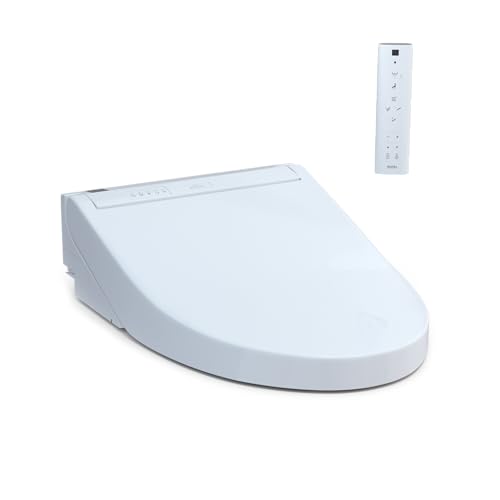
4. TOTO Washlet C5 (SW3084#01) — Best bidet seat upgrade
If your existing toilet is sound, the Washlet C5 adds smart features as a seat rather than a new fixture, which avoids rough-in work entirely. This elongated version fits elongated bowls and includes TOTO’s PREMIST, which mists the bowl before use, and EWATER+ cleaning for the wand after each use, so the nozzle rinses itself. The seat is heated, the wash offers adjustable water temperature and pressure with oscillating and pulsating modes, and a warm air dryer follows. A wireless remote controls everything, and the lid and seat are soft closing. You still need a GFCI outlet within reach of the cord, as the guide notes for all powered seats. Choose the C5 if you want a proven brand name, strong self-cleaning features and a straightforward install on the toilet you already own.
5. Bio Bidet BB-2000 Bliss — Best full-feature bidet seat value
The BB-2000 Bliss is the long-running alternative to the big Japanese brands, and it packs its feature list into a seat that fits elongated bowls. It provides warm water washing with a 3-in-1 nozzle for posterior, feminine and vortex wash modes, adjustable water pressure and temperature, a heated seat with a seat sensor, and a warm air dryer with several speed settings. A night light helps after dark, the lid closes slowly, and a wireless remote handles the controls, with settings that can be fine-tuned more than on most seats. Like every powered seat it needs a grounded outlet nearby, and it leaves your existing bowl and rough-in untouched. Pick the Bliss if you want the widest wash adjustment and dryer settings in a seat, without replacing the whole toilet or paying flagship brand prices.
View Bio Bidet BB-2000 Bliss on Amazon
What to Look For
| Factor | Why it matters | What to check |
|---|---|---|
| Type | One-piece units and add-on seats differ in cost of work and fit | Check whether it includes the bowl or fits your existing one |
| Rough-in size | The unit must match your floor drain position | Compare the stated rough-in distance with your bathroom |
| Bidet functions | Spray modes and water temperature vary | Look at nozzle options, adjustments and self-cleaning notes |
| Power and outlet | These units need an electrical connection near the toilet | Check the plug type and outlet requirements |
| Flush system | Affects water use and noise | Compare the stated flush volume and type |
| Controls | Remote, side panel or app controls change daily use | Check the control style described in the listing |
| Warranty | Shows how much the maker stands behind the unit | Read the warranty terms in the listing |
Setup and Care Tips
- Measure the rough-in distance and the space around the bowl before you order.
- Plan for a grounded outlet placed according to local rules.
- Let a qualified person handle the plumbing and electrical connection if you are unsure.
- Clean the bowl and nozzle with mild, non-abrasive products.
- Follow the maker’s guidance for filters and descaling.
Mistakes to Avoid
- Ordering before checking the rough-in size.
- Forgetting that a nearby outlet is needed.
- Choosing features you will never use.
- Overlooking the water supply and pressure notes.
- Skipping the warranty details in the listing.
One-Piece, Two-Piece and Seat-Only Options
Smart toilets range from full units with built-in electronics to seats that fit an existing bowl. The format affects cost, installation effort and how much of your bathroom you change.
- One-piece smart toilets: The bowl, tank and electronics form a single unit. They have a clean look and fewer joins to clean, but they are heavy and need a careful install.
- Two-piece smart toilets: A separate tank and bowl with smart features. Parts can be handled separately, which can help with narrow doors and stairs.
- Tankless designs: Draw water directly from the supply and often have a slim profile. They depend on water pressure, so check the maker’s requirements.
- Smart seats: Fit onto your current toilet and add warm seats, washing and other functions. They are simpler to install but need a power outlet nearby.
Start with the question of whether you want to replace the toilet or add features to it. If your current toilet is in good condition and the bowl shape suits a seat, a smart seat can deliver many of the comforts with less work. If you are renovating or replacing, a full unit may suit better. Check the maker’s description of what is included, and look at the weight of the unit if you plan to carry it up stairs.
Rough-In, Bowl Shape and Bathroom Fit
Measurements decide whether a toilet works in your room. The rough-in is the distance from the finished wall behind the toilet to the center of the drain. Many toilets are made for a common rough-in measurement, but older houses vary. Measure yours and compare it with the listing.
Other checks:
- Overall length and width: Make sure the unit leaves space for a door to swing and for legs to fit comfortably.
- Bowl shape: Round and elongated bowls differ. If you buy a seat, the shape must match your bowl.
- Height: Standard and taller seat heights suit different users. Check the listed height with the seat.
- Water supply position: The location of the shutoff valve needs to work with the unit’s connection.
- Outlet position: The power cord must reach a suitable outlet. Check the cord length.
Look at weight and delivery. A one-piece toilet is heavy, and you will want a helper. Check the width of doors and stairs on the route in.
Walk through the room in your mind, from the moment you open the door to the moment you use the toilet, and check for tight spots. A dry-fit of the packaging dimensions against the floor space is a simple way to catch problems before the unit arrives.
Features Worth Paying For
Smart toilets offer a long list of features, and some are more useful than others. Decide which ones matter to you before comparing models.
- Bidet washing: Adjustable water temperature, pressure and nozzle position. Check whether the nozzle has a cleaning function.
- Heated seat: Popular in cold bathrooms. Look for adjustable temperature settings.
- Warm air dryer: Dries after washing. Some users find it slow, so read the description.
- Automatic lid and flush: Sensors that open the lid or flush. Convenient, but they add parts that need power.
- Deodorizing: Some units include a fan and filter. Check filter replacement needs.
- Night light and remote controls: Nice extras, but check how the remote is powered and whether it can be replaced.
Be wary of paying for features you will not use. A simple unit with a few reliable functions can be a better fit than a feature-heavy model. Consider ease of use as well. A remote or panel with clear labels is easier for all household members, including guests and children.
Think about the water. A built-in heater can be a tank or on-demand design, and each has different warm-up and power characteristics. The listing should explain which type is used.
Power, Water Pressure and Ongoing Care
Smart toilets are electrical devices used near water, so installation matters. The unit needs a grounded outlet suited to bathrooms, and regional rules usually apply to bathroom outlets, so check local requirements or ask a qualified electrician. Do not use extension leads in a wet area unless the maker approves.
Water supply requirements vary. Some units need a minimum water pressure to flush or wash properly. Check the maker’s pressure range and the filter requirements, and ask a plumber if you are unsure about your pressure.
Plan for a power cut. Check how the toilet flushes without power, because some designs have a manual flush option and others do not. The listing or manual should say so.
For care, use mild, non-abrasive cleaners, and avoid harsh chemicals that can damage seals, nozzles and electronics. Clean the nozzle as the maker describes, and replace filters on the schedule they suggest. In hard water areas, descaling may be needed, and the manual will explain how.
Signs it is time to replace or service the unit include leaks, a heater that no longer works, persistent error codes and a nozzle that fails to extend. Check the warranty terms and what is covered before buying.
A Quick Checklist Before You Order a Smart Toilet
A smart toilet is a plumbing fixture and an electrical appliance in one, so there is more to confirm than with an ordinary toilet. Go through these points for any of the five models above before you commit.
- Measure the rough-in, which is the distance from the finished wall to the center of the drain, and compare it with the figure in the listing.
- Check the available space around the toilet, including width, depth and the swing of the bathroom door.
- Find out whether there is an electrical outlet nearby, and whether it is protected as your local code requires.
- Confirm that a cold water supply line with a shutoff valve is within reach.
- Decide between a one-piece unit, a two-piece unit and a seat that fits your existing bowl.
- Look at the bowl shape, round or elongated, and make sure the seat or unit matches.
- Think about who will carry the carton, since these units can be heavy and bulky.
A short list like this keeps the process orderly. If any answer is uncertain, pause before ordering and ask a licensed plumber or electrician to check the room.
Seat Upgrade or Full Unit: A Side-by-Side Look
Two of the products above are bidet seats that attach to a toilet you already own, while the others replace the toilet entirely. This table shows how the two approaches differ in general terms.
| Question | Bidet seat upgrade | Complete smart toilet |
|---|---|---|
| Plumbing work | Usually a water line adapter | May involve removing and resetting the toilet |
| Electrical need | Nearby outlet | Nearby outlet |
| Fit risk | Must match bowl shape and mounting holes | Must match rough-in and floor space |
| Look | Original bowl stays | Clean, built-in styling |
| Weight | Easier to handle | Heavy, often needs two people |
If you like your current toilet and the bowl shape matches, a seat is usually the simpler path. A full replacement is more sensible when the old toilet is worn or when you want a particular style.
A Short Glossary of Smart Toilet Terms
- Rough-in: the measurement from the wall to the center of the waste pipe.
- Tankless: a design that uses water directly from the supply line instead of a storage tank, so it relies on adequate pressure.
- Siphonic flush: a flushing action that pulls waste through the trap using the water in the bowl.
- Elongated and round bowl: two common shapes, with the elongated bowl being longer from front to back.
- Instant heating: warming water as needed rather than storing it in a small tank.
- Remote or sensor control: hands-free operation of the lid, seat or flush.
Listings sometimes use these words loosely. When a term matters to you, look for the exact specification in the product details or the manual.
How to Read the Listing Closely
Pay attention to the electrical details. Look for the voltage and the plug type, and confirm they match your home supply. Check the water pressure range stated by the maker, especially for tankless designs. If you do not know your pressure, a plumber or your water provider can help. Look for the dimensions of the carton as well as the product, so you know whether it will fit through your doorways and up your stairs.
Check what is in the box, such as a seat, a remote, a supply hose and a wax ring. Some items are sold separately. Photos often show accessories that are not included, so rely on the written list.
When to Follow the Manual and When to Hire a Professional
The maker installation guide is your first reference, and it covers anchoring, connecting the water supply and testing for leaks. Combining water and electricity in a bathroom calls for caution. Outlet protection, wiring and any new circuit should be handled by a licensed electrician in line with local code, and plumbing changes to the drain or supply are best left to a licensed plumber.
Keep the warranty paperwork and a photo of the serial plate. If you notice leaks, tripped breakers, unusual smells or error codes after installation, stop using the unit and contact the maker or a qualified technician.
Going Deeper: The Decisions That Shape Living With a smart toilet
The picks and guidance above cover what to buy. This section covers how to judge — the criteria experienced owners of a smart toilet weigh most heavily once the first impressions fade, and the ones that decide whether a purchase still feels right a year from now.
Fit and rough-in come before features
Measure the distance from the wall to the center of the floor drain, check the bowl shape your space can take, and confirm where a power outlet can safely sit before you fall in love with any feature list. A toilet that does not match the rough-in simply will not install, and an elongated bowl in a tight powder room can leave knees pressed against a door or vanity. Treat measurements as the first filter and features as the second.
Water supply and pressure
Smart models rely on a steady water supply for both flushing and bidet functions. Homes with noticeably weak pressure, older shut-off valves, or awkwardly placed supply lines may need small plumbing updates before installation day. Checking the valve type and hose length in advance prevents the common frustration of a half-finished install and an emergency hardware run.
Seat comfort and height
You will sit on this fixture every day, so seat height, bowl shape, and how the seat feels during a longer sit matter more than novelty features. Households with taller users, older relatives, or anyone with knee trouble usually appreciate a comfortable height and a stable, well-finished seat. If several people share the bathroom, choose the option that suits the least flexible user, not the most enthusiastic one.
Bidet functions you will actually use
Adjustable water temperature, pressure, nozzle position, and a self-cleaning nozzle are the functions most owners use daily. Air drying, deodorizing, and night lights are pleasant extras, but they should not distract from the basics working smoothly. Think about who will use the bidet and how much adjustment they need, because a single fixed setting rarely suits a whole household.
Controls and learning curve
A remote, a side knob, or app control each suit different households. Remotes offer the most adjustment but can be misplaced; simple knobs are intuitive for guests and older users. Consider who visits your bathroom: a control scheme that confuses guests will generate questions forever, so clarity beats cleverness for shared spaces.
Cleaning and maintenance access
Look at how easily the seat lifts, whether the nozzle retracts and self-cleans, and how the exterior surfaces wipe down. One-piece designs reduce the grime traps around a tank joint. Also think about filter or descaling routines the maker recommends, and whether replacement parts are easy to source, because a smart toilet is a long-term fixture, not a gadget you replace yearly.
Smart toilet in Real Life: Situations Worked Through
Specifications and feature lists become real only inside actual routines. Here is how the choice of a smart toilet plays out in the situations buyers describe most often — and which priorities rise to the top in each.
A shared family bathroom
In a busy family bathroom the priorities are durability, simple controls, and cleaning that does not become a project. Heated seats and warm water get used constantly in winter, while complicated app settings tend to be set once and forgotten. Choose the model whose everyday controls are obvious, and plan a weekly wipe-down routine so the sensors and nozzle area stay fresh for everyone.
A primary suite upgrade
For a primary bathroom the comfort extras earn their keep: a quiet soft-close seat, a gentle night light, and a dryer that actually reduces paper use. This is also the setting where a full one-piece unit looks best, since the bathroom is a retreat rather than a utility space. Take time with the control layout, because you will use it half-asleep more often than you expect.
Aging in place or limited mobility
Warm water washing, a comfortable seat height, and hands-free flushing can make daily routines easier and more dignified for someone with limited mobility or recovering from surgery. In this scenario, prioritize a stable seat, intuitive controls, and a remote that can be wall-mounted within easy reach. Discuss installation with a plumber who can also confirm grab-bar-friendly clearances around the fixture.
A small powder room
In a compact space, a tankless or compact design can free visual room, but only if the rough-in and outlet placement cooperate. Bidet seats on an existing toilet are often the smarter powder-room move: they add washing comfort without replacing a fixture that already fits. Measure twice here, because small rooms punish optimistic guessing more than any other space.
Step by Step: Getting the Most From Your Smart toilet
Whether this is your first smart toilet or a replacement for a worn-out favorite, the sequence below — setup, first use, and the habits that follow — is where good purchases become good ownership.
Confirm measurements and utilities
Verify the rough-in, bowl shape, water supply location, and a ground-fault protected outlet within reach of the unit’s cord. Do this before ordering, not after delivery.
Shut off and remove the old fixture if replacing
Close the water valve, flush to drain the tank, sponge out remaining water, and disconnect the supply line. For a seat-only upgrade, this whole step shrinks to removing the old seat bolts.
Set the new unit or seat in place
For a full toilet, seat the wax or silicone ring carefully and lower the bowl straight down without rocking it. For a bidet seat, align the mounting plate so the seat sits centered and does not shift when sat on.
Connect water with the included hardware
Attach the T-adapter and hoses hand-tight, then a small additional turn with a wrench. Open the valve slowly and inspect every joint for drips before moving on.
Power up and run the self-check
Plug in, let the unit complete its startup routine, and test flush, spray, temperature, and dryer functions one at a time. Adjust nozzle position and water temperature to a comfortable starting point.
Walk every user through the controls
Show each household member the basic wash, stop, and flush controls, and where the manual override is. Five minutes of orientation prevents most midnight confusion and accidental setting changes.
Care and Upkeep Over Time
Keep the exterior and seat clean with a soft cloth and a mild, non-abrasive cleaner; harsh powders and bleach-heavy sprays can dull finishes and damage seat plastics over time. The nozzle deserves specific attention: most models offer an extended-nozzle cleaning mode, and a gentle wipe keeps mineral deposits from affecting the spray pattern. In hard-water homes, expect to descale or replace inlet filters on the schedule the manual suggests, because mineral buildup is the quiet cause of many weak-spray complaints.
Once a month, check the hose connections behind the unit for slow drips, confirm the seat bolts are snug, and test the ground-fault outlet. If the bathroom will sit unused during a long trip, follow the maker’s guidance on draining or powering down the heated seat. Keeping the manual and the model number in the bathroom cabinet means any future plumber visit starts with the right information instead of guesswork.
Common Mistakes That Shorten the Honeymoon
Most disappointment with a smart toilet is not caused by the product at all, but by a handful of repeatable mistakes new owners make. Here are the ones worth avoiding from day one.
Buying features before measuring
The most expensive smart toilet mistake is falling for a feature list before confirming rough-in, bowl shape, and outlet placement. Measure first, shop second — the order is not negotiable.
Forgetting the outlet until installation day
Smart toilets need power, and discovering mid-install that the nearest outlet is across the room turns a morning project into an electrician’s invoice. Plan the outlet when you plan the purchase.
Choosing controls only the buyer understands
A bathroom serves guests and family too. Controls that need a tutorial create daily friction; simple, obvious operation is a feature, not a compromise.
Ignoring water pressure realities
Weak household pressure makes bidet performance disappointing through no fault of the toilet. Check your pressure honestly and choose accordingly, or fix the plumbing first.
Skipping the nozzle cleaning routine
Owners who never run the cleaning cycle end up blaming the toilet for weak, uneven spray that a monthly routine would have prevented entirely.
Troubleshooting: When Something Seems Off
Before assuming the worst — or booking help — work through the common problems below. Most smart toilet issues have ordinary causes and unglamorous fixes.
Problem: weak or uneven spray
Run the nozzle self-cleaning cycle, wipe the nozzle tip gently, and check the inlet filter for mineral buildup. In hard-water homes this trio restores most spray complaints without a service call.
Problem: the seat feels cold despite heating
Confirm the seat heating is enabled and not in an eco or timer mode that powers it down between uses. If settings are right and the seat stays cold, note when it happens — intermittent heating faults are exactly the detail support will ask for.
Problem: flushing seems weaker than at first
Check that the water supply valve is fully open and that no kink has developed in the supply hose after nearby plumbing work. If household pressure has dropped generally, the toilet is the messenger, not the culprit.
How the Options Compare — and How to Choose Between Them
The full one-piece models in the picks above suit buyers who want the integrated look and the complete feature set in a single fixture, while the bidet seats in the list suit renters, powder rooms, and anyone happy with their current bowl. Between the full units, the deciding questions are hands-free operation versus tankless styling; between the seats, it is how much adjustment and how many comfort extras you want. None of these routes is wrong — the right one is the one that matches your plumbing, your space, and how much installation work you are willing to take on.
Ownership, Month One Versus Year One
The first month with a new smart toilet teaches lessons no listing can: the feature you use daily is rarely the one that sold you, and the small friction you noticed on day two is the one that decides whether the product earns its place. This is why experienced buyers judge a smart toilet twice — once against the checklist before purchase, and once against their actual routine a few weeks later. If the second judgment fails, return windows and resale options matter more than pride. If it passes, you have bought well in the only sense that counts: the product fits the life it was bought for, not the life in the advertisement. Keep notes during that first month — what delighted, what annoyed, what you would check first next time — because those notes are the most personalized buying guide you will ever own, and they make the next purchase in this category dramatically easier to get right.
The Total Cost Nobody Lists
The purchase price of a smart toilet is only the entry fee. Ownership adds consumables, replacement wear parts, occasional professional help, storage, and the time cost of maintenance done properly — or the larger cost of maintenance skipped. None of this argues against buying; it argues for buying with open eyes. A slightly better-made smart toilet whose parts are available and whose upkeep is simple often costs less across five years than a cheaper one that fights its owner monthly. When you compare options, mentally add a year of realistic running costs and care time to each, and notice how the ranking shifts. The cheapest smart toilet is frequently the one you maintain without resentment, because maintained equipment lasts, and lasting equipment is where the savings actually live.
When Something Goes Wrong: A Calm Troubleshooting Order
Every smart toilet eventually misbehaves, and the order in which you investigate decides whether the fix is free or expensive. Start with the obvious and the external: power, connections, settings, fit, cleanliness — the causes that require no parts and no tools beyond your hands. Then consult the manual’s troubleshooting section, which exists because your problem has happened to thousands of owners before you. Only after those steps should you suspect component failure and start pricing repairs or replacements. Keep a simple log of symptoms and what fixed them; patterns in that log predict future issues and make any conversation with support or a repairer ten minutes shorter. Most importantly, stop using a smart toilet that behaves in a way that feels unsafe, however inconvenient the pause is — equipment can be replaced on a schedule that injuries cannot.
Buying for the Household, Not Just the Buyer
A smart toilet rarely serves one person. Partners, children, grandparents, guests, and helpers all interact with it, and the best purchase is the one the least confident user can operate safely and happily. That means controls that explain themselves, routines that can be taught in minutes, and documentation kept where the household actually looks. Before buying, walk through the product’s daily routine as each likely user — including the one who will never read the manual — and let their experience veto options that only work for enthusiasts. This household test also reveals hidden requirements: storage another person can manage, cleaning another person will actually do, and safety steps that survive being performed by a tired human at the end of a long day. Products that pass it become shared tools; products that fail it become one person’s burden and everyone’s complaint.
Seasonal Rhythms and Storage
Most smart toilets have a season — of heavy use, of storage, or of weather that tests them — and planning for that rhythm prevents the classic failures that happen at transitions. Before a storage season, clean and inspect the smart toilet, complete any pending maintenance, and store it in the conditions its materials prefer: dry, temperate, and protected from crushing, sunlight, or pests as appropriate. Before the busy season returns, reverse the ritual: retrieve it early, run a full function check, refresh consumables, and fix small issues while there is still time to order parts. Owners who keep this twice-a-year rhythm rarely face a dead product on the one day it is truly needed, and their equipment lasts noticeably longer than identical items owned by people who meet it again only in an emergency.
Passing It On: Resale, Hand-Me-Downs, and Honest Condition
A well-kept smart toilet often has a second life — sold, gifted, or handed down — and its condition at that moment is the final grade on your ownership. Keeping manuals, receipts, and spare parts together, maintaining the product on schedule, and being honest about wear when passing it on all protect the next owner and your own reputation. If you are on the receiving end of a used smart toilet, inspect it as this guide suggests: function first, wear points second, safety always, and price in the consumables and parts it will need immediately. Retire rather than pass on anything whose safety-critical parts are worn beyond honest repair. The secondhand market in smart toilets works beautifully when both sides treat condition as information rather than advertising.
The Upgrade Question: When Better Is Worth It
Sooner or later every owner of a smart toilet wonders about upgrading, and the honest trigger is a specific, recurring limitation — not a launch event. Write down the exact moments your current one fails you: the job it cannot do, the friction it repeats, the user it excludes. If the list is empty, your smart toilet is not outdated; it is sufficient, which is the best state equipment can be in. If the list is real, it becomes your shopping brief, and it will protect you from paying for improvements in areas you never struggled with while missing the one upgrade that matters. Sell or pass on the old one while it still serves someone well, and the upgrade costs less in every sense. Chasing novelty is expensive; answering a written list is shopping.
A Short Decision Worksheet Before You Buy
Reading guides is not the same as deciding. Work through the six prompts below — each distils one of the criteria above into a question about your own life with a smart toilet. Ten honest minutes here prevents most returns, exchanges, and quiet disappointments.
Fit and rough-in come before features
Before you commit, turn this into a question about your own situation and answer it in writing. If your answer is vague, that vagueness is the finding: it marks the point where a little more measuring, testing, or honest thinking will do more for your satisfaction than any further comparison of listings.
Water supply and pressure
Write your answer down rather than holding it in your head. Buyers consistently overestimate how well they remember their own requirements once the shopping begins, and a written answer from before the excitement started is the most trustworthy advice you will get during it.
Seat comfort and height
This is the criterion to test physically wherever you can — in a shop, with a tape measure, or by rehearsing the routine the product will join. Assumptions about it are cheap to make and expensive to live with, while a five-minute test now settles it permanently.
Bidet functions you will actually use
Discuss this one with anyone else who will live with the purchase. Requirements that seem obvious to the buyer often look different to the person who will clean, store, share, or rely on the same product, and their answer belongs in the decision before money moves.
Controls and learning curve
Rank this against the other criteria rather than judging it alone. Almost no smart toilet wins on everything; the right purchase is the one that wins on the criteria your life actually stresses, and accepts its compromises where your life is forgiving.
Cleaning and maintenance access
If you are torn between two options, let this criterion referee. Note how each candidate performs on it in your specific circumstances — not in the manufacturer’s scenario — and give the point to the one that serves your routine rather than your imagination.
FAQ
Do smart toilets need electricity?
Most do, for the heated seat, bidet and sensors. Check the listing to see how the unit behaves during a power cut.
Can I add smart features to my current toilet?
Often yes, with a smart seat or bidet seat that fits your bowl shape. Check the listed bowl size and shape before buying.
What is the rough-in measurement?
It is the distance from the finished wall behind the toilet to the center of the drain. Measure yours and compare it with the listing before ordering.
Does a smart toilet need a special outlet?
It needs a power outlet within reach, and bathroom outlets are usually subject to local rules. Ask a qualified electrician if you are unsure about your outlet.
Will a smart toilet flush during a power cut?
Some can be flushed manually and others cannot. Check the listing or manual to see how the unit behaves without power.
Is a smart seat a good alternative to a full smart toilet?
For many households it is. A smart seat adds comfort features to an existing toilet at lower effort, provided the bowl shape and the outlet location suit it.
How do I clean the bidet nozzle?
Many models have a self-clean mode or a way to extend the nozzle for wiping. Follow the maker's instructions and use mild cleaners.
Do smart toilets work in homes with low water pressure?
Some need a minimum pressure to work properly. Check the maker's stated range, and ask a plumber to check yours if you are not sure.
Can I install a smart toilet myself?
Some people do, but the job involves plumbing, a heavy unit and electrical safety. Use a qualified professional if you have any doubt.
How long does a smart toilet installation usually take?
A confident DIYer replacing a standard toilet often needs a couple of hours including removing the old fixture, while a bidet seat swap can take well under an hour. First-time installs run longer, mostly at the measuring and water-connection steps. Hiring a plumber shortens the day and is worth it if the shut-off valve is corroded or the outlet needs adding.
Do I need to change my plumbing for a bidet seat?
Usually not. Most bidet seats connect to the existing supply line with a T-adapter included in the box, and they fit standard elongated or round bowls depending on the version you choose. The real prerequisite is an electrical outlet near the toilet, since the heating and controls run on power.
What happens to the heated seat in summer?
Seat heating can be turned down or off entirely on most models, and many owners do exactly that in warm months. The bidet functions keep working independently, so you lose nothing by disabling the heat until the weather turns again.
Can children use a smart toilet safely?
Yes, with supervision at first. The controls are simple enough for older children, and some models include a child mode with gentler pressure. Show them the stop button first, set a moderate water temperature, and treat the remote as a bathroom fixture rather than a toy.
Why does the spray feel weaker than it used to?
Mineral deposits on the nozzle or a clogging inlet filter are the usual causes, especially in hard-water areas. Run the nozzle cleaning cycle, wipe the nozzle tip gently, and check the filter against the manual’s schedule. If pressure is low across the whole house, the toilet is reporting a plumbing issue rather than causing one.
Is a night light actually useful?
More than most people expect. A soft bowl light lets you use the bathroom at night without switching on the main light and fully waking yourself or a partner. It is a small feature, but owners consistently rank it among the ones they would not give up.
Should I turn the unit off when I travel?
For short trips, most owners simply leave everything as it is. For longer absences, powering down the heated seat saves energy, and closing the water valve is cheap insurance against any slow leak while the house is empty. Check your manual for any vacation or drain mode it recommends.
What is the difference between a remote and a side control panel?
A remote offers more settings and can be wall-mounted where it suits your reach, but it can also be dropped or misplaced. A fixed side panel is always there and simpler for guests, with fewer adjustments. Households with children or frequent guests often prefer the panel; enthusiasts prefer the remote.
The Short Version
The right smart toilet fits your bathroom and offers features you will actually use. Check rough-in size, power needs and controls, read the warranty, and choose the model that fits your space.
Related Guides
- How to Choose the Best Macerating Toilets: Buyer's Guide (2026)
- How to Choose the Best Composting Toilets: Buyer's Guide (2026)
- How to Choose the Best One Piece Toilets: Buyer's Guide (2026)
- How to Choose the Best Toilets: Buyer's Guide (2026)
- How to Choose the Best Wall Hung Toilets: Buyer's Guide (2026)


