Disclosure: As an Amazon Associate, airfryerkitchensupply.com earns from qualifying purchases. Links on this page are affiliate links; they cost you nothing extra. Prices and availability change often, so check the current Amazon listing before you buy.
So, is a wine glass set worth it for an ordinary home, once the romance is stripped away? The short answer to is a wine glass set worth it is yes, if wine is a regular part of your table and you buy the honest middle tier from a range you can top up; and no, if the set would be delicate, rarely used, or impossible to keep complete. The rest of this piece earns that answer: what you actually get, what it really costs beyond money, the households it pays off for, and a checklist to settle it for yours.
Key Takeaways
- Worth it if: wine is weekly, your table is regular, and you will give glasses ordinary care.
- Not worth it if: the set would live in a box, or breakage could not be replaced.
- The value is spread across every bottle you pour, not concentrated in special ones.
- Real costs are sink time, shelf space and replacement discipline, not just the purchase.
- A sturdy mid-tier set is worth it for far more households than premium crystal is.
In this guide
Is a Wine Glass Set Worth It? The Short Answer in Full
Worth it if you drink wine with food most weeks, host a recognisable group of people, and are willing to wash glasses with basic care and retire a chipped one without argument. Not worth it if your wine drinking is rare, your cupboard and dishwasher reality would punish anything delicate, or your budget only stretches to a set you could not afford to keep complete. Between those poles sits the most common case, the household that drinks sometimes and hosts occasionally, and for them the answer is a qualified yes at the sturdy end: a plain or mid-tier set, bought with spares, pays for itself in coherence and pleasure long before a premium set would. The question is never really about glass. It is about frequency, and frequency is something you can count honestly before spending anything.
What You Actually Get
You get a table that looks and feels considered every time you set it, without effort or apology. You get a rim and a balance that make every pour, including the inexpensive weeknight bottle, a little more comfortable. You get a bowl shape suited to what you drink, giving wine air and aroma room at no per-bottle cost. You get a system: one shape to wash, store and replace, which keeps the whole thing complete for years. And you get a small, repeatable pleasure that owners consistently underestimate beforehand, because it arrives in dozens of tiny moments rather than one dramatic reveal. What you do not get is a transformation of the wine itself. A set improves the conditions of drinking modestly and constantly; it does not upgrade what is in the bottle, and any claim that it does should lower, not raise, your willingness to pay.
The Real Costs Beyond Money
Space comes first: stemmed sets need shelf height and breathing room, and a small kitchen pays that cost daily. Time comes second: careful washing, rinsing and drying, multiplied by every dinner, or the slower cost of clouded glass if the dishwasher does the work harshly. Attention comes third: rims to inspect, spares to keep, a range name to remember, a chipped glass to retire promptly rather than quietly keep. There is also a learning cost, small but real, in habits like holding the stem, pouring to a third of the bowl and rinsing glasses the same evening. None of these costs is large. Together they are the actual price of the thing, and a household that has counted them and still wants the set will be happy with it, while a household ambushed by them will not, whatever the glasses cost.
Who It Pays Off For
The weekly wine-with-dinner household
Frequency makes the maths easy. A set touched several times a week spreads its cost across hundreds of pours, and the care routine becomes habit within a month. For this household the answer is yes at the mid tier, and the only real mistake available is buying so delicate a set that daily use feels anxious.
The regular host
Hosting multiplies the coherence benefit, because the matching table is produced for other people, repeatedly. It also multiplies the breakage exposure, which is why this household should buy spares at the start and treat the buffer as part of the set’s real size. With that done, yes, clearly worth it.
The learner and taster
If you are actively learning what you like, consistent glass removes a variable: the same shape, cleanly washed, lets differences between bottles show themselves. That educational value is genuine and underrated, and it can justify a finer universal glass sooner than pure entertaining logic would.
Who Should Skip It
The rare drinker
If wine appears a few times a year, a set will spend its life stored, dusty and in the way, and will need washing before and after every rare appearance. A few good individual glasses, or borrowing the occasion, serves this life better.
The zero-maintenance household
If every object in the kitchen must survive the dishwasher, the counter and cheerful neglect, glassware at any finesse will decline quickly and feel like a bad purchase. Sturdy stemless glass is the partial exception; delicate sets are simply a mismatch, and skipping them is the correct, money-saving answer.
The household mid-upheaval
New baby, imminent move, renovation, tiny temporary kitchen: these seasons punish fragile, space-hungry purchases. Postpone the considered set, drink happily from what you have, and buy properly when the shelf and the sink that the set must live with actually exist.
Strengths and Trade-Offs of Owning a Set
Strengths
- Pleasure and coherence delivered at every pour, including inexpensive bottles.
- A one-time purchase whose value is not consumed bottle by bottle.
- A system that can be kept complete for years with spares and a continuing range.
Trade-Offs
- Recurring care in washing, drying, storage and rim checks.
- Breakage is certain eventually; only its cost is in your control.
- The benefit depends entirely on frequency of use, which no seller can know for you.
Alternatives to Consider
Consider sturdy stemless glasses as the low-commitment version of the same idea, keeping most of the coherence with far less fragility. Consider a small number of good universal stemmed glasses rather than a full set, if your table is usually two. Consider postponing and using the money on the wine itself for a season, then judging, with real frequency data from your own life, whether glassware is your bottleneck at all.
Gabriel-Glas StandArt Wine Glasses
Best for: drinkers whose habits match its strengths. Not suited for: anyone whose priorities point the other way. Tier: premium. In prose terms, this is the universal-glass idea taken seriously, with one carefully shaped bowl intended to handle reds, whites and sparkling wine alike, which appeals if you would rather own fewer, better glasses than a cupboard of specialists. Judge it the way you should judge every pick in this cluster: by the rim finish first, then balance in the hand, then whether the bowl shape suits the wines you actually pour, and finally by how easily you can replace a glass when, not if, one breaks.
Strengths and trade-offs, in brief: on the strength side, expect a coherent shape, a rim that does not fight the wine, and a set that can be set at a full table without apology. On the trade-off side, expect the usual glassware realities: care at the sink, space in the cupboard, and the need to retire any glass the moment its rim chips. Those trade-offs are not hidden flaws in this pick; they are the terms on which all real glass operates, and a pick that suits you is one whose particular balance of them matches your household.
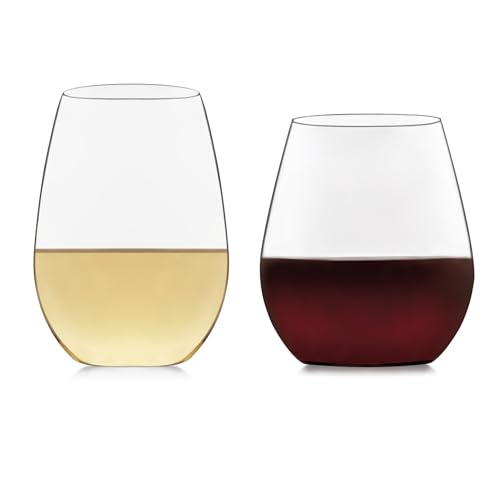
Libbey Signature Wine Glasses
Best for: drinkers whose habits match its strengths. Not suited for: anyone whose priorities point the other way. Tier: entry. In prose terms, this is the practical everyday choice from a maker with deep roots in glassware, offering clear glass, comfortable proportions and the kind of easy replacement availability that matters when a household glass inevitably breaks. Judge it the way you should judge every pick in this cluster: by the rim finish first, then balance in the hand, then whether the bowl shape suits the wines you actually pour, and finally by how easily you can replace a glass when, not if, one breaks.
Strengths and trade-offs, in brief: on the strength side, expect a coherent shape, a rim that does not fight the wine, and a set that can be set at a full table without apology. On the trade-off side, expect the usual glassware realities: care at the sink, space in the cupboard, and the need to retire any glass the moment its rim chips. Those trade-offs are not hidden flaws in this pick; they are the terms on which all real glass operates, and a pick that suits you is one whose particular balance of them matches your household.

Luigi Bormioli Supremo Wine Glasses
Best for: drinkers whose habits match its strengths. Not suited for: anyone whose priorities point the other way. Tier: mid. In prose terms, this is the Italian-made middle path, with elegant pulled-stem construction and refined bowls that feel like a step up from basic glass without asking you to handle them like museum pieces. Judge it the way you should judge every pick in this cluster: by the rim finish first, then balance in the hand, then whether the bowl shape suits the wines you actually pour, and finally by how easily you can replace a glass when, not if, one breaks.
Strengths and trade-offs, in brief: on the strength side, expect a coherent shape, a rim that does not fight the wine, and a set that can be set at a full table without apology. On the trade-off side, expect the usual glassware realities: care at the sink, space in the cupboard, and the need to retire any glass the moment its rim chips. Those trade-offs are not hidden flaws in this pick; they are the terms on which all real glass operates, and a pick that suits you is one whose particular balance of them matches your household.
How to Get the Most Value If You Buy
Use the set constantly rather than saving it for best, because value in this category is frequency in disguise. Keep it complete: spares bought early, replacements ordered when a glass breaks, not months later. Keep it clear: gentle washing, thorough rinsing, proper drying, upright spaced storage. Serve wine at sensible temperatures and modest pours so the glasses are showing the wine at its best. And retire chipped glasses immediately; a set kept safe and complete stays worth it, while a set with a dangerous rim in circulation is a liability wearing a tablecloth.
The Decision Checklist
Answer yes or no, honestly: Do you drink wine at home at least most weeks? Do you host, or set a deliberate table, at least monthly? Can your shelves fit stemmed glasses, or have you chosen stemless deliberately? Will someone wash these glasses with basic care, most times? Can you buy spares now and replacements later from a continuing range? Will you retire a chipped glass without keeping it in service? Five or more yes answers: buy, at the tier your care supports. Three or four: buy sturdy and small. Fewer: skip it for now, and revisit when your frequency changes.
Stemmed or stemless, without the snobbery
A stem exists for practical reasons, not ceremony. Holding a stem keeps your hand off the bowl, so the wine stays closer to the temperature you poured it at, and it keeps fingerprints off the glass so you can actually see the wine. The costs are real too: stemmed glasses tip more easily, take more cupboard height, and are awkward in many dishwashers. Stemless glasses solve those problems. They sit stably on crowded tables, fit low shelves and dishwasher racks, travel better to picnics and gardens, and feel relaxed for casual drinking. Their trade-off is warming: a hand wrapped around a bowl will warm a chilled white noticeably over a long drink, and the bowl picks up prints. A sensible household answer is often both, in time: stemmed for the table and for wines you care about, stemless for outdoors, large gatherings and everyday pouring where convenience wins.
Balance and weight in the hand
Pick a glass up, if you can, or read owner experience carefully if you cannot. A good wine glass feels balanced rather than top-heavy: the bowl, stem and foot work together so the glass sits steadily, swirls without fighting you and does not feel as if one good knock will send it over. Very light glasses can feel exquisite and also fragile; heavier glasses can feel reassuring and also clumsy, especially with a thick base that makes the last sip awkward. There is a middle ground most households end up preferring, where the glass disappears a little and attention stays on the wine and the people. Pay attention to the foot as well. A foot that is too small for the bowl makes tipping more likely, and a foot with a rough or uneven edge will rock on the table and scratch surfaces. Small physical details like these decide whether a set gets used nightly or quietly avoided.
Storage that prevents the slow losses
Glasses usually die in cupboards, not at dinner. Store them upright on their feet rather than on their rims, because the rim is the thinnest, most vulnerable part of the glass and should not carry its weight. Leave a little space between glasses so bowls and rims do not knock when you reach past them, and avoid stacking stemware unless the design explicitly allows it. Deep, crowded shelves where glasses must be dragged past each other are a breakage machine. If space is tight, a stemware rack that hangs glasses by the foot can help, provided it is firmly fixed and the glasses hang clear of each other. Keep everyday glasses at an easy height rather than on a top shelf reached on tiptoe with wet hands. And keep the box, if you have room: for a move, a party overflow or long storage, the original dividers are still the safest home a spare glass can have.
Breakage, spares and the honest cost of ownership
Every wine glass set, at every level, eventually loses a glass. Planning for that moment is part of buying well. Favour ranges that stay in production, buy a couple more glasses than your minimum if the set is central to your entertaining, and keep the exact range name noted somewhere so a replacement search years later starts from fact rather than memory. When a glass chips, retire it immediately rather than demoting it to water duty, for the cut and hygiene reasons already covered. When a stem snaps cleanly, the remaining bowl is not a candle holder project worth a cut hand; recycle it and move on. This realism slightly favours plainer, continuing ranges for busy households, and it reframes value: a moderately priced set you can top up for years can serve you better than an exquisite discontinued set that becomes unusable as a matching table once two glasses are gone.
Red wine glasses and the large-bowl question
Large red bowls look impressive and can genuinely help a young, tannic red by giving it air and room. They also come with costs that rarely appear in marketing: they take far more cupboard and dishwasher space, they encourage over-pouring because a sensible measure looks lost in them, they are more top-heavy and more expensive to replace, and a household set of very large glasses can dominate a small table. For most mixed drinking, a medium-large bowl is the sweet spot, giving reds enough room without turning every pour into an event. Reserve the truly oversized bowl for drinkers who know they love it and who mostly drink the styles that benefit. If you are choosing one set to do everything, versatility beats drama, and a glass that suits Tuesday’s simple red and Saturday’s white equally will be reached for far more often.
Guests, confidence and the social side of a set
A matching set does quiet social work. It lets you set a table without apologising for a patchwork of promotional glasses, freebies and survivors of older sets, and it makes a simple meal feel considered. That is not vanity; hospitality is partly the removal of small distractions, and mismatched, chipped or cloudy glassware is a distraction. At the same time, do not let set anxiety stop you pouring. Guests remember warmth, food and conversation, not whether the white was in the theoretically ideal bowl. The practical goal is a set that is complete enough for your usual number of guests, stored where you can reach it calmly, and inexpensive enough to replace that a breakage during a party is a shrug and a dustpan, not a ruined evening. Choose the level where you can be generous with your glasses, literally, and you have chosen well.
Children, pets, parties and other real life
Real households include elbows, dogs, children reaching across tables and parties that move from kitchen to garden. Stemless glasses, shorter glasses and tougher plain glass all earn their place in that reality, and there is no failure in choosing them for the seasons of life when breakage would otherwise be constant. Consider keeping two tiers if budget and space allow over time: a sturdier everyday set that nobody has to tiptoe around, and the better set for seated dinners. If only one set is possible, choose for the life you have now, not the dinner parties you imagine in five years. A glass on a low table within tail height will be knocked; a glass carried through a crowded room by its bowl will be dropped eventually. Designing around that, with stable shapes and spares, is not lowering your standards. It is what makes a set survive long enough to become familiar.
The pour, the toast and small courtesies
A few serving habits make any set perform better. Pour still wine to the widest part of the bowl at most, and usually less, so the drinker can swirl without risk. Pour sparkling wine slowly, in two stages if it foams, into a clean dry glass. Offer water alongside wine at the table, in separate glasses, so wine glasses are not pressed into double duty and palates stay fresh. When toasting, a gentle touch of bowls rather than rims reduces chipping risk, since rims are the fragile edge. Set glasses down on coasters or table surfaces rather than on plates or boards where they can slide. At the end of the evening, empty and rinse glasses even if full washing waits until morning, because dried wine and overnight soaking in soapy water both make tomorrow’s job harder. Small courtesies like these are the difference between a set that ages gracefully and one that slowly degrades.
One more check before you decide
Before you commit, run one final pass over the unglamorous details. Measure your cupboard shelf height against a stemmed glass, look honestly at your dishwasher rack, count your usual table, and decide who in the household will actually wash these glasses and how. A set that fits the shelf, survives the wash and covers the table will be loved; a theoretically finer set that fails any one of those tests will slowly be worked around and then replaced. Write down the range name, keep a spare or two in mind, and remember that retiring a chipped glass promptly is part of ownership, not an admission of failure. Good glassware is not precious. It is equipment for paying attention to what you drink, in company you enjoy, and the best set is the one still complete, clear and in regular use a year from now.
Putting it into practice this week
You do not need to wait for a special occasion to test a new set properly. Pour the same familiar wine into the new glass and, if you still have one, an old glass, and notice the rim, the aroma and how the glass feels over a whole meal rather than a single sip. Notice whether you reach for it the next evening without thinking. That reach test, repeated over a week of ordinary dinners, tells you more than any first impression at the shop. Wash the glasses the way you will really wash them, store them where they will really live, and set a full table once to check counts and spacing. If the set passes ordinary life, it will handle occasions. If it only shines on its first evening, you have learned something worth knowing while returns are still simple.
Why the rim deserves more attention than the bowl
The rim is where the glass actually meets you, and it changes the experience more than most buyers expect. A thin, smooth, laser-cut style rim lets wine flow cleanly onto the palate, while a thick rolled rim interrupts that flow and reminds you, with every sip, that you are drinking from something built for toughness first. Neither is automatically right. A household that drinks wine with weeknight pasta may value the rolled rim and its forgiveness, while a household that opens a special bottle on a Saturday may want the finer edge. What is not negotiable is condition. A chipped rim means the glass should be retired at once, because a chip can cut a lip and the tiny cracks around it can harbour bacteria that washing cannot reliably reach. Run a fingertip lightly around rims when you unpack a set and again every few months, and treat any catch or roughness as the end of that glass, not as a cosmetic flaw to live with.
Crystal, crystal glass and plain glass, honestly explained
Shoppers meet three overlapping terms and a lot of mystique. Plain soda-lime glass is the workhorse material: clear enough, tough, inexpensive to replace and completely adequate for most drinking. Crystal glass, in modern production, usually means glass formulated for extra brilliance and a thinner, finer feel, often made without lead in contemporary ranges. Traditional lead crystal is the older formulation, prized for sparkle and weight, and it deserves a principle-level caution rather than alarm: do not store wine or spirits in a lead crystal decanter for long periods, wash pieces by hand, and treat very old or heirloom lead crystal as occasional tableware rather than an everyday drinking vessel, especially for children and during pregnancy. Beyond that principle, avoid invented figures and dramatic claims. For a new everyday set, modern lead-free crystal glass or good plain glass removes the question entirely, which is one reason so many current ranges have moved that way.
What bowl shape can and cannot do
Bowl shape matters, but modestly, and honest guidance should say so. A wider bowl gives red wine more surface contact with air and more room to swirl, which can help a young, tight wine open up in the glass. A narrower bowl keeps a white wine cooler-feeling and directs its aroma more tightly, and a tall, slim bowl helps sparkling wine hold its bubbles and show them rising. Those are real, physical effects. What shape cannot do is rescue a poor wine, transform a good wine into a great one, or replace serving temperature and a decent pour. If a seller claims one proprietary curve will change everything you drink, be sceptical. The practical takeaway is simpler: choose a medium, versatile bowl for mixed drinking, add a larger red bowl only if reds dominate your table, and remember that a clean glass at the right temperature beats a theoretically perfect bowl that is dusty, soapy or warm from the dishwasher.
How many glasses a household actually needs
Count drinkers and occasions, not aspirations. A couple who drink wine together most evenings need enough glasses for tonight, tomorrow while tonight’s are drying, and a spare for the breakage that will eventually happen. A household that hosts six for dinner needs at least six matching glasses that can appear together, plus a couple of spares, because a set that drops below the size of your usual table stops being a set in any useful sense. This is a quiet argument for buying from an open, continuing range rather than a discontinued bargain: being able to replace two glasses next year, in the same shape, protects the whole purchase. It is also an argument against buying the largest box by default. Extra glasses you never use still need washing, storage and cupboard space, and they crowd the glasses you reach for daily. Buy for your real table, with a modest buffer.
Washing wine glasses without ruining them
Most wine glass damage happens at the sink, not the table. Wash glasses separately from heavy pans and cutlery, in warm rather than very hot water, with a small amount of mild detergent and a soft sponge or cloth. Hold the bowl, never twist by the stem or foot, because torque at the join is how stems snap. Rinse well: detergent residue is a common, invisible cause of flat aroma and dull sparkle, and a glass that smells of the cupboard or the wash will pass that smell straight to the wine. Dry with a clean, lint-free cloth while the glass is still warm, polishing gently, or leave glasses to air-dry upside down on a clean towel if handling feels risky. If you use a dishwasher, only do so when the maker allows it, load glasses securely on the top rack away from contact, choose a gentle cycle, and accept that repeated machine washing can gradually cloud glass over time.
Serving temperature does quiet, real work
A set of glasses cannot fix a wine served at the wrong temperature, and this is where many tastings quietly go wrong. Whites served straight from the coldest part of the fridge can taste muted and tight; a few minutes on the counter lets aroma return. Reds served at a warm room temperature can taste flabby and alcoholic; a short rest in a cooler spot, or even a brief chill, tightens them up. You do not need gadgets or precision to benefit, just awareness that temperature changes what you perceive as much as glass shape does. Pour modestly, roughly a third of the bowl, so there is room to swirl and the wine is not warming in a full glass while you eat. Refill little and often rather than pouring large measures that sit. These small habits, repeated, do more for ordinary enjoyment than upgrading glassware twice.
Swirling, sniffing and other habits worth keeping simple
Swirling is not theatre. A gentle swirl coats the inside of the bowl and releases aroma, which is most of what we call flavour. Keep the base of the glass on the table and move it in small circles if you are new to it; that one trick prevents most spills. Smell before you sip, briefly, and notice whether the glass itself smells neutral. A musty cupboard smell, a detergent trace or a cloth that was not clean will all appear in the wine, and blaming the bottle for a dirty glass is a common mistake. Hold the stem when you remember, set the glass down between sips rather than cradling it, and rinse glasses with a little water between very different wines if you are tasting several. None of this needs to become ritual. The point of a good set is that these small things become easy enough to forget about.
Glasses for sparkling wine, without a second mortgage
Sparkling wine shows the bowl-shape debate at its clearest. A tall, narrow flute shows bubbles beautifully and keeps them lively, but its small opening gives aroma nowhere to go. A wider tulip or a standard white wine bowl shows fewer theatrical bubbles yet lets you actually smell the wine, which many drinkers now prefer. The honest answer is that a good all-purpose or white wine glass serves sparkling wine very respectably, and a dedicated set of flutes is a nice extra rather than a necessity. If you open sparkling wine weekly, a tulip shape is the thoughtful compromise. If you open it twice a year for toasts, pour it into the glasses you already own and spend your attention on keeping the bottle properly cold. What matters most is a clean, dry, residue-free glass, because detergent film kills bubbles faster than bowl shape ever will.
What a set should include, and what is marketing
A useful set covers the drinking you actually do with matching glasses in a sensible count. A set padded with shapes you will never use, novelty glasses or accessories of thin quality is not better value; it is cupboard clutter bought at a discount. Read set descriptions carefully for the count of the main glass, not just the total piece count, and for whether every piece is the same material and finish. Matching matters at a set table in a way it does not for a single glass by the sink. Also check whether the set is one shape repeated or a mix of red and white shapes, and decide which suits your habits before buying rather than after. Mixed sets suit households that pour both regularly; a single universal shape suits smaller cupboards, mixed groups and anyone who values being able to set any table from one shelf.
Everyday drinking versus occasion drinking
Many households really have two kinds of wine drinking: the ordinary glass with dinner, and the occasion bottle where everyone pays attention. One set can cover both if it is chosen in the honest middle: fine enough at the rim to respect a good bottle, tough enough in the bowl to survive a Tuesday. Problems start at the extremes. A set bought only for occasions may be so delicate it lives in its box, feared rather than used. A set bought only for toughness may feel so coarse that a special bottle deserves better. Naming which kind of drinking dominates your home is the single most clarifying step in this whole category. If occasions dominate, weight your choice toward finesse and hand-washing tolerance. If everyday drinking dominates, weight it toward replacement cost, dishwasher reality and a rim that is pleasant rather than perfect, and let the special bottle be served in the same honest glasses.
Cloudiness, spots and bringing glass back
Cloudy glass usually has one of two causes. Soft white film that wipes or rinses away is mineral deposit from hard water or detergent build-up, and a soak in warm water with a little white vinegar, followed by a gentle wash and thorough rinse, often restores clarity. Permanent cloudiness that does not shift is usually etching, tiny surface damage from repeated hot, harsh dishwasher cycles, and that does not polish out. Prevention is the real cure: gentler cycles, less detergent, glasses loaded so they do not touch, and hand-washing for the glasses you care most about. Water spots are simpler: dry glasses while warm with a lint-free cloth rather than leaving hard water to evaporate on them. None of this requires special products, just the recognition that glass is a surface that records how it has been treated, and that a set cared for steadily will still look clear years in.
Reading product descriptions like a sceptic
Product pages for glassware are full of soft language: unbreakable, forever clear, sommelier approved, taste enhancing. Translate each claim into something checkable. Unbreakable usually means more resistant, not immune, and no glass survives a fall onto stone reliably. Taste enhancing usually refers to bowl shape and rim finish, which matter modestly, as covered above. Look instead for the material stated plainly, whether the maker allows dishwashing, the count and shape of the glasses, the rim style, and whether the range is sold open-stock so you can replace pieces. Be wary of invented technical figures, miracle coatings and health claims attached to ordinary glass. A maker who states the basics clearly and sells replacements openly is telling you something good about the whole purchase. Keep your receipt or a note of the range name, and photograph the box label if storage space means the box itself has to go.
When a Wine Glass Set Earns Its Place: The Long-Term Ownership Test
Whether a wine glass set is worth it is rarely decided on the day it arrives. The answer builds over months of small moments: the days it quietly does its job, the days it frustrates, and the day you realise you would replace it without hesitation, or would not. This section works through that longer test in practical terms.
The value case for a wine glass set rests on repetition. It exists for serving wine with glasses matched to the occasion, so multiply a small daily convenience by the number of times your household actually does that job in a year, and the purchase usually justifies itself on arithmetic alone. The case collapses just as quickly for households where the job is monthly or seasonal, because an excellent tool used rarely is still mostly storage.
Running costs here are mostly attention. Ownership asks that you accept washing carefully by hand or on a gentle cycle and polishing to prevent water spots, and accept the occasional frustration when chips on rims and snapped stems, which are the two failure points that end a set gradually. Households that treat that upkeep as part of the routine report the wine glass set as an easy yes years later; households that resent every minute of maintenance experience the same product as a burden, which is why identical items earn opposite verdicts in different homes.
So run the replacement test. Imagine the wine glass set vanished tomorrow: would you reorder the same thing within the month, borrow one in the meantime, or quietly enjoy the cleared space? Add the edge case, a dinner party where every glass is in use at once, which reveals whether you bought enough, and ask whether it handled yours well enough to matter. If you would replace it quickly and it passed your hardest regular test, it was worth it by the only definition that counts, your own revealed behaviour.
A Final Decision Checklist
- Count the weekly uses honestly, since value here comes from serving wine with glasses matched to the occasion repeated, not occasional.
- Subtract the attention cost, because washing carefully by hand or on a gentle cycle and polishing to prevent water spots is part of the price you pay forever.
- Forgive rare frustrations, but not weekly ones, and the recurring one is chips on rims and snapped stems, which are the two failure points that end a set gradually.
- Ask the replacement question: if it vanished, would you reorder before the month ends.
- Check it still fits your life as routines change, since how many glasses you need for your largest typical gathering, plus spares for breakages.
- Test the moment that justifies ownership, because a dinner party where every glass is in use at once, which reveals whether you bought enough.
- Keep packaging and paperwork until the first full week, while the decision is still reversible.
- Photograph the setup once it works well, a small record of the version you would replace like for like.
- Track for a month whether every included part against the listing description on arrival day, while an exchange is still painless.
- Notice how often the edge case on a quiet day first, since a dinner party where every glass is in use at once is a poor thing to meet unprepared.
- Count the weeks when the second year in advance: replaceable parts and a serviceable design matter more than launch-day shine.
Frequently Asked Questions
How many wine glasses should a set include?
Enough for your usual table plus spares. Count the most people you regularly seat, add at least two for breakage and for glasses still drying from yesterday, and favour a continuing range so the count can be restored later. A larger box is not automatically better: unused glasses still need washing, storage and shelf space. For most households, a complete set for their real table, topped up over time, beats an oversized set bought once and slowly lost to chips without any way to replace matching pieces.
Should I choose stemmed or stemless wine glasses?
Choose stemmed glasses if you mostly drink seated at a table, care about keeping white wine cool and like seeing the wine without fingerprints on the bowl. Choose stemless if your drinking is casual, outdoors, crowded or short on cupboard and dishwasher space, accepting that a hand on the bowl warms the wine over a long drink. Many households end up with stemmed glasses for dinners and stemless for everyday and garden use. Neither choice is more correct; they solve different problems, and the honest answer depends on where and how you actually drink.
Is crystal better than regular glass for wine?
Crystal glass usually offers extra brilliance, a finer rim and a more delicate feel, while plain glass offers toughness and easy replacement. In the glass, with the same wine at the same temperature, the difference is real but modest, and a clean plain glass will outperform a dusty crystal one every time. Modern crystal glass is commonly made without lead. With older lead crystal, follow a simple principle: enjoy it occasionally, wash it by hand and never store wine in a lead crystal decanter for long periods. For a new everyday set, either material can be the right call.
What should I do if a wine glass chips?
Retire it immediately. A chipped rim can cut a lip, and the fine cracks around a chip can harbour bacteria that normal washing cannot reliably reach, so a chipped glass is not a spare for water or a candle holder in waiting. Wrap it safely and recycle or dispose of it according to local rules for broken glass. This is also why buying from a continuing, open-stock range matters: a chip should cost you one replaceable glass, not the usefulness of the whole matching set at your next dinner party.
Can wine glasses go in the dishwasher?
Some can, on the maker’s terms: top rack, loaded so glasses cannot knock together, on a gentle cycle with modest detergent. Even then, repeated machine washing can gradually cloud glass and the rack is where many stems are lost. Delicate crystal, decorated glass and anything with a gold rim belong at the sink. Whichever route you choose, hold the bowl rather than the stem when handling, rinse detergent away thoroughly because residue flattens aroma and kills sparkling wine bubbles, and dry with a clean lint-free cloth while the glass is warm for the clearest finish.
Does bowl shape really change how wine tastes?
Modestly, yes, and not magically. A wider bowl gives red wine air and swirling room, a narrower bowl keeps whites focused and sparkling wine lively, and a thin rim delivers wine more cleanly than a thick rolled one. Shape cannot rescue a poor wine or replace correct serving temperature, a clean glass and a sensible pour of about a third of the bowl. If you drink a mix of styles, one medium, slightly tapered universal bowl will serve nearly everything well. Add specialist shapes only for the style you pour most and genuinely enjoy comparing.
Related Guides and Next Reads
- read our companion piece on wine glass set review
- read our companion piece on wine glass set reviews
- read our companion piece on wine glass set buying guide
- see the earlier glassware set guide on glassware set review
- see the earlier glassware set guide on glassware set buying guide
- see the earlier glassware set guide on how to choose a glassware set
- explore best martini glasses
- explore best highball glasses
- explore best wine fridges
- explore best countertop dishwashers with glassware cycles
Those related reads round out the picture: the companion pieces in this cluster approach the same glasses from different angles, the earlier glassware set cluster covers the wider table, and the live guides above cover the decanters, aerators, openers and storage that tend to be bought alongside a new set. Taken together they let you build a coherent shelf rather than a pile of unrelated purchases, which is ultimately what a good set is for.
