Disclosure: As an Amazon Associate, airfryerkitchensupply.com earns from qualifying purchases. Links on this page are affiliate links; they cost you nothing extra. Prices and availability change often, so check the current Amazon listing before you buy.
These wine glass set reviews were assembled differently from a single-product verdict: this wine glass set reviews roundup compares the leading patterns across tiers, because most shoppers are not asking whether wine glasses are good but which kind of set survives their kitchen. Read the comparison first if you are torn between crystal and plain glass, the picks if you want names to shortlist, and the mistakes section before you buy, because the common errors in this category are predictable and avoidable.
Key Takeaways
- Across reviews, rim finish and replacement availability separate happy owners from frustrated ones.
- Crystal feels finer; plain glass survives busier households. Both verdicts are true at once.
- Universal shapes satisfy mixed drinkers more often than specialist sets do.
- Chipped rims must be retired at once; buy ranges you can top up.
- Judge reviews by washing and storage details, not by first-evening impressions.
In this guide
Wine Glass Set Reviews: What the Patterns Show
Read enough owner experience in this category and the same story repeats. Delight concentrates on the first pour: clarity, a fine rim, a balanced feel. Disappointment concentrates on month three: a stem lost at the sink, a set that can no longer seat six because two glasses broke and the range was discontinued, cloudiness from enthusiastic dishwashing. That is why this roundup weights ownership factors as heavily as tasting factors. A set that reviews beautifully on day one and cannot be kept complete is, in the only sense that matters, the worse set.
What Reviewers Consistently Praise and Regret
Praised: the rim, the balance, the table effect
Owners praise a smooth, fine rim they stop noticing, a glass that feels balanced rather than top-heavy, and the simple pleasure of setting a matching table. Universal bowls get particular praise from mixed drinkers who expected a compromise and found, instead, that one good shape handled their whole week of wine. Pulled-stem construction and clean joins are mentioned by careful owners who hand-wash and notice build quality at the sink, where it matters.
Regretted: breakage without replacements, clouding, oversized bowls
Regrets cluster just as clearly. Discontinued ranges strand otherwise happy owners. Hot, harsh dishwasher cycles etch glass permanently cloudy. Very large red bowls, bought for drama, get regretted for cupboard space, over-pouring and top-heaviness. And novelty or decorated sets are regretted as only sets, because colour and etching hide the wine and complicate washing. None of these regrets are about the wine. All of them were predictable before purchase, which is the useful lesson.
Design, Build and Setup Across the Field
Across the field, build quality shows at the rim, the join and the foot rather than in marketing language. Better sets have even, seam-free rims, clear glass without a colour cast, and feet that sit flat. Setup is identical for every set and worth doing once, properly: fingertip-check every rim on arrival, wash before first use, polish dry, store upright with breathing room, and record the range name for future replacements. Treat any glass that arrives chipped as a return, not a keeper, because a chipped rim is a cut and hygiene risk from the first sip.
Performance in Real Use, Compared
In use, the field divides less by brand than by philosophy. Delicate crystal patterns reward seated, attentive drinking and punish haste at the sink. Sturdy plain-glass patterns reward frequency, gatherings and dishwashers, and ask you to accept a slightly heavier rim. Universal patterns reward variety. Stemless patterns reward movement, outdoors and low shelves, at the cost of warming a chilled white in the hand. The comparison table in prose is therefore simple: choose the philosophy that matches your dominant drinking, then choose the best-executed set within it, rather than buying the finest philosophy and living a different life around it.
Strengths and Trade-Offs of the Category
Strengths
- Choice is deep at every tier, including continuing ranges that sell single replacements.
- A versatile bowl genuinely covers most drinking, so one set can be enough.
- Plain and modern crystal glass alike can look clear and feel pleasant in daily use.
Trade-Offs
- The finest-feeling sets are the least forgiving at the sink and in storage.
- Marketing language in this category is soft; checkable facts take effort to find.
- Set counts and piece counts are easy to misread; the main glass count is what matters.
The Picks, Reviewed as Patterns

Schott Zwiesel Pure Wine Glasses
Best for: drinkers whose habits match its strengths. Not suited for: anyone whose priorities point the other way. Tier: premium. In prose terms, this is the durability-focused crystal option, built around a strengthened crystal glass formulation and clean, angular bowls that look modern on the table while standing up to regular use better than delicate traditional crystal. Judge it the way you should judge every pick in this cluster: by the rim finish first, then balance in the hand, then whether the bowl shape suits the wines you actually pour, and finally by how easily you can replace a glass when, not if, one breaks.
Strengths and trade-offs, in brief: on the strength side, expect a coherent shape, a rim that does not fight the wine, and a set that can be set at a full table without apology. On the trade-off side, expect the usual glassware realities: care at the sink, space in the cupboard, and the need to retire any glass the moment its rim chips. Those trade-offs are not hidden flaws in this pick; they are the terms on which all real glass operates, and a pick that suits you is one whose particular balance of them matches your household.
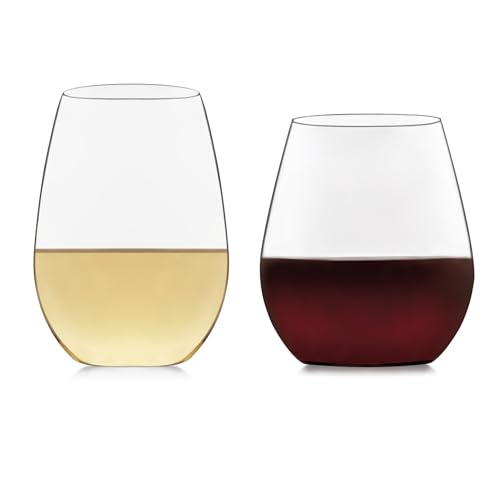
Libbey Signature Wine Glasses
Best for: drinkers whose habits match its strengths. Not suited for: anyone whose priorities point the other way. Tier: entry. In prose terms, this is the practical everyday choice from a maker with deep roots in glassware, offering clear glass, comfortable proportions and the kind of easy replacement availability that matters when a household glass inevitably breaks. Judge it the way you should judge every pick in this cluster: by the rim finish first, then balance in the hand, then whether the bowl shape suits the wines you actually pour, and finally by how easily you can replace a glass when, not if, one breaks.
Strengths and trade-offs, in brief: on the strength side, expect a coherent shape, a rim that does not fight the wine, and a set that can be set at a full table without apology. On the trade-off side, expect the usual glassware realities: care at the sink, space in the cupboard, and the need to retire any glass the moment its rim chips. Those trade-offs are not hidden flaws in this pick; they are the terms on which all real glass operates, and a pick that suits you is one whose particular balance of them matches your household.

Luigi Bormioli Supremo Wine Glasses
Best for: drinkers whose habits match its strengths. Not suited for: anyone whose priorities point the other way. Tier: mid. In prose terms, this is the Italian-made middle path, with elegant pulled-stem construction and refined bowls that feel like a step up from basic glass without asking you to handle them like museum pieces. Judge it the way you should judge every pick in this cluster: by the rim finish first, then balance in the hand, then whether the bowl shape suits the wines you actually pour, and finally by how easily you can replace a glass when, not if, one breaks.
Strengths and trade-offs, in brief: on the strength side, expect a coherent shape, a rim that does not fight the wine, and a set that can be set at a full table without apology. On the trade-off side, expect the usual glassware realities: care at the sink, space in the cupboard, and the need to retire any glass the moment its rim chips. Those trade-offs are not hidden flaws in this pick; they are the terms on which all real glass operates, and a pick that suits you is one whose particular balance of them matches your household.
Gabriel-Glas StandArt Wine Glasses
Best for: drinkers whose habits match its strengths. Not suited for: anyone whose priorities point the other way. Tier: premium. In prose terms, this is the universal-glass idea taken seriously, with one carefully shaped bowl intended to handle reds, whites and sparkling wine alike, which appeals if you would rather own fewer, better glasses than a cupboard of specialists. Judge it the way you should judge every pick in this cluster: by the rim finish first, then balance in the hand, then whether the bowl shape suits the wines you actually pour, and finally by how easily you can replace a glass when, not if, one breaks.
Strengths and trade-offs, in brief: on the strength side, expect a coherent shape, a rim that does not fight the wine, and a set that can be set at a full table without apology. On the trade-off side, expect the usual glassware realities: care at the sink, space in the cupboard, and the need to retire any glass the moment its rim chips. Those trade-offs are not hidden flaws in this pick; they are the terms on which all real glass operates, and a pick that suits you is one whose particular balance of them matches your household.

Riedel Vinum Wine Glasses
Best for: drinkers whose habits match its strengths. Not suited for: anyone whose priorities point the other way. Tier: premium. In prose terms, this is the long-established crystal specialist in this group, known for grape-specific bowl shapes and a fine, polished rim that suits drinkers who pour a wide range of styles and want one set that treats each of them seriously. Judge it the way you should judge every pick in this cluster: by the rim finish first, then balance in the hand, then whether the bowl shape suits the wines you actually pour, and finally by how easily you can replace a glass when, not if, one breaks.
Strengths and trade-offs, in brief: on the strength side, expect a coherent shape, a rim that does not fight the wine, and a set that can be set at a full table without apology. On the trade-off side, expect the usual glassware realities: care at the sink, space in the cupboard, and the need to retire any glass the moment its rim chips. Those trade-offs are not hidden flaws in this pick; they are the terms on which all real glass operates, and a pick that suits you is one whose particular balance of them matches your household.
Who Should Buy Which Pattern
Careful couples and attentive hosts should shortlist the premium crystal patterns and accept hand-washing as the price of the rim they want. Busy households, families and frequent gatherers should shortlist the sturdy entry and mid patterns and spend the difference on spares. Mixed drinkers with small cupboards should shortlist the universal pattern. Before buying any of them, run the same checklist: measure the shelf, count the table, face the dishwasher question, confirm the range continues, and decide how a breakage will be replaced. A pattern that passes your checklist beats a pattern that merely wins a ranking.
Setup, Care and Maintenance Essentials
Every pattern in this roundup lives or dies by the same care: warm water, little detergent, hold the bowl, rinse thoroughly, dry warm with a lint-free cloth, store upright and spaced, inspect rims and retire chips immediately. Machine washing, where the maker allows it, means top rack, no contact, gentle cycle, and acceptance of gradual clouding. These are not fussy extras. In review after review, they are the difference between the owners still praising a set years later and the owners warning you off it.
Balance and weight in the hand
Pick a glass up, if you can, or read owner experience carefully if you cannot. A good wine glass feels balanced rather than top-heavy: the bowl, stem and foot work together so the glass sits steadily, swirls without fighting you and does not feel as if one good knock will send it over. Very light glasses can feel exquisite and also fragile; heavier glasses can feel reassuring and also clumsy, especially with a thick base that makes the last sip awkward. There is a middle ground most households end up preferring, where the glass disappears a little and attention stays on the wine and the people. Pay attention to the foot as well. A foot that is too small for the bowl makes tipping more likely, and a foot with a rough or uneven edge will rock on the table and scratch surfaces. Small physical details like these decide whether a set gets used nightly or quietly avoided.
Washing wine glasses without ruining them
Most wine glass damage happens at the sink, not the table. Wash glasses separately from heavy pans and cutlery, in warm rather than very hot water, with a small amount of mild detergent and a soft sponge or cloth. Hold the bowl, never twist by the stem or foot, because torque at the join is how stems snap. Rinse well: detergent residue is a common, invisible cause of flat aroma and dull sparkle, and a glass that smells of the cupboard or the wash will pass that smell straight to the wine. Dry with a clean, lint-free cloth while the glass is still warm, polishing gently, or leave glasses to air-dry upside down on a clean towel if handling feels risky. If you use a dishwasher, only do so when the maker allows it, load glasses securely on the top rack away from contact, choose a gentle cycle, and accept that repeated machine washing can gradually cloud glass over time.
Serving temperature does quiet, real work
A set of glasses cannot fix a wine served at the wrong temperature, and this is where many tastings quietly go wrong. Whites served straight from the coldest part of the fridge can taste muted and tight; a few minutes on the counter lets aroma return. Reds served at a warm room temperature can taste flabby and alcoholic; a short rest in a cooler spot, or even a brief chill, tightens them up. You do not need gadgets or precision to benefit, just awareness that temperature changes what you perceive as much as glass shape does. Pour modestly, roughly a third of the bowl, so there is room to swirl and the wine is not warming in a full glass while you eat. Refill little and often rather than pouring large measures that sit. These small habits, repeated, do more for ordinary enjoyment than upgrading glassware twice.
Swirling, sniffing and other habits worth keeping simple
Swirling is not theatre. A gentle swirl coats the inside of the bowl and releases aroma, which is most of what we call flavour. Keep the base of the glass on the table and move it in small circles if you are new to it; that one trick prevents most spills. Smell before you sip, briefly, and notice whether the glass itself smells neutral. A musty cupboard smell, a detergent trace or a cloth that was not clean will all appear in the wine, and blaming the bottle for a dirty glass is a common mistake. Hold the stem when you remember, set the glass down between sips rather than cradling it, and rinse glasses with a little water between very different wines if you are tasting several. None of this needs to become ritual. The point of a good set is that these small things become easy enough to forget about.
Glasses for sparkling wine, without a second mortgage
Sparkling wine shows the bowl-shape debate at its clearest. A tall, narrow flute shows bubbles beautifully and keeps them lively, but its small opening gives aroma nowhere to go. A wider tulip or a standard white wine bowl shows fewer theatrical bubbles yet lets you actually smell the wine, which many drinkers now prefer. The honest answer is that a good all-purpose or white wine glass serves sparkling wine very respectably, and a dedicated set of flutes is a nice extra rather than a necessity. If you open sparkling wine weekly, a tulip shape is the thoughtful compromise. If you open it twice a year for toasts, pour it into the glasses you already own and spend your attention on keeping the bottle properly cold. What matters most is a clean, dry, residue-free glass, because detergent film kills bubbles faster than bowl shape ever will.
Everyday drinking versus occasion drinking
Many households really have two kinds of wine drinking: the ordinary glass with dinner, and the occasion bottle where everyone pays attention. One set can cover both if it is chosen in the honest middle: fine enough at the rim to respect a good bottle, tough enough in the bowl to survive a Tuesday. Problems start at the extremes. A set bought only for occasions may be so delicate it lives in its box, feared rather than used. A set bought only for toughness may feel so coarse that a special bottle deserves better. Naming which kind of drinking dominates your home is the single most clarifying step in this whole category. If occasions dominate, weight your choice toward finesse and hand-washing tolerance. If everyday drinking dominates, weight it toward replacement cost, dishwasher reality and a rim that is pleasant rather than perfect, and let the special bottle be served in the same honest glasses.
Cloudiness, spots and bringing glass back
Cloudy glass usually has one of two causes. Soft white film that wipes or rinses away is mineral deposit from hard water or detergent build-up, and a soak in warm water with a little white vinegar, followed by a gentle wash and thorough rinse, often restores clarity. Permanent cloudiness that does not shift is usually etching, tiny surface damage from repeated hot, harsh dishwasher cycles, and that does not polish out. Prevention is the real cure: gentler cycles, less detergent, glasses loaded so they do not touch, and hand-washing for the glasses you care most about. Water spots are simpler: dry glasses while warm with a lint-free cloth rather than leaving hard water to evaporate on them. None of this requires special products, just the recognition that glass is a surface that records how it has been treated, and that a set cared for steadily will still look clear years in.
Reading product descriptions like a sceptic
Product pages for glassware are full of soft language: unbreakable, forever clear, sommelier approved, taste enhancing. Translate each claim into something checkable. Unbreakable usually means more resistant, not immune, and no glass survives a fall onto stone reliably. Taste enhancing usually refers to bowl shape and rim finish, which matter modestly, as covered above. Look instead for the material stated plainly, whether the maker allows dishwashing, the count and shape of the glasses, the rim style, and whether the range is sold open-stock so you can replace pieces. Be wary of invented technical figures, miracle coatings and health claims attached to ordinary glass. A maker who states the basics clearly and sells replacements openly is telling you something good about the whole purchase. Keep your receipt or a note of the range name, and photograph the box label if storage space means the box itself has to go.
One more check before you decide
Before you commit, run one final pass over the unglamorous details. Measure your cupboard shelf height against a stemmed glass, look honestly at your dishwasher rack, count your usual table, and decide who in the household will actually wash these glasses and how. A set that fits the shelf, survives the wash and covers the table will be loved; a theoretically finer set that fails any one of those tests will slowly be worked around and then replaced. Write down the range name, keep a spare or two in mind, and remember that retiring a chipped glass promptly is part of ownership, not an admission of failure. Good glassware is not precious. It is equipment for paying attention to what you drink, in company you enjoy, and the best set is the one still complete, clear and in regular use a year from now.
Putting it into practice this week
You do not need to wait for a special occasion to test a new set properly. Pour the same familiar wine into the new glass and, if you still have one, an old glass, and notice the rim, the aroma and how the glass feels over a whole meal rather than a single sip. Notice whether you reach for it the next evening without thinking. That reach test, repeated over a week of ordinary dinners, tells you more than any first impression at the shop. Wash the glasses the way you will really wash them, store them where they will really live, and set a full table once to check counts and spacing. If the set passes ordinary life, it will handle occasions. If it only shines on its first evening, you have learned something worth knowing while returns are still simple.
Why the rim deserves more attention than the bowl
The rim is where the glass actually meets you, and it changes the experience more than most buyers expect. A thin, smooth, laser-cut style rim lets wine flow cleanly onto the palate, while a thick rolled rim interrupts that flow and reminds you, with every sip, that you are drinking from something built for toughness first. Neither is automatically right. A household that drinks wine with weeknight pasta may value the rolled rim and its forgiveness, while a household that opens a special bottle on a Saturday may want the finer edge. What is not negotiable is condition. A chipped rim means the glass should be retired at once, because a chip can cut a lip and the tiny cracks around it can harbour bacteria that washing cannot reliably reach. Run a fingertip lightly around rims when you unpack a set and again every few months, and treat any catch or roughness as the end of that glass, not as a cosmetic flaw to live with.
Crystal, crystal glass and plain glass, honestly explained
Shoppers meet three overlapping terms and a lot of mystique. Plain soda-lime glass is the workhorse material: clear enough, tough, inexpensive to replace and completely adequate for most drinking. Crystal glass, in modern production, usually means glass formulated for extra brilliance and a thinner, finer feel, often made without lead in contemporary ranges. Traditional lead crystal is the older formulation, prized for sparkle and weight, and it deserves a principle-level caution rather than alarm: do not store wine or spirits in a lead crystal decanter for long periods, wash pieces by hand, and treat very old or heirloom lead crystal as occasional tableware rather than an everyday drinking vessel, especially for children and during pregnancy. Beyond that principle, avoid invented figures and dramatic claims. For a new everyday set, modern lead-free crystal glass or good plain glass removes the question entirely, which is one reason so many current ranges have moved that way.
What bowl shape can and cannot do
Bowl shape matters, but modestly, and honest guidance should say so. A wider bowl gives red wine more surface contact with air and more room to swirl, which can help a young, tight wine open up in the glass. A narrower bowl keeps a white wine cooler-feeling and directs its aroma more tightly, and a tall, slim bowl helps sparkling wine hold its bubbles and show them rising. Those are real, physical effects. What shape cannot do is rescue a poor wine, transform a good wine into a great one, or replace serving temperature and a decent pour. If a seller claims one proprietary curve will change everything you drink, be sceptical. The practical takeaway is simpler: choose a medium, versatile bowl for mixed drinking, add a larger red bowl only if reds dominate your table, and remember that a clean glass at the right temperature beats a theoretically perfect bowl that is dusty, soapy or warm from the dishwasher.
Stemmed or stemless, without the snobbery
A stem exists for practical reasons, not ceremony. Holding a stem keeps your hand off the bowl, so the wine stays closer to the temperature you poured it at, and it keeps fingerprints off the glass so you can actually see the wine. The costs are real too: stemmed glasses tip more easily, take more cupboard height, and are awkward in many dishwashers. Stemless glasses solve those problems. They sit stably on crowded tables, fit low shelves and dishwasher racks, travel better to picnics and gardens, and feel relaxed for casual drinking. Their trade-off is warming: a hand wrapped around a bowl will warm a chilled white noticeably over a long drink, and the bowl picks up prints. A sensible household answer is often both, in time: stemmed for the table and for wines you care about, stemless for outdoors, large gatherings and everyday pouring where convenience wins.
How many glasses a household actually needs
Count drinkers and occasions, not aspirations. A couple who drink wine together most evenings need enough glasses for tonight, tomorrow while tonight’s are drying, and a spare for the breakage that will eventually happen. A household that hosts six for dinner needs at least six matching glasses that can appear together, plus a couple of spares, because a set that drops below the size of your usual table stops being a set in any useful sense. This is a quiet argument for buying from an open, continuing range rather than a discontinued bargain: being able to replace two glasses next year, in the same shape, protects the whole purchase. It is also an argument against buying the largest box by default. Extra glasses you never use still need washing, storage and cupboard space, and they crowd the glasses you reach for daily. Buy for your real table, with a modest buffer.
Storage that prevents the slow losses
Glasses usually die in cupboards, not at dinner. Store them upright on their feet rather than on their rims, because the rim is the thinnest, most vulnerable part of the glass and should not carry its weight. Leave a little space between glasses so bowls and rims do not knock when you reach past them, and avoid stacking stemware unless the design explicitly allows it. Deep, crowded shelves where glasses must be dragged past each other are a breakage machine. If space is tight, a stemware rack that hangs glasses by the foot can help, provided it is firmly fixed and the glasses hang clear of each other. Keep everyday glasses at an easy height rather than on a top shelf reached on tiptoe with wet hands. And keep the box, if you have room: for a move, a party overflow or long storage, the original dividers are still the safest home a spare glass can have.
Breakage, spares and the honest cost of ownership
Every wine glass set, at every level, eventually loses a glass. Planning for that moment is part of buying well. Favour ranges that stay in production, buy a couple more glasses than your minimum if the set is central to your entertaining, and keep the exact range name noted somewhere so a replacement search years later starts from fact rather than memory. When a glass chips, retire it immediately rather than demoting it to water duty, for the cut and hygiene reasons already covered. When a stem snaps cleanly, the remaining bowl is not a candle holder project worth a cut hand; recycle it and move on. This realism slightly favours plainer, continuing ranges for busy households, and it reframes value: a moderately priced set you can top up for years can serve you better than an exquisite discontinued set that becomes unusable as a matching table once two glasses are gone.
Red wine glasses and the large-bowl question
Large red bowls look impressive and can genuinely help a young, tannic red by giving it air and room. They also come with costs that rarely appear in marketing: they take far more cupboard and dishwasher space, they encourage over-pouring because a sensible measure looks lost in them, they are more top-heavy and more expensive to replace, and a household set of very large glasses can dominate a small table. For most mixed drinking, a medium-large bowl is the sweet spot, giving reds enough room without turning every pour into an event. Reserve the truly oversized bowl for drinkers who know they love it and who mostly drink the styles that benefit. If you are choosing one set to do everything, versatility beats drama, and a glass that suits Tuesday’s simple red and Saturday’s white equally will be reached for far more often.
What a set should include, and what is marketing
A useful set covers the drinking you actually do with matching glasses in a sensible count. A set padded with shapes you will never use, novelty glasses or accessories of thin quality is not better value; it is cupboard clutter bought at a discount. Read set descriptions carefully for the count of the main glass, not just the total piece count, and for whether every piece is the same material and finish. Matching matters at a set table in a way it does not for a single glass by the sink. Also check whether the set is one shape repeated or a mix of red and white shapes, and decide which suits your habits before buying rather than after. Mixed sets suit households that pour both regularly; a single universal shape suits smaller cupboards, mixed groups and anyone who values being able to set any table from one shelf.
Guests, confidence and the social side of a set
A matching set does quiet social work. It lets you set a table without apologising for a patchwork of promotional glasses, freebies and survivors of older sets, and it makes a simple meal feel considered. That is not vanity; hospitality is partly the removal of small distractions, and mismatched, chipped or cloudy glassware is a distraction. At the same time, do not let set anxiety stop you pouring. Guests remember warmth, food and conversation, not whether the white was in the theoretically ideal bowl. The practical goal is a set that is complete enough for your usual number of guests, stored where you can reach it calmly, and inexpensive enough to replace that a breakage during a party is a shrug and a dustpan, not a ruined evening. Choose the level where you can be generous with your glasses, literally, and you have chosen well.
Children, pets, parties and other real life
Real households include elbows, dogs, children reaching across tables and parties that move from kitchen to garden. Stemless glasses, shorter glasses and tougher plain glass all earn their place in that reality, and there is no failure in choosing them for the seasons of life when breakage would otherwise be constant. Consider keeping two tiers if budget and space allow over time: a sturdier everyday set that nobody has to tiptoe around, and the better set for seated dinners. If only one set is possible, choose for the life you have now, not the dinner parties you imagine in five years. A glass on a low table within tail height will be knocked; a glass carried through a crowded room by its bowl will be dropped eventually. Designing around that, with stable shapes and spares, is not lowering your standards. It is what makes a set survive long enough to become familiar.
Patterns Across Wine Glass Set Listings Worth Verifying Yourself
Reading across many wine glass set listings and owner reports, the same patterns surface again and again, and they are more useful than any single verdict. This section gathers those recurring signals, explains what each one usually means in practice, and shows how to verify the important ones against the specific listing you are considering.
Across owner reports on the wine glass set, praise clusters in a predictable place: households whose routine centres on serving wine with glasses matched to the occasion are consistently the happiest, and their reviews read almost boringly satisfied. Complaints cluster just as predictably around fit, which is why the first pattern to check in any listing is whether it states clearly the facts behind the bowl sizes and stem heights against your cupboard shelves and dishwasher. Vague dimensions in a listing correlate with disappointed reviews more than any design flaw does.
The second pattern is the slow complaint. Early reviews glow; the criticisms that arrive months later describe chips on rims and snapped stems, which are the two failure points that end a set gradually. When you read reviews, sort mentally by ownership length rather than enthusiasm, and give extra weight to anyone describing the upkeep honestly, because washing carefully by hand or on a gentle cycle and polishing to prevent water spots. Reports that mention a model like Libbey Signature Wine Glasses holding up after a year of regular use tell you more than a dozen five-line first impressions.
The third pattern is mismatch, not malfunction. Owners who checked compatibility in advance, meaning how many glasses you need for your largest typical gathering, plus spares for breakages, rarely report the product failing them, while owners who assumed it would fit their setup supply most of the one-paragraph horror stories. Use reviews, then, as a checklist of things to verify on your chosen listing, and run the edge case early yourself: a dinner party where every glass is in use at once, which reveals whether you bought enough. Verified against your own home, the crowd consensus becomes a reliable guide instead of background noise.
A Final Decision Checklist
- In listings, look first for clear statements behind the bowl sizes and stem heights against your cupboard shelves and dishwasher; vagueness here predicts complaints.
- In owner reports, weight long-term posts describing how chips on rims and snapped stems, which are the two failure points that end a set gradually developed.
- Treat upkeep reports as data, because washing carefully by hand or on a gentle cycle and polishing to prevent water spots is where ownership verdicts are decided.
- Cross-check compatibility claims, since how many glasses you need for your largest typical gathering, plus spares for breakages is the mismatch owners report most.
- Verify the edge case yourself rather than trusting reviews, because a dinner party where every glass is in use at once, which reveals whether you bought enough.
- Write down your two most frequent uses and search reviews from owners with the same ones.
- Keep packaging and paperwork until your own first week confirms the consensus.
- Photograph the setup once it works well, so you can compare it with review photographs later.
- Note how often owners the person who cleans it most a veto, because their friction decides how long it stays in service.
- Verify against listings that the largest regular job, not the largest imaginable one, when judging whether the size is right.
- Note how often owners the edge case on a quiet day first, since a dinner party where every glass is in use at once is a poor thing to meet unprepared.
- Cross-check notes on what worked, in the room where the wine glass set is used, where future-you will actually find them.
- Look for reports that the storage spot honestly: if putting it away is awkward, the wine glass set will slowly stop being used.
- Cross-check instructions photographed on your phone, so troubleshooting never starts with a search through drawers.
- Cross-check the fit again after a week of real use, when the bowl sizes and stem heights against your cupboard shelves and dishwasher can be judged against experience rather than hope.
Frequently Asked Questions
How many wine glasses should a set include?
Enough for your usual table plus spares. Count the most people you regularly seat, add at least two for breakage and for glasses still drying from yesterday, and favour a continuing range so the count can be restored later. A larger box is not automatically better: unused glasses still need washing, storage and shelf space. For most households, a complete set for their real table, topped up over time, beats an oversized set bought once and slowly lost to chips without any way to replace matching pieces.
Should I choose stemmed or stemless wine glasses?
Choose stemmed glasses if you mostly drink seated at a table, care about keeping white wine cool and like seeing the wine without fingerprints on the bowl. Choose stemless if your drinking is casual, outdoors, crowded or short on cupboard and dishwasher space, accepting that a hand on the bowl warms the wine over a long drink. Many households end up with stemmed glasses for dinners and stemless for everyday and garden use. Neither choice is more correct; they solve different problems, and the honest answer depends on where and how you actually drink.
Is crystal better than regular glass for wine?
Crystal glass usually offers extra brilliance, a finer rim and a more delicate feel, while plain glass offers toughness and easy replacement. In the glass, with the same wine at the same temperature, the difference is real but modest, and a clean plain glass will outperform a dusty crystal one every time. Modern crystal glass is commonly made without lead. With older lead crystal, follow a simple principle: enjoy it occasionally, wash it by hand and never store wine in a lead crystal decanter for long periods. For a new everyday set, either material can be the right call.
What should I do if a wine glass chips?
Retire it immediately. A chipped rim can cut a lip, and the fine cracks around a chip can harbour bacteria that normal washing cannot reliably reach, so a chipped glass is not a spare for water or a candle holder in waiting. Wrap it safely and recycle or dispose of it according to local rules for broken glass. This is also why buying from a continuing, open-stock range matters: a chip should cost you one replaceable glass, not the usefulness of the whole matching set at your next dinner party.
Can wine glasses go in the dishwasher?
Some can, on the maker’s terms: top rack, loaded so glasses cannot knock together, on a gentle cycle with modest detergent. Even then, repeated machine washing can gradually cloud glass and the rack is where many stems are lost. Delicate crystal, decorated glass and anything with a gold rim belong at the sink. Whichever route you choose, hold the bowl rather than the stem when handling, rinse detergent away thoroughly because residue flattens aroma and kills sparkling wine bubbles, and dry with a clean lint-free cloth while the glass is warm for the clearest finish.
Does bowl shape really change how wine tastes?
Modestly, yes, and not magically. A wider bowl gives red wine air and swirling room, a narrower bowl keeps whites focused and sparkling wine lively, and a thin rim delivers wine more cleanly than a thick rolled one. Shape cannot rescue a poor wine or replace correct serving temperature, a clean glass and a sensible pour of about a third of the bowl. If you drink a mix of styles, one medium, slightly tapered universal bowl will serve nearly everything well. Add specialist shapes only for the style you pour most and genuinely enjoy comparing.
Related Guides and Next Reads
- read our companion piece on wine glass set review
- read our companion piece on wine glass set buying guide
- read our companion piece on wine glass set pros and cons
- see the earlier glassware set guide on glassware set review
- see the earlier glassware set guide on glassware set buying guide
- see the earlier glassware set guide on how to choose a glassware set
- explore best martini glasses
- explore best highball glasses
- explore best wine fridges
- explore best countertop dishwashers with glassware cycles
Those related reads round out the picture: the companion pieces in this cluster approach the same glasses from different angles, the earlier glassware set cluster covers the wider table, and the live guides above cover the decanters, aerators, openers and storage that tend to be bought alongside a new set. Taken together they let you build a coherent shelf rather than a pile of unrelated purchases, which is ultimately what a good set is for.