Disclosure: As an Amazon Associate, airfryerkitchensupply.com earns from qualifying purchases. Links on this page are affiliate links; they cost you nothing extra. Prices and availability change often, so check the current Amazon listing before you buy.
This guide is built around one search: daybed pros and cons. If you typed daybed pros and cons hoping for a straight answer rather than a sales pitch, you are in the right place. What follows looks at daybeds as they really live in homes, as twin beds with three sides that must earn their keep as seating by day and sleep by night, with the compromises stated plainly and the practical care, assembly, trundle, and bedding details that decide whether owners stay pleased or quietly move the piece to a spare corner.
Key Takeaways
- A daybed sleeps on a twin mattress, so seat depth is bed depth and bolsters are essential for comfortable upright sitting.
- Trundle models add a hidden second bed; move them slowly, keep fingers clear of moving parts, and expect casters to prefer hard floors.
- Plan assembly as a two person job for metal frames, and check slat support and fastener tightness after the first weeks of use.
- Judge value by the whole system: frame, mattress, bedding, bolsters, and any trundle mattress together.
- Confirm current listing details before buying.
In this guide
Daybed Pros and Cons: The Pros, Explained Properly
The most honest sentence about a daybed is this: the seat depth is bed depth. A sofa is designed so your feet can rest on the floor while your back meets the cushion. A daybed is deeper, so sitting upright takes intention. Long bolsters along the back rail, firm throw pillows, or a rolled blanket behind your knees change the posture completely. Without that support, people perch on the edge or curl sideways, and then they blame the frame for a problem that is really about arrangement. With that support, the same daybed becomes a generous reading perch, a place for a child to spread out books, and a lounge that invites you to stay longer than a chair would.
When you compare models, look past the styled photograph. Photographs push the daybed against a bright wall, dress it with perfect pillows, and crop out the side table, the lamp, and the walking space. Ask instead how the back rail feels to lean on, how the ends shape the seating, how the support surface is built, and how the finish will handle the cleaning you actually do. Read the makers own description carefully, note what is included and what is sold separately, especially mattresses, trundles, and bedding, and treat any missing detail as a question to answer before ordering, not after delivery.
Long term care is straightforward and mostly about attention. Vacuum upholstered sides with a soft attachment, wipe metal and wood with a slightly damp cloth and dry them, and keep bedding washed and fully dry before making the bed again. Rotate the twin mattress as its maker recommends, check slats and supports when you change sheets for a deeper clean, and retighten accessible fasteners if the frame develops movement. Sunlight fades fabrics over time, so a daybed that lives under a bright window may need a throw over the back rail. None of this is difficult; all of it is easier when it becomes part of the normal rhythm of the room.
A daybed looks simple from across the room, and that simplicity is exactly why people misjudge it. It is a twin bed with three raised sides, which means the frame gives you back support along the long edge and at both ends, while the sleeping surface stays the size of a standard twin mattress. By day those three sides suggest a deep sofa. By night the same surface is a real bed, not a folded mechanism and not a thin pad on the floor. Holding both truths at once is the starting point for every good decision in this guide. If you expect sofa depth, you will be disappointed without bolsters. If you expect only a spare bed, you will miss how much daily seating, reading, and quiet work the piece can carry in a small room.
Storage around a daybed matters as much as storage under it. The space beneath the frame, when there is no trundle, tempts people to slide in bins, spare blankets, and out of season clothes. That can work well if the items are contained and the floor underneath can still be cleaned. If there is a trundle, that under space is already spoken for, and storage has to live elsewhere, in a closet, a basket, or a lidded box that fits the room. Be honest about which version you are buying. People who choose a trundle for guests and then mourn the lost storage usually needed a plain frame and a different guest plan.
Assembly deserves respect, especially with metal frames. The pieces are long, the rails can swing, and a frame that looks light in a photograph can feel awkward when you are trying to hold a side rail level while threading a fastener. Plan on two people for metal frames. Lay every part out first, match pieces to the instructions before tightening anything fully, and keep fasteners in a bowl so nothing vanishes into carpet. Work on a rug or blanket to protect floors and finishes. Leave final tightening until the frame stands square, then go around again in sequence. Rushing assembly is the most common route to a wobble that people later blame on the design.
Bedding is not an afterthought, because a daybed is made and unmade in public. Unlike a bed tucked in a private bedroom, this one is often in a living room, study, or shared childrens room, so the daytime look matters. A fitted twin sheet, a cover that tucks cleanly, and a small stack of pillows that have a home at night solve most of the friction. Choose covers you can wash without dread. Keep the nighttime pillows somewhere deliberate, a basket, a closet shelf, or the trundle itself when it is not in use, so converting from sofa mode to sleep mode takes minutes rather than a scavenger hunt.
The Cons of Owning a Daybed, Stated Honestly
The most honest sentence about a daybed is this: the seat depth is bed depth. A sofa is designed so your feet can rest on the floor while your back meets the cushion. A daybed is deeper, so sitting upright takes intention. Long bolsters along the back rail, firm throw pillows, or a rolled blanket behind your knees change the posture completely. Without that support, people perch on the edge or curl sideways, and then they blame the frame for a problem that is really about arrangement. With that support, the same daybed becomes a generous reading perch, a place for a child to spread out books, and a lounge that invites you to stay longer than a chair would.
Storage around a daybed matters as much as storage under it. The space beneath the frame, when there is no trundle, tempts people to slide in bins, spare blankets, and out of season clothes. That can work well if the items are contained and the floor underneath can still be cleaned. If there is a trundle, that under space is already spoken for, and storage has to live elsewhere, in a closet, a basket, or a lidded box that fits the room. Be honest about which version you are buying. People who choose a trundle for guests and then mourn the lost storage usually needed a plain frame and a different guest plan.
A daybed looks simple from across the room, and that simplicity is exactly why people misjudge it. It is a twin bed with three raised sides, which means the frame gives you back support along the long edge and at both ends, while the sleeping surface stays the size of a standard twin mattress. By day those three sides suggest a deep sofa. By night the same surface is a real bed, not a folded mechanism and not a thin pad on the floor. Holding both truths at once is the starting point for every good decision in this guide. If you expect sofa depth, you will be disappointed without bolsters. If you expect only a spare bed, you will miss how much daily seating, reading, and quiet work the piece can carry in a small room.
Room placement shapes everything. Against a wall, the long back rail does its best work and the room keeps a clear walking path. Floating a daybed in the middle of a room rarely works, because the back is not finished as a room divider in most designs and the depth eats circulation space. Leave honest room on the open side for feet, for making the bed, and for a trundle to roll out fully without meeting a coffee table. Measure the doorway and the turn into the room, not just the wall where the bed will sit. Many returns and regrets begin with a hallway corner, not with the product itself.
A daybed can be a kind and practical choice for reading, resting, and hosting, provided you accept its terms. It asks for bolsters to sit well, for care around moving trundle parts, for two people at assembly, and for bedding that earns its place in a shared room. In return it gives a real twin bed, a deep and generous seat, and a piece of furniture that earns its footprint every day rather than only when guests arrive. People who understand that exchange tend to keep their daybeds for years and move them from room to room as life changes. People who wanted a true sofa or a true spare bedroom in disguise tend to keep wishing it were something else.
For children, use the same calm bed care you would use anywhere else. Check that gaps around rails and ends feel sensible for the sleeper who will actually use the bed, keep bedding from bunching into loose piles for very young children, and teach children that the back and side rails are for support, not climbing. A daybed is not a bunk and it is not a playground frame. Adults should make the bed up, test the slats, and do the first few trundle movements themselves so the motion is familiar before a young guest tries to help. Small habits, repeated, matter more than any single feature on a product page.
Value in a daybed is rarely about the frame alone. The full cost in effort includes the mattress, bedding that fits a twin, pillows or bolsters that make sitting comfortable, and possibly a trundle mattress that is thin enough to store yet comfortable enough to offer a guest without apology. Planning those pieces together prevents the common disappointment of a beautiful frame paired with a mattress that was chosen in a hurry. It also helps you compare fairly: one frame may look simpler because it leaves more of the system for you to supply, while another includes more of what you need from the start.
What the Trade-Offs Mean for You, by Household
Daybeds reward people who like one room to do two jobs without looking like a compromise. A study that becomes a guest room, a nursery that later becomes a childs bedroom, a living room in a small apartment where a permanent sofa and a permanent bed cannot both fit, these are the natural homes for this furniture. The daybed does not fold, unfold, or convert with levers. You change pillows and bedding, and the room changes purpose. That simplicity is the appeal and also the limit: the bed is always visibly a bed in shape, even on its most sofa-like day, and styling has to work with that fact rather than pretend it away.
Fabric and finish change how a daybed lives day to day. Painted metal wipes clean and suits spare rooms, rentals, and busy family spaces, but it can feel visually cool in a bedroom that wants softness. Upholstered sides soften the look and the lean, and they reward gentler cleaning and more patience with lint, crumbs, and pet hair. Wood brings warmth and weight, and it can make a daybed feel like furniture rather than equipment. None of these is automatically better. The right choice follows the room: who sits here, who sleeps here, how often bedding is washed, and how much visual calm you want the piece to bring.
For children, use the same calm bed care you would use anywhere else. Check that gaps around rails and ends feel sensible for the sleeper who will actually use the bed, keep bedding from bunching into loose piles for very young children, and teach children that the back and side rails are for support, not climbing. A daybed is not a bunk and it is not a playground frame. Adults should make the bed up, test the slats, and do the first few trundle movements themselves so the motion is familiar before a young guest tries to help. Small habits, repeated, matter more than any single feature on a product page.
Long term care is straightforward and mostly about attention. Vacuum upholstered sides with a soft attachment, wipe metal and wood with a slightly damp cloth and dry them, and keep bedding washed and fully dry before making the bed again. Rotate the twin mattress as its maker recommends, check slats and supports when you change sheets for a deeper clean, and retighten accessible fasteners if the frame develops movement. Sunlight fades fabrics over time, so a daybed that lives under a bright window may need a throw over the back rail. None of this is difficult; all of it is easier when it becomes part of the normal rhythm of the room.
The most honest sentence about a daybed is this: the seat depth is bed depth. A sofa is designed so your feet can rest on the floor while your back meets the cushion. A daybed is deeper, so sitting upright takes intention. Long bolsters along the back rail, firm throw pillows, or a rolled blanket behind your knees change the posture completely. Without that support, people perch on the edge or curl sideways, and then they blame the frame for a problem that is really about arrangement. With that support, the same daybed becomes a generous reading perch, a place for a child to spread out books, and a lounge that invites you to stay longer than a chair would.
How a Daybed Compares With Two Alternatives
Fabric and finish change how a daybed lives day to day. Painted metal wipes clean and suits spare rooms, rentals, and busy family spaces, but it can feel visually cool in a bedroom that wants softness. Upholstered sides soften the look and the lean, and they reward gentler cleaning and more patience with lint, crumbs, and pet hair. Wood brings warmth and weight, and it can make a daybed feel like furniture rather than equipment. None of these is automatically better. The right choice follows the room: who sits here, who sleeps here, how often bedding is washed, and how much visual calm you want the piece to bring.
Room placement shapes everything. Against a wall, the long back rail does its best work and the room keeps a clear walking path. Floating a daybed in the middle of a room rarely works, because the back is not finished as a room divider in most designs and the depth eats circulation space. Leave honest room on the open side for feet, for making the bed, and for a trundle to roll out fully without meeting a coffee table. Measure the doorway and the turn into the room, not just the wall where the bed will sit. Many returns and regrets begin with a hallway corner, not with the product itself.
Mattress support is quiet, unglamorous, and decisive. Most daybeds rely on slats or a linked support surface under the twin mattress. What matters in plain language is evenness: the mattress should feel supported across its whole length, without a sagging middle or a hard ridge at the edge. Press along the surface with your hands before the first night, lie down and roll slowly from back to side, and listen. Creaks that appear on night one rarely improve on their own. Tighten what the maker allows you to tighten, reseat anything that sits crooked, and stop using a damaged support piece until it is replaced or repaired properly.
Value in a daybed is rarely about the frame alone. The full cost in effort includes the mattress, bedding that fits a twin, pillows or bolsters that make sitting comfortable, and possibly a trundle mattress that is thin enough to store yet comfortable enough to offer a guest without apology. Planning those pieces together prevents the common disappointment of a beautiful frame paired with a mattress that was chosen in a hurry. It also helps you compare fairly: one frame may look simpler because it leaves more of the system for you to supply, while another includes more of what you need from the start.
How to Buy Smart if You Decide to Buy

DHP Metal Daybed Frame
Note its rail shape, support description, finish, and whether a trundle is offered, then confirm current listing details directly before any decision. Qualitative tier: mid range positioning for most shoppers. Best for readers whose room suits this direction. Not suited for anyone who has not checked included parts and mattress needs.
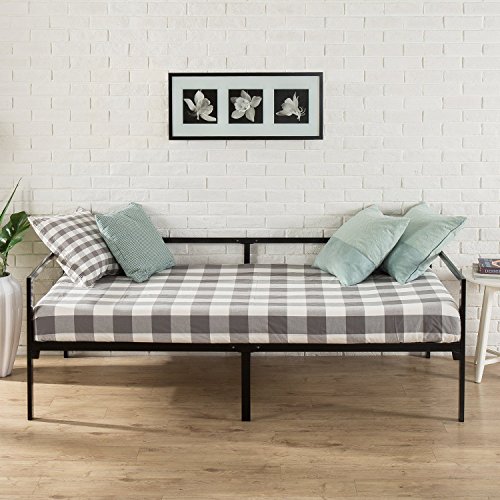
ZINUS Daybed Frame
Note its rail shape, support description, finish, and whether a trundle is offered, then confirm current listing details directly before any decision. Qualitative tier: mid range positioning for most shoppers. Best for readers whose room suits this direction. Not suited for anyone who has not checked included parts and mattress needs.

VECELO Daybed Frame
Note its rail shape, support description, finish, and whether a trundle is offered, then confirm current listing details directly before any decision. Qualitative tier: mid range positioning for most shoppers. Best for readers whose room suits this direction. Not suited for anyone who has not checked included parts and mattress needs.
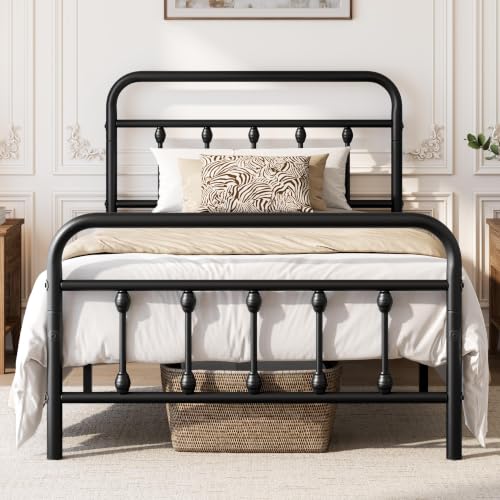
Yaheetech Daybed Frame
Note its rail shape, support description, finish, and whether a trundle is offered, then confirm current listing details directly before any decision. Qualitative tier: mid range positioning for most shoppers. Best for readers whose room suits this direction. Not suited for anyone who has not checked included parts and mattress needs.
The most honest sentence about a daybed is this: the seat depth is bed depth. A sofa is designed so your feet can rest on the floor while your back meets the cushion. A daybed is deeper, so sitting upright takes intention. Long bolsters along the back rail, firm throw pillows, or a rolled blanket behind your knees change the posture completely. Without that support, people perch on the edge or curl sideways, and then they blame the frame for a problem that is really about arrangement. With that support, the same daybed becomes a generous reading perch, a place for a child to spread out books, and a lounge that invites you to stay longer than a chair would.
Assembly deserves respect, especially with metal frames. The pieces are long, the rails can swing, and a frame that looks light in a photograph can feel awkward when you are trying to hold a side rail level while threading a fastener. Plan on two people for metal frames. Lay every part out first, match pieces to the instructions before tightening anything fully, and keep fasteners in a bowl so nothing vanishes into carpet. Work on a rug or blanket to protect floors and finishes. Leave final tightening until the frame stands square, then go around again in sequence. Rushing assembly is the most common route to a wobble that people later blame on the design.
Mattress support is quiet, unglamorous, and decisive. Most daybeds rely on slats or a linked support surface under the twin mattress. What matters in plain language is evenness: the mattress should feel supported across its whole length, without a sagging middle or a hard ridge at the edge. Press along the surface with your hands before the first night, lie down and roll slowly from back to side, and listen. Creaks that appear on night one rarely improve on their own. Tighten what the maker allows you to tighten, reseat anything that sits crooked, and stop using a damaged support piece until it is replaced or repaired properly.
Trundle versions add a second twin surface that rolls out from underneath. That extra bed is wonderful for siblings, cousins, and overnight guests, and it disappears during the day in a way a second permanent bed never could. It also asks for care. Keep fingers clear of hinges, linkages, and moving joints whenever you pull the trundle out or push it back. Move it slowly, with both hands, and never let a child treat the mechanism as a ride or a step. Casters roll most happily on hard floors; on thick carpet they drag, catch, and tempt people to yank. A low, smooth surface or a hard-floor room makes the whole routine calmer and safer.
Setup and Care That Reduce the Cons
The most honest sentence about a daybed is this: the seat depth is bed depth. A sofa is designed so your feet can rest on the floor while your back meets the cushion. A daybed is deeper, so sitting upright takes intention. Long bolsters along the back rail, firm throw pillows, or a rolled blanket behind your knees change the posture completely. Without that support, people perch on the edge or curl sideways, and then they blame the frame for a problem that is really about arrangement. With that support, the same daybed becomes a generous reading perch, a place for a child to spread out books, and a lounge that invites you to stay longer than a chair would.
Long term care is straightforward and mostly about attention. Vacuum upholstered sides with a soft attachment, wipe metal and wood with a slightly damp cloth and dry them, and keep bedding washed and fully dry before making the bed again. Rotate the twin mattress as its maker recommends, check slats and supports when you change sheets for a deeper clean, and retighten accessible fasteners if the frame develops movement. Sunlight fades fabrics over time, so a daybed that lives under a bright window may need a throw over the back rail. None of this is difficult; all of it is easier when it becomes part of the normal rhythm of the room.
Mattress support is quiet, unglamorous, and decisive. Most daybeds rely on slats or a linked support surface under the twin mattress. What matters in plain language is evenness: the mattress should feel supported across its whole length, without a sagging middle or a hard ridge at the edge. Press along the surface with your hands before the first night, lie down and roll slowly from back to side, and listen. Creaks that appear on night one rarely improve on their own. Tighten what the maker allows you to tighten, reseat anything that sits crooked, and stop using a damaged support piece until it is replaced or repaired properly.
Trundle versions add a second twin surface that rolls out from underneath. That extra bed is wonderful for siblings, cousins, and overnight guests, and it disappears during the day in a way a second permanent bed never could. It also asks for care. Keep fingers clear of hinges, linkages, and moving joints whenever you pull the trundle out or push it back. Move it slowly, with both hands, and never let a child treat the mechanism as a ride or a step. Casters roll most happily on hard floors; on thick carpet they drag, catch, and tempt people to yank. A low, smooth surface or a hard-floor room makes the whole routine calmer and safer.
Strengths and Trade-Offs at a Glance
Strengths
- A real twin bed every night, with no folding mechanism to wrestle.
- Generous, enclosed seating that suits reading, resting, and shared rooms.
- A footprint that lets one room serve as study, living space, and guest room.
Trade-Offs
- Sofa style sitting needs bolsters because the seat is bed deep.
- Daily bed making happens in public view in shared rooms.
- Trundles trade away under bed storage and need careful, slow handling.
Think about who sleeps here most often, not who might visit once a year. A daybed that serves a teenager every night needs a mattress chosen for nightly sleep and support that feels even and quiet. A daybed that hosts a guest twice a year can prioritise daytime looks a little more, though a guest still deserves a decent mattress rather than the thinnest pad available. A child who is moving from a smaller bed may love the enclosed feeling of three sides. An older guest may find a very low frame harder to rise from. Match the height, the mattress feel, and the bedding to the real sleeper, and the occasional visitor will still be well served.
A daybed looks simple from across the room, and that simplicity is exactly why people misjudge it. It is a twin bed with three raised sides, which means the frame gives you back support along the long edge and at both ends, while the sleeping surface stays the size of a standard twin mattress. By day those three sides suggest a deep sofa. By night the same surface is a real bed, not a folded mechanism and not a thin pad on the floor. Holding both truths at once is the starting point for every good decision in this guide. If you expect sofa depth, you will be disappointed without bolsters. If you expect only a spare bed, you will miss how much daily seating, reading, and quiet work the piece can carry in a small room.
Room placement shapes everything. Against a wall, the long back rail does its best work and the room keeps a clear walking path. Floating a daybed in the middle of a room rarely works, because the back is not finished as a room divider in most designs and the depth eats circulation space. Leave honest room on the open side for feet, for making the bed, and for a trundle to roll out fully without meeting a coffee table. Measure the doorway and the turn into the room, not just the wall where the bed will sit. Many returns and regrets begin with a hallway corner, not with the product itself.
Daybeds reward people who like one room to do two jobs without looking like a compromise. A study that becomes a guest room, a nursery that later becomes a childs bedroom, a living room in a small apartment where a permanent sofa and a permanent bed cannot both fit, these are the natural homes for this furniture. The daybed does not fold, unfold, or convert with levers. You change pillows and bedding, and the room changes purpose. That simplicity is the appeal and also the limit: the bed is always visibly a bed in shape, even on its most sofa-like day, and styling has to work with that fact rather than pretend it away.
related daybed and guest bed reading
related daybed and guest bed reading
related daybed and guest bed reading
related daybed and guest bed reading
related daybed and guest bed reading
related daybed and guest bed reading
related daybed and guest bed reading
related daybed and guest bed reading
related daybed and guest bed reading
related daybed and guest bed reading
related daybed and guest bed reading
related daybed and guest bed reading
The Trade-Offs in Daily Life: Where a Daybed Earns Its Place and Where It Does Not
Buying a daybed takes an afternoon; living with it happens at the room that must work as both seating and sleeping space, while hosting an overnight guest in a room that is a study or lounge by day, and that daily reality is what this section judges. Judge in this order: routine first, space second, features last. Reversing that order is how most disappointing purchases of a daybed begin. Start with the mattress size and trundle or storage arrangement against the room layout. If that check fails, stop there, since the remaining virtues of any daybed are built on a foundation your home has already rejected. Delegation exposes weak choices. A daybed that only works in one person’s hands, with one person’s knack, is a fragile solution for a shared home.
Storage between uses is part of ownership, so decide where the daybed and anything it needs will live when idle, and be honest if the only answer is a surface you cannot spare. The honest verdict on a daybed is usually conditional, excellent for one household pattern and mediocre for another, and locating your own pattern is the real work of this section. A slightly less capable daybed that stays clean will outperform a superior one that is neglected, which is why care burden belongs near the top of any comparison. Lists of advantages and disadvantages flatten real life, so translate each point into a frequency: something that happens daily outweighs something that happens twice a year, whatever the bullet points suggest.
- Mark each disadvantage with whether a simple habit can manage it.
- Mark each advantage with how often it will actually matter.
- Give daily annoyances more weight than twice-a-year inconveniences.
- Test the verdict against your busiest week rather than your easiest.
- Choose the compromise your household complains about least.
Where the daybed involves weight, heat, blades, water or power, and most do in some combination, the safe choice is the one whose correct use is also its easiest use. The opposite mistake is just as costly over time: a daybed that is slightly too small, too light or too basic for a daily routine will be resented long after the saving is forgotten. Keep the paperwork, digital or printed, in one known place: instructions, guarantee details and the measurements you took. Future you, troubleshooting at an inconvenient hour, will be grateful. Attention is a budget too. A daybed that needs remembering, scheduling, monitoring or special handling spends it, so count that cost alongside the physical ones.
Frequently Asked Questions
Does a daybed use a normal twin mattress?
Yes, a daybed is built around a twin mattress, which is why bedding is easy to find and why the seat feels so deep. That shared size is convenient, but it also means mattress choice matters twice: the same mattress has to sleep well at night and sit sensibly during the day. A very soft mattress can feel lovely for sleeping and unhelpfully sinky for sitting, while a firmer one supports daytime posture better. Most households do best with a balanced feel, plus bolsters for sitting, rather than trying to make the mattress alone solve both jobs.
Why does a daybed feel too deep to sit on?
Because the depth is bed depth, not sofa depth, and that is normal rather than a defect. Your back is farther from the edge than it would be on a sofa, so your feet may not rest flat unless you add support behind you. Long bolsters along the back rail are the classic fix, supported by firm pillows for shorter sits. Once that back support moves closer to your body, the posture becomes natural and the generous depth turns into an advantage for reading, lounging, and stretching out with a book or a laptop.
Is a trundle worth choosing?
A trundle is worth choosing when you genuinely host a second sleeper often enough to value a bed that disappears by day. It is less worthwhile when the under bed space would serve you better as storage, or when thick carpet will fight the casters every time. If you do choose one, move it slowly, keep fingers clear of hinges and moving parts, and practise the motion before a guest night. A trundle that is calm and predictable to use gets used; one that drags and pinches at your patience gets left shut.
Can children sleep on a daybed safely?
Children can sleep on a daybed with the same ordinary care you would give any bed. Adults should set the bed up, check rails and gaps with the actual sleeper in mind, keep bedding tidy, and make clear that rails are not for climbing. Very young children need the closest supervision and the most conservative bedding choices, as they do in any sleep space. Teach children how the trundle moves only by watching an adult do it, and keep small fingers away from moving joints. Calm routines, not fear, are the goal.
How hard is a daybed to assemble?
Most daybeds are manageable for patient beginners, and metal frames in particular are a two person job because the rails are long and awkward to hold level alone. Lay parts out, identify everything before tightening, and keep the instructions open rather than guessing from the photograph. Tighten fully only when the frame stands square. If a step feels forced, stop and recheck alignment instead of using strength to persuade metal or wood into place. An unhurried assembly almost always produces a quieter, steadier frame.
What bedding works best on a daybed?
Twin bedding that tucks cleanly works best, because the bed is on show during the day. A fitted sheet, a washable cover or quilt that can be smoothed flat, and pillows with a planned nighttime home keep the changeover quick. Many people keep daytime bolsters and cushions in a limited palette so the piece reads as seating, then swap in sleeping pillows at night. Choose fabrics you can wash often without special handling. The best bedding system is the one you will actually reset each morning without resenting it.
Related Reading
Use the linked guides in this cluster together: the review forms judge the category in daily use, the buying guide and choosing guide turn criteria into a shortlist, the pros and cons page weighs the exchange honestly, and the worth it page tests whether the exchange suits your household at all. Reading two or three of them before ordering is the simplest way to avoid buying a daybed for a job it was never meant to do.
A daybed looks simple from across the room, and that simplicity is exactly why people misjudge it. It is a twin bed with three raised sides, which means the frame gives you back support along the long edge and at both ends, while the sleeping surface stays the size of a standard twin mattress. By day those three sides suggest a deep sofa. By night the same surface is a real bed, not a folded mechanism and not a thin pad on the floor. Holding both truths at once is the starting point for every good decision in this guide. If you expect sofa depth, you will be disappointed without bolsters. If you expect only a spare bed, you will miss how much daily seating, reading, and quiet work the piece can carry in a small room.
The most honest sentence about a daybed is this: the seat depth is bed depth. A sofa is designed so your feet can rest on the floor while your back meets the cushion. A daybed is deeper, so sitting upright takes intention. Long bolsters along the back rail, firm throw pillows, or a rolled blanket behind your knees change the posture completely. Without that support, people perch on the edge or curl sideways, and then they blame the frame for a problem that is really about arrangement. With that support, the same daybed becomes a generous reading perch, a place for a child to spread out books, and a lounge that invites you to stay longer than a chair would.
Trundle versions add a second twin surface that rolls out from underneath. That extra bed is wonderful for siblings, cousins, and overnight guests, and it disappears during the day in a way a second permanent bed never could. It also asks for care. Keep fingers clear of hinges, linkages, and moving joints whenever you pull the trundle out or push it back. Move it slowly, with both hands, and never let a child treat the mechanism as a ride or a step. Casters roll most happily on hard floors; on thick carpet they drag, catch, and tempt people to yank. A low, smooth surface or a hard-floor room makes the whole routine calmer and safer.
For children, use the same calm bed care you would use anywhere else. Check that gaps around rails and ends feel sensible for the sleeper who will actually use the bed, keep bedding from bunching into loose piles for very young children, and teach children that the back and side rails are for support, not climbing. A daybed is not a bunk and it is not a playground frame. Adults should make the bed up, test the slats, and do the first few trundle movements themselves so the motion is familiar before a young guest tries to help. Small habits, repeated, matter more than any single feature on a product page.
Mattress support is quiet, unglamorous, and decisive. Most daybeds rely on slats or a linked support surface under the twin mattress. What matters in plain language is evenness: the mattress should feel supported across its whole length, without a sagging middle or a hard ridge at the edge. Press along the surface with your hands before the first night, lie down and roll slowly from back to side, and listen. Creaks that appear on night one rarely improve on their own. Tighten what the maker allows you to tighten, reseat anything that sits crooked, and stop using a damaged support piece until it is replaced or repaired properly.
Assembly deserves respect, especially with metal frames. The pieces are long, the rails can swing, and a frame that looks light in a photograph can feel awkward when you are trying to hold a side rail level while threading a fastener. Plan on two people for metal frames. Lay every part out first, match pieces to the instructions before tightening anything fully, and keep fasteners in a bowl so nothing vanishes into carpet. Work on a rug or blanket to protect floors and finishes. Leave final tightening until the frame stands square, then go around again in sequence. Rushing assembly is the most common route to a wobble that people later blame on the design.
Fabric and finish change how a daybed lives day to day. Painted metal wipes clean and suits spare rooms, rentals, and busy family spaces, but it can feel visually cool in a bedroom that wants softness. Upholstered sides soften the look and the lean, and they reward gentler cleaning and more patience with lint, crumbs, and pet hair. Wood brings warmth and weight, and it can make a daybed feel like furniture rather than equipment. None of these is automatically better. The right choice follows the room: who sits here, who sleeps here, how often bedding is washed, and how much visual calm you want the piece to bring.
Bedding is not an afterthought, because a daybed is made and unmade in public. Unlike a bed tucked in a private bedroom, this one is often in a living room, study, or shared childrens room, so the daytime look matters. A fitted twin sheet, a cover that tucks cleanly, and a small stack of pillows that have a home at night solve most of the friction. Choose covers you can wash without dread. Keep the nighttime pillows somewhere deliberate, a basket, a closet shelf, or the trundle itself when it is not in use, so converting from sofa mode to sleep mode takes minutes rather than a scavenger hunt.
Room placement shapes everything. Against a wall, the long back rail does its best work and the room keeps a clear walking path. Floating a daybed in the middle of a room rarely works, because the back is not finished as a room divider in most designs and the depth eats circulation space. Leave honest room on the open side for feet, for making the bed, and for a trundle to roll out fully without meeting a coffee table. Measure the doorway and the turn into the room, not just the wall where the bed will sit. Many returns and regrets begin with a hallway corner, not with the product itself.
Think about who sleeps here most often, not who might visit once a year. A daybed that serves a teenager every night needs a mattress chosen for nightly sleep and support that feels even and quiet. A daybed that hosts a guest twice a year can prioritise daytime looks a little more, though a guest still deserves a decent mattress rather than the thinnest pad available. A child who is moving from a smaller bed may love the enclosed feeling of three sides. An older guest may find a very low frame harder to rise from. Match the height, the mattress feel, and the bedding to the real sleeper, and the occasional visitor will still be well served.