Disclosure: As an Amazon Associate, airfryerkitchensupply.com earns from qualifying purchases. Links to Amazon on this page are affiliate links; they cost you nothing extra. Listing details such as price and availability change often, so check the current Amazon listing before you buy.
The best printed microfiber towels combine a fast drying synthetic fabric with a pattern you actually enjoy looking at, whether that is a floral kitchen towel, a bold yoga mat towel or a lightweight gym towel in a loud geometric print. After comparing six real towel lines, our short answer is this: pick the Kay Dee Designs Dual Purpose Terry Towel if you want a printed towel for the kitchen, and pick one of the mat or gym towels if the print matters most for workouts and carry bags.
This guide is written for shoppers who want color and personality, not plain white or gray. You will find a quick picks table, a full section on each product with strengths and one honest limitation, a side by side comparison, a buying checklist and a list of mistakes to avoid. Everything here comes from maker listings and published descriptions, so always confirm size and pack count on the product page before you order.



In this guide
Quick Picks for Printed Microfiber Towels
| Pick | Best for | Link |
|---|---|---|
| Best overall printed towel: Kay Dee Designs Dual Purpose Terry Towel | Kitchen counters and dish drying with a seasonal print | Check on Amazon |
| Best designer look: Zwipes Designer Series Microfiber Kitchen Towel | Shoppers who want a pattern that suits a styled kitchen | Check on Amazon |
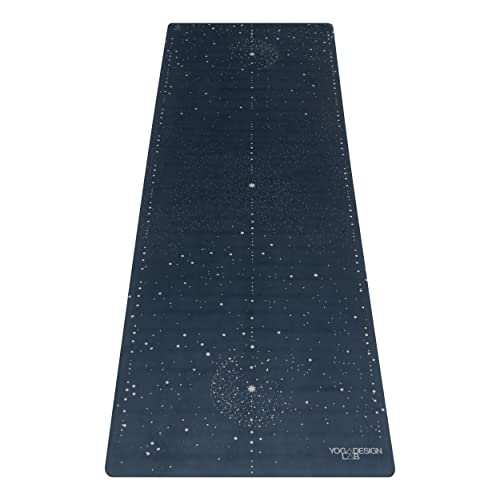
| Best for yoga and studio bags: Yoga Design Lab Combo Yoga Mat Towel | Full print coverage across a mat | Check on Amazon |
| Best premium option: Manduka eQua Yoga Towel | Buyers who want a refined, well known brand | Check on Amazon |
| Best value for money wording: Gaiam Yoga Mat Towel | A simple everyday towel with a bright design | Check on Amazon |
| Best for small spaces and gym bags: Sukeen Microfiber Towel | Compact carrying and quick packing | Check on Amazon |
Why Printed Microfiber Is Different From Plain Microfiber
Microfiber is a blend of very fine polyester and polyamide fibers. The fibers are thin enough that a towel can feel soft while still holding a good amount of water for its weight. Printing adds a second layer of decisions. Some towels are printed on the surface only, while others are woven or dyed through the cloth. A surface print on a thin towel can look vivid on day one and calm down after many washes, which is normal for any printed fabric.
For a buyer, the practical point is that the print should match the job. A busy pattern hides drips and marks on a kitchen towel, which is a real advantage. A bold stripe or geometric repeat on a mat towel helps you tell it apart from your neighbor in a crowded class. A small repeating motif looks neat on a towel that hangs from an oven door in plain view.
Printed towels also vary in feel. A flat, smooth weave feels sleek and dries quickly. A terry style microfiber feels closer to cotton and tends to hold a little more water. Neither is wrong; they suit different habits, and the sections below point out which each product leans toward.
1. Kay Dee Designs Dual Purpose Terry Towel
Who it suits: Home cooks who change their kitchen decor with the seasons and want a towel that works hard rather than just looking decorative.
Kay Dee Designs is known for printed kitchen textiles, and this dual purpose terry towel is one of the more familiar items in the line. It is built around a looped terry surface on one side and a smoother face on the other, so you can use it to dry dishes or to wipe counters.
- The printed designs change by season and theme, which makes it easy to match a holiday table or a color scheme.
- The terry loops give it a more cotton like feel than a flat microfiber cloth.
- The size suits an oven handle or a drawer pull, so it stays within reach.
Honest limitation: Designs rotate, so a pattern you like may not be listed later, and matching a second towel months afterward can be hard. Check the listing for the current design and size.
In daily use, a towel like this earns its place by being close at hand. Hanging it from an oven handle or a cabinet door means you reach for it instead of grabbing a paper towel, and the print means it looks planned rather than improvised. It is a sensible first printed purchase because the cost of being wrong about a pattern is small, and the towel itself is a familiar format that most people know how to use and wash.
Choose it if you want a decorative towel that is still meant for daily kitchen work. Skip it if you need a very large towel for drying a car or a big surface.

2. Zwipes Designer Series Microfiber Kitchen Towel
Who it suits: Shoppers who want to buy a pack, rotate towels through the week and enjoy a bit of pattern variety.
Zwipes is better known for its cleaning cloth packs, and the Designer Series brings printed designs to its kitchen towel format. The idea is to give you a cloth that looks at home on a kitchen counter rather than tucked inside a cleaning caddy.
- The printed finish makes it feel more like a kitchen accessory than a utility rag.
- Multiple towels in a pack let you keep a clean one ready while another dries.
- Microfiber construction means it dries between uses faster than a thick cotton towel.
Honest limitation: Pack contents and print choices can change from listing to listing, so look carefully at the number of towels and the exact pattern shown.
Having more than one towel changes how a kitchen runs. One can sit by the sink for wet hands and rinsed plates, another by the stove for lids and handles, and a third waits clean in a drawer. Designer prints make that arrangement look tidy rather than chaotic, and since microfiber dries quickly between uses, rotating them is easy. Check the listing images for the exact designs included before you order.
Choose it if you like a coordinated set you can hang in different spots. Skip it if you prefer a single heavyweight towel that feels like thick terry.
3. Yoga Design Lab Combo Yoga Mat Towel
Who it suits: Anyone who wants a printed towel that doubles as a colorful mat topper for home practice or studio classes.
Yoga Design Lab built its name on bold artwork, and the Combo towel is sized to lie across a standard yoga mat. For a shopper searching for printed microfiber, it is the clearest example of a towel where the pattern is the main reason to buy.
- The print is the main attraction of the product, with designs that range from calm gradients to graphic repeats.
- It is sized to cover a full mat, which gives the pattern room to show.
- Microfiber means it folds small and can be rinsed and hung after a session.
Honest limitation: It is designed for mats rather than kitchens, so using it as a dish towel would be a stretch. Confirm the dimensions on the listing before you decide.
Think of this one as the fun, expressive choice. If your practice space is a corner of the living room, a printed towel on the mat adds color to the room and gives you something pleasant to look at when you roll the mat out. It also folds down small, so storing it in a basket or a closet shelf is simple. Read the listing for the exact size and the available designs.
Choose it if you want art you can use. Skip it if your goal is a kitchen towel set.

4. Manduka eQua Yoga Towel
Who it suits: Buyers who treat their gear as a long term purchase and prefer a name with a studio following.
Manduka is a brand many yoga students recognize, and the eQua towel is its microfiber option. It is available in several colors and designs, and its look is cleaner and more restrained than the louder prints in this list.
- A recognized brand name gives some comfort when you compare it with lesser known options.
- The microfiber construction is meant to dry quickly after a session.
- The color palette leans modern, which suits shoppers who like a polished look.
Honest limitation: It sits at the premium end of this list, and the print is quieter than a fun, colorful pattern might suggest. Compare the listing images with your expectation.
Because the look is more restrained, this towel also fits people who dislike loud patterns but still want something better looking than plain gray. If you share a studio space or a locker room, a recognizable and tidy towel is easy to spot. As with any premium purchase, read the product details and compare the colors on offer, since the palette can vary by listing.
Choose it if you want a refined printed towel from a brand with a following. Skip it if you want the loudest pattern available.

5. Gaiam Yoga Mat Towel
Who it suits: Casual exercisers who want something bright and easy to replace.
Gaiam is a long standing fitness accessory brand, and its mat towel appears in a range of colors and prints. It is a straightforward product with no unusual features, which is part of its appeal.
- The designs lean cheerful, which suits a first towel for home workouts.
- It is easy to find replacements or add a second color later.
- Microfiber means it takes little room in a drawer or tote bag.
Honest limitation: It is a simple towel, so do not expect the thicker feel of terry or the extra details of a designer product.
This is the towel to consider if you are building a small kit and do not want to overthink it. Pick a color that you like, add a mat if you do not have one yet, and you are set. It also makes a straightforward gift, since the format is familiar and the colors are cheerful. Check the listing to see the sizes and designs currently on offer.
Choose it if you want a colorful, no fuss option. Skip it if you want a premium finish or a kitchen specific cloth.

6. Sukeen Microfiber Towel
Who it suits: People who want a compact, printed or colored towel for the gym bag, travel pouch or a sports trip.
Sukeen sells a popular line of lightweight towels sold in multiple sizes and colors. The product is aimed at gym, sport and travel, so it makes a useful counterpart to the mat towels above.
- It packs small, which helps when bag space is tight.
- Several sizes are usually offered, so you can match the towel to the task.
- The lightweight cloth is meant to dry quickly after use.
Honest limitation: Color choices are more common than elaborate prints, so check the listing carefully if a pattern is your top priority.
A small towel earns its keep by being in the bag when you need it. Keep one in the gym tote, one in the car and one in a travel pouch, and you will rarely be caught without something to dry your hands or face. Because it is light, it adds almost nothing to the weight of a bag, and because it is microfiber, it can be rinsed and hung to dry after use. Look at the available sizes and choose the one that fits your bag.
Choose it if you want a small towel to carry anywhere. Skip it if you want a decorative kitchen towel.
Side by Side Comparison
| Product | Size | Material | Key feature | Best use | Link |
|---|---|---|---|---|---|
| Kay Dee Designs Dual Purpose Terry Towel | Standard kitchen towel | Microfiber terry | Seasonal prints | Dish drying and counters | Check on Amazon |
| Zwipes Designer Series Microfiber Kitchen Towel | Kitchen towel, multi pack | Microfiber | Designer prints | Everyday kitchen rotation | Check on Amazon |
| Yoga Design Lab Combo Yoga Mat Towel | Full mat size | Microfiber | Bold artwork | Yoga mat topper | Check on Amazon |
| Manduka eQua Yoga Towel | Mat size options | Microfiber | Refined colors | Studio classes | Check on Amazon |
| Gaiam Yoga Mat Towel | Mat size | Microfiber | Bright, simple design | Home workouts | Check on Amazon |
| Sukeen Microfiber Towel | Several sizes | Microfiber | Compact and light | Gym, sport and travel | Check on Amazon |
How to Choose a Printed Microfiber Towel
Use this checklist before you add anything to your cart. It takes a minute and saves a return later.
- Decide the job first. Kitchen drying, workouts, travel and cleaning each need a different shape and thickness. A pattern cannot fix a towel that is the wrong size for the task.
- Look at the size on the listing. Photos can make a small towel look large. Read the dimensions and compare them with a towel you already own.
- Check how the print is made. If the listing says the pattern is woven or dyed in, expect it to hold its look longer than a thin surface print.
- Think about pattern and mess. Busy, dark or mid tone prints hide marks better than a light solid on a working kitchen towel.
- Count what is in the pack. A multi pack lets you rotate towels, while a single premium towel suits someone who wants one dependable piece.
- Read the care label. Microfiber usually likes gentle washing and no fabric softener, but follow the maker instructions rather than a general rule.
- Match the feel to your hands. Flat weave towels feel sleek, while terry style microfiber feels closer to cotton.
Common Buying Mistakes
The first mistake is buying on the picture alone. Product photos are often cropped and brightened, so a pattern can look larger and more vivid than it will in your kitchen. Look at every image and any customer photos on the listing.
The second is ignoring the intended use. A yoga mat towel is cut to fit a mat, and a gym towel is often narrow. If you plan to dry a stack of plates, a kitchen towel will do the job far better.
The third is assuming that every microfiber towel feels the same. The cloth varies widely between brands and between product lines. If you dislike a slick feel, look for the terry or looped styles instead.
The fourth is forgetting about care. Hot dryer heat and fabric softeners are commonly discouraged for microfiber. Reading the care label on arrival keeps a colorful towel looking good for longer.
Matching Prints to Rooms and Routines
A printed towel works best when it belongs to a clear spot in your day. In the kitchen, small repeating patterns such as dots, checks or tiny florals look tidy and tend to hide marks between washes. Larger scenic prints can look lovely on a hook but may feel busy beside a patterned backsplash, so consider your tile, curtains and countertop before you choose.
In a workout space, the rules change. Bold gradients and graphic shapes help a mat towel stand out, and color can lift your mood on a gray morning. If you use a shared studio, an eye catching print also makes your towel easy to recognize at the end of a class.
For travel and bags, solid colors with a small accent are often more practical than a complex print, because a compact towel shows less of the pattern when folded. If you like variety, buy two different colors and keep one at home and one in your bag so neither is ever missing when you need it.
Finally, think about gifts. A printed towel is an easy present for a host, a new cook or a yoga student, because the pattern makes it personal without needing to know anything about their tastes beyond a favorite color.
Care and Daily Use
Wash printed microfiber with similar colors the first few times, because new dyes can release a little color. Use a mild detergent and follow the temperature on the label. Many makers advise against fabric softener since it can coat the fibers and reduce absorbency.
Hang a kitchen towel where air can reach it between uses. A towel that is crumpled and damp for long stretches tends to smell stale, no matter what it is made of. Rotate two or three towels through the week so each one has time to dry fully.
Final Recommendation
Here is how we would match each buyer to a pick from the list above.
- For the kitchen: Kay Dee Designs Dual Purpose Terry Towel is the most useful for daily drying and wiping with a seasonal print.
- For a coordinated set: Zwipes Designer Series Microfiber Kitchen Towel gives you several towels to rotate.
- For workouts with style: Yoga Design Lab Combo Yoga Mat Towel has the boldest prints here.
- For a brand you can trust: Manduka eQua Yoga Towel suits those who prefer a refined look.
- For bags and travel: Sukeen Microfiber Towel packs smallest.
If you only buy one thing today, choose the kitchen pick for home use or the Yoga Design Lab towel for movement and studio use. Open the listings below, compare the pattern and size, and order the one that fits your routine.
Choosing Printed Microfiber Towels With More Care: The Details That Matter Most
The main guide above covers the essentials. This section goes one level deeper, into the details that separate a towel you are happy with for a month from one you are happy with for years. A printed microfiber towel promises two things at once — the performance of microfiber and a design you actually want on the hook — and the interesting question is how the two affect each other. Work through these four checks and most buying mistakes in this category simply never happen.
How the print is applied
Prints on microfiber are usually surface-printed or dyed into the fibers, and the difference shows in feel and longevity. A print that sits stiffly on the surface can reduce the fibers’ grab exactly where the design is darkest; a print integrated into the cloth keeps the texture even. Flex the printed area in your hand: it should move like cloth, not like a label. The printed face and the plain face may perform differently — many printed towels are designed to work print-side out and wipe with the reverse.
Which face does the work
Read the towel’s intention: some are printed on one side for display and built to work on the other; some print both sides. For kitchen use, a smooth working face matters for glass; for yoga and sport, the printed face’s grip is the point. Buy knowing which side you will use, and test that side on your real surfaces — a towel judged on its display face alone can disappoint in the hand.
Microfiber quality beneath the art
The design earns the glance; the fiber earns the drawer space. Apply the usual tests — density, grab on dry skin, edge quality — exactly as you would to a plain cloth. A beautiful print on poor microfiber is a poster that streaks. The best printed towels hide a serious cloth under the art, and you can feel it before you ever look at the pattern twice.
Design scale for the towel’s real life
A print is seen folded, draped and bunched more often than flat. Large motifs can vanish into a fold; all-over patterns survive any hang. Think about how the towel will live — on a hook, over a rail, spread on a yoga mat — and choose the scale that reads well in that state. For mats and display, the full flat design matters; for the kitchen rail, all-over is the honest choice.
Printed Microfiber Towels in Everyday Life
Specifications are tidy; real life is not. Here is how the choice plays out in the situations where these towels actually earn their keep.
The kitchen that wants color without lint
Printed microfiber lets a kitchen have patterned towels that still leave glass clean — a combination cotton prints cannot offer. Assign the printed cloths to glass, steel and finishing work where their lint-free pass matters, and let cotton carry the heavy, greasy loads. Hung on the rail, the prints do the decorating; at the sink, the fibers do the work. It is the rare case of the pretty option also being the technical one.
Yoga and fitness practice
On a mat, a printed microfiber towel is grip, hygiene and mood in one layer: it keeps hands planted, keeps your practice off a shared surface, and the design marks your space in a crowded studio. The print also has a practical side — it shows you at a glance which face is up and which end is yours, small orientations that matter mid-flow. Choose prints that stay calm under studio light; you will be looking at this design at close range, breathing hard.
Travel and the one-towel kit
A printed microfiber towel is the traveler’s favorite kind of souvenir: flat, light, useful daily and printed with the place. In a one-towel kit it must do everything — wash, dry, sit, wrap — and microfiber’s quick drying makes that possible where cotton would fail by day two. The print earns its keep by making the towel findable in a shared dorm and by turning a purely practical object into the trip’s small luxury.
Odor and Stain Troubleshooting, Step by Step
Sooner or later every working towel meets a stain that sets or a smell that survives the wash. A printed microfiber towel promises two things at once — the performance of microfiber and a design you actually want on the hook — and the interesting question is how the two affect each other. The order in which you tackle these problems matters more than any special product: act early, treat before you wash, and never let heat set what water could have removed.
Smells: strip the build-up first
A towel that smells fine out of the wash but turns sour as soon as it gets wet is usually carrying a build-up of detergent, body oils and minerals rather than a hygiene problem. The fix is a reset wash: hot water as the care label allows, a normal measure of detergent, and an extra rinse — or, if the build-up is heavy, a first wash with no detergent at all so the rinse water can carry the residue away. Then dry the towel completely and promptly. If the smell survives two honest reset washes, the fibers are holding damage no routine will reverse, and the towel belongs in the demotion pile.
Stains: cold, quick and patient
For stains, speed beats strength. Rinse or blot the mark with cold water as soon as you can — heat, including a hot wash or the dryer, can set many common stains permanently. Work from the back of the fabric so the stain is pushed out the way it came in rather than deeper. A little detergent worked in gently and left to sit before washing handles most everyday marks. Colored towels deserve a cautious approach: test any stronger treatment on a hidden corner first, and accept that a faint shadow on a hard-working towel is a badge of service, not a failure.
Prevention that actually works
Most odor and stain trouble is prevented by three unglamorous habits: hang the towel to dry the moment its job is done instead of leaving it in a heap, wash working towels promptly rather than letting them sit damp in a hamper for days, and keep one older towel assigned to the messiest jobs so your good towels never meet them. Prevention is boring, but it is the whole secret.
Test a New Towel at Home Before You Commit to a Full Set
Listings can tell you a towel’s size, fiber and pack count, but they cannot tell you how it will behave in your own routine. A printed microfiber towel promises two things at once — the performance of microfiber and a design you actually want on the hook — and the interesting question is how the two affect each other. A short home test, done in the first few days while returns are still simple, tells you more than any product photo. You do not need special equipment — just the jobs you already do every day, done a little more deliberately than usual.
Start with the first wash
Wash the towel once, following the care label, before you judge anything. New towels often carry a light finish from manufacturing that makes them feel smoother in the packet than they will in use, and that finish can also make water bead on the surface at first. After one wash you are testing the towel you will actually live with. Note how much lint comes away in the wash and the dryer, whether the color stays even, and whether edges and hems lie flat or start to curl. A small amount of lint early on is normal for many fabrics; lint that keeps shedding heavily after several washes is a sign the towel will thin out faster than you want.
Run the jobs you actually do
Next, put the towel through your three most common tasks, not the tasks in an advertisement. Dry the same kind of load you dry most often. Wipe the surface you wipe every day. Use it the way you will really use it, at the speed you really work. Pay attention to how quickly it picks up water, whether it pushes moisture around instead of absorbing it, how it feels when it is fully wet, and whether it is still comfortable to hold when the job is done. A towel that performs beautifully on a light task but gives up halfway through your biggest regular job is the wrong towel for you, however nice it looks folded.
Check the details that listings hide
Finally, look at the finishing. Seams and hems take the strain every time a towel is wrung, hung or pulled from a hook, so tug them gently and look for loose threads. Hold the fabric up to the light: thin, uneven patches in a new towel only get thinner. Check that the towel hangs the way you need it to hang — on your hook, rail or handle — without dragging or bunching. If the towel passes your wash, your jobs and your finishing check, ordering more of the same is a safe decision. If it fails one of them, you have learned that cheaply, with a single towel instead of a whole set.
Storage That Keeps Towels Fresh Between Uses
How a towel is stored matters almost as much as how it is washed. A printed microfiber towel promises two things at once — the performance of microfiber and a design you actually want on the hook — and the interesting question is how the two affect each other. A clean towel folded into a damp, airless cupboard will not stay fresh, and a towel hung badly after use may never dry at all. A few small changes to where and how towels live will keep them fresher for longer.
Airflow beats tidiness
The neatest stack in the house is not the healthiest place for a towel if air cannot move through it. Leave a little space between folded towels rather than compressing them into a solid block, and avoid storing towels in sealed plastic boxes unless they are completely dry and the storage is long term. In the bathroom and kitchen, the towel in use should hang spread out, not bunched: a wide, flat hang on a rail dries far faster than the same towel scrunched over a hook, and a towel that dries fast is a towel that stays sweet between washes.
Separate the clean, the working and the retired
Keep three informal zones: clean towels ready to go, the towel currently in service, and older towels kept for rough jobs. Mixing them invites mistakes — nobody wants to dry clean dishes with the towel that spent yesterday under a leaking pipe. A shelf, drawer or basket for each zone takes minutes to set up. In small spaces the zones can be as simple as front and back of one drawer, as long as everyone in the house knows which end is which.
Watch the room, not just the towel
Persistent musty smells are often a room problem wearing a towel costume. A bathroom that never dries out, or a kitchen cupboard against a cold, damp wall, will defeat any towel. Crack a window after showers where you can, leave cupboard doors ajar overnight now and then, and never put a towel away ‘for now’ while it is still damp with the intention of dealing with it later. Later is exactly when the smell sets in.
How the Picks in This Guide Differ in Practice
The reviews above describe each pick on its own terms. This section puts them side by side in the way a buyer actually decides — by priority. The picks covered are Kay Dee Designs Dual Purpose Terry Towel, Zwipes Designer Series Microfiber Kitchen Towel, Yoga Design Lab Combo Yoga Mat Towel, Manduka eQua Yoga Towel, Gaiam Yoga Mat Towel and Sukeen Microfiber Towel. None of them is the right answer for everyone; each earns its place for a different kind of household, and the honest differences between them matter more than any ranking.
Start with your dominant job. Every household has one task that accounts for most of its towel use, and the right pick is the one that performs that task best, even if it is merely adequate at the others. Buyers who choose by their rarest, most glamorous use case end up with a towel that is wrong fifty weeks a year. Read the per-pick reviews again with your dominant job in mind and notice how quickly the shortlist shortens itself.
Next, weigh the ownership experience rather than the first impression. Some picks ask more of you — a particular wash routine, a rotation, a little patience while they settle in — and repay that effort for years. Others ask nothing and give steady, unremarkable service. Neither profile is superior; the match between the towel’s demands and your household’s habits is what decides satisfaction. The most common disappointment in this category is a good towel living in the wrong routine.
Finally, consider buying in the order of your needs. If two picks appeal, the one that covers your daily work comes first; the specialist can follow later, when you know exactly which gap it fills. A drawer built this way — workhorse first, specialist second — ends up smaller, cheaper and better matched than a drawer bought all at once from a single afternoon’s enthusiasm.
Care Notes Specific to Printed Microfiber Towels
Wash printed microfiber as you would any microfiber — separately from lint, modest detergent, no softener — with one addition: turn printed towels inside out where the design allows, to spare the printed face friction in the drum. Avoid fierce heat, which is unkind to both fibers and prints. If the print begins to fade, retire the towel to plain-cloth duty where its looks no longer matter; the fibers often have years left after the art has softened, and a faded print on a working cloth is a fair retirement.
More Mistakes That Shorten a Towel’s Life
Beyond the buying mistakes covered earlier in this guide, these are the everyday errors that quietly undo good printed microfiber towels — each one easy to avoid once it has been pointed out.
Judging the print and skipping the cloth test
The design is the advertisement; the fiber is the product. Grab, density and edges decide whether it earns its hook.
Assuming both faces perform the same
On many printed towels they do not. Test the working face on glass before the set is bought, not after.
Washing them with the cotton loads
Lint coats microfiber and dulls print and performance together. The separate-load rule protects the art as much as the absorbency.
Using the display towel for the worst jobs
Grease and grit end prints early. Keep a plain cloth for the disasters and let the printed ones do the clean work they are best at.
Habits That Make the Difference
Give the towel air between jobs
The single most effective habit costs nothing: never leave a used towel in a heap. A towel spread over a rail, a tap or the back of a chair dries in a fraction of the time of the same towel balled on the counter, and drying is what stands between a fresh towel and a sour one. Build the hang into the end of every job — the last motion of wiping up is putting the towel where air can reach both its faces. In humid homes this habit matters more than any washing product you can buy, because a towel that dries fully every day rarely develops the deep, returning smell that forces early retirement.
Keep one honest spare within reach
Every towel system eventually faces the moment when the working towel is soaked, soiled or simply missing — and what happens next defines the system. If a clean spare is within arm’s reach, the moment costs two seconds. If it is in another room, the working towel gets used past its limit, or a good towel from another job gets conscripted. One spare, stored at the point of use and replaced whenever it is taken, is the cheapest insurance in the whole drawer.
Read the listing’s quiet details
The glamorous parts of a listing — the photographs, the headline claims — are the least useful parts. The dimensions, the fiber content, the pack composition and the care instructions are where the truth lives, and two minutes with them prevents most disappointments. Measure your space and compare real numbers rather than impressions of size. Check what a pack actually contains size by size. Towels are simple products; almost every regret in this category was visible in the small print before purchase.
Teach the system to the whole household
A towel routine known by one person is a hobby; known by everyone, it is a system. The rules worth teaching are few and physical: which towel lives where, what never crosses between jobs, and where a finished towel goes. Position teaches better than instruction — people follow the towel that is already hanging in the right place. When a new towel type joins the house, its place and its job should be decided on day one, not discovered by trial and error over a month.
Expect a break-in period
Many good towels are not at their best on day one. Finishes wash out, fibers relax, weaves settle — and the towel at week three is the towel you actually bought. Judge new towels after several washes rather than at first touch, and resist returning a sound towel for a first impression it was never going to keep. The exception is construction: loose hems, uneven weave and dye that will not settle are present from the start and do not improve. Learn to tell settling-in from genuine faults, and you will keep good towels and return bad ones with equal confidence.
Frequently Asked Questions
Will the print fade after washing?
All printed fabrics change a little over time. Follow the care label, avoid harsh heat and wash with similar colors to keep the pattern looking its best for longer.
Are printed microfiber towels good for drying dishes?
Kitchen oriented towels such as the Kay Dee and Zwipes options are made for that job. Mat and gym towels can do it in a pinch, but they are cut for other purposes.
What size should I choose?
Match the size to the task. A kitchen towel works for counters and plates, a mat towel is sized for a yoga mat, and a gym towel is smaller and easier to carry.
Can I use a yoga towel in the kitchen?
You can, but it may be larger than you need and the material may feel different from a dish towel. A kitchen specific towel is usually the better fit.
How many towels should I buy?
Two or three lets you rotate while one is drying. A single towel is fine for a gym bag or a yoga class.
What if the color looks different in person?
Screens vary, so a printed towel can look different when it arrives. Check the return terms on the listing before you order so you know your options.
Does microfiber go with fabric softener?
Many makers recommend avoiding it, because it can leave a coating that reduces absorbency. Read the care label for the maker advice on your specific towel.
Does printing reduce a microfiber towel’s absorbency?
Slightly, on heavily printed areas of some towels — ink on the surface can mask some of the fine fibers. Well-made printed towels minimize this by printing in a way that keeps the texture working, and the plain reverse usually performs at full strength. In practice the difference matters most on glass, where you should use the towel’s best face. For general drying, a good printed cloth performs indistinguishably from its plain sibling.
Can printed microfiber be used on hot surfaces or pans?
Treat it as you would any microfiber: it is a synthetic cloth, and synthetics and high heat are poor companions. Keep printed microfiber for drying, wiping and polishing at ordinary temperatures, and use cotton or proper mitts anywhere near real heat. This is also kind to the print, which heat ages faster than any wash.
How do I keep the print from cracking?
Cracking comes from heat, harsh washing and age working on a surface print. Wash inside out, cool to warm, skip high dryer heat, and do not iron the printed face. A print that flexes with the cloth from new is far less likely to crack than a stiff one — another reason the hand test at purchase predicts the towel’s whole life.
Are printed microfiber towels good for cleaning eyewear and screens?
The cloth family is ideal — it is what lens cloths are made of — but a large printed towel is not the tool; its print and size suit bigger work. Use small, plain, pristine microfiber for lenses and screens, and keep the printed towels for dishes, mats and travel. The rule is the pristine part: any cloth carrying kitchen grit is banned from glass of every kind.
Why does my printed towel leave the print’s outline on glass?
That ghosting usually means the printed face is carrying residue — detergent film or grease — that transfers in the pattern of least resistance. Wash the cloth clean, rinse it thoroughly, and use the reverse face for glass. If the cloth is clean and still ghosts, its printed face is simply not a finishing surface; assign it to drying and keep a plain cloth for the final polish.


