Disclosure: As an Amazon Associate, airfryerkitchensupply.com earns from qualifying purchases. Links to Amazon on this page are affiliate links; they cost you nothing extra. Listing details such as price and availability change often, so check the current Amazon listing before you buy.
The best microfiber towels set is the one that matches the jobs you do most often, and for most households that means a pack for the house, a pack for the car and one towel for travel. If you want a short answer, the Chemical Guys Workhorse Professional Microfiber Towel is a strong all round pick for car and garage use, the Zwipes Auto Microfiber Cleaning Cloths suit a general household set, and the Polyte Quick Dry Lint Free Microfiber Bath Towel is the one to look at when you want something bigger for the bathroom or a bag.
This guide compares six real towel and cloth lines that are sold as sets or packs. You will see who each one suits, three strengths, one honest limitation and a clear choose it or skip it line, followed by a comparison table, a checklist and a list of buying mistakes. The information comes from maker listings and published descriptions rather than our own use, so confirm the pack count, size and color range on each page before you order.
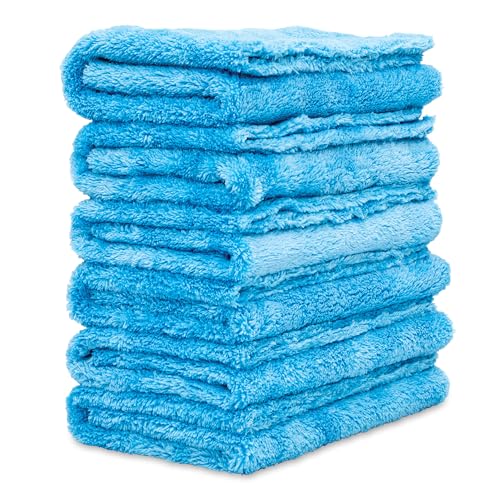


In this guide
Quick Picks for Microfiber Towel Sets
| Pick | Best for | Link |
|---|---|---|
| Best overall for the garage: Chemical Guys Workhorse Professional Microfiber Towel | Car care, glass and general detailing | Check on Amazon |
| Best for the whole house: Zwipes Auto Microfiber Cleaning Cloths | Everyday cleaning, dusting and drying | Check on Amazon |
| Best value for money wording: Kinhwa Microfiber Cleaning Cloth | Big households and frequent washers | Check on Amazon |
| Best premium option: Griot’s Garage Microfiber Edgeless Towels | Detail minded car owners | Check on Amazon |
| Best for car finishes: Meguiar’s Supreme Shine Microfiber Towels | Wipe down, polish removal and glass | Check on Amazon |
| Best for small spaces and travel: Polyte Quick Dry Lint Free Microfiber Bath Towel | Bathroom, gym and suitcase | Check on Amazon |
Why Buy a Set Instead of Single Towels
Microfiber is a working fabric. A single towel does the first job well, but by the time you have wiped a counter, buffed a faucet and cleaned a window, it is no longer the right tool for the next one. A set solves this by giving you enough towels to change cloths as often as you like without stopping to do laundry.
Sets also make it easier to organize by purpose. Many people keep one color for the kitchen, one for the bathroom and one for the car. That separation is a habit rather than a feature of the towels, but it is far easier when you own a pack with several colors or a few matching packs. Buying a set also usually lowers the cost of each towel compared with buying them one at a time, although you should always check the listing for the pack count and avoid comparing on the pack alone.
The trade off is storage and laundry. A large set needs a drawer or bin and a regular wash day. If you only need one towel for a gym bag, a set is more than you need. That is why this guide includes one bath style towel for travel along with the cleaning packs.
1. Chemical Guys Workhorse Professional Microfiber Towel
Who it suits: Car owners and garage users who want a classic detailing towel in a pack, and who may also pull a few into the house for glass and appliances.
Chemical Guys is a name many car care fans recognize, and the Workhorse towels are one of the brand’s best known general use cloths. They are sold in packs and are designed to handle a wide range of wiping, buffing and cleanup jobs.
- A sturdy, general purpose feel makes them suitable for wiping surfaces and buffing off products.
- Sold in multi packs, which supports rotating clean towels through a wash.
- The brand has a wide range of companion products, which makes it easy to add related items later.
Honest limitation: These are shaped by car care habits, so they feel more like workshop cloths than soft bath towels. Look at the listing for the cloth size and pack count before deciding.
The practical advantage of a pack like this is sorting. Dedicate a few towels to glass and interior panels, a few to paint and a few to dirty jobs such as door jambs. Wash them in groups to avoid carrying grit onto the cleaner ones. If you also want a set for the kitchen, consider buying a second pack in another color.
Choose it if you want a dependable car and garage towel pack. Skip it if you want towels that feel like a soft hand towel.
2. Zwipes Auto Microfiber Cleaning Cloths
Who it suits: Households that want a big, versatile pack to keep in a kitchen drawer or cleaning caddy.
Zwipes is a brand known for packs of cleaning cloths. The Auto line is aimed at car owners, but the same cloths are used all over the house because the format is simple and useful: square cloths that fold well and dry quickly.
- The pack format supports rotating cloths for kitchen, bathroom and car duties.
- The square size is easy to fold into a pad for wiping.
- Microfiber construction makes them quick to rinse and hang.
Honest limitation: They are cleaning cloths, not towels you would wrap around yourself, so they will not replace a bath towel.
Keeping a pack in the kitchen is the quickest way to see their value. Use one for dishes, one for the counter and one for a quick wipe on the fridge door. Toss them in the wash at the end of the week. If you want a pack for the car as well, buy two sets and choose different colors so the garage cloths never cross over to the kitchen.
Choose it if you want a simple pack for everyday use. Skip it if you need larger towels for bathroom use.
3. Kinhwa Microfiber Cleaning Cloth
Who it suits: Shoppers who go through many cloths and prefer a large pack with color choices.
The Kinhwa Microfiber Cleaning Cloth is a popular multi pack that appears in homes, cars and offices. It is a no frills product that sells because it provides plenty of cloths in sensible sizes.
- The pack size is generous, so you can change cloths often.
- Color choices help you split the pack across rooms.
- The cloth is light, which helps it dry fast on a hook.
Honest limitation: Basic cloths tend to feel thinner than premium towels, and heavy messes may need several passes.
This is a good first pack for someone building their first set. Use it as a general household supply, then add a more specialized car pack or a bath style towel once you know what you need. Check the listing for the exact pack count, size and colors.
Choose it if you want quantity for general use. Skip it if you want thick, plush towels.
4. Griot’s Garage Microfiber Edgeless Towels
Who it suits: Car owners who care about the details and want towels designed for working on a finish.
Griot’s Garage is a car care brand with a loyal following, and its edgeless towels are part of its detailing range. Edgeless construction means there is no stitched border to catch on a surface, which is a feature detailers look for.
- The edgeless design is meant for working on a finish without a stitched border.
- The plush feel suits buffing and wipe down work.
- The brand sells companion products, which makes it simple to build a kit.
Honest limitation: These towels sit at the premium end and are aimed at car work, so they may be more than you need for kitchen duties.
If you are someone who washes and waxes the car on a schedule, a pack like this is a natural upgrade from general cloths. Keep them separate from the rags you use for wheels and engine bays. Look at the listing for the pack count and towel size.
Choose it if you want high quality detailing towels. Skip it if you just want a household pack.

5. Meguiar’s Supreme Shine Microfiber Towels
Who it suits: Car owners who use Meguiar’s products and want towels designed for polish removal and glass.
Meguiar’s is among the best known names in car care, and the Supreme Shine towels are its widely sold microfiber line. They are made to remove wax and polish and to wipe down a finish.
- Designed for car care tasks such as wipe down and product removal.
- Available in pack sizes that support a few days of detailing.
- The brand’s familiarity makes it easy to find compatible products.
Honest limitation: They are positioned for car care, so some buyers may prefer a more general household pack for the kitchen.
A sensible approach is to keep these in the garage and use a different pack at home. Doing so keeps polish and wax residues out of your kitchen cloths. Read the listing for the number of towels and the size.
Choose it if you want towels aimed at finish work. Skip it if you want an all purpose house pack.

6. Polyte Quick Dry Lint Free Microfiber Bath Towel
Who it suits: Travelers, gym goers and small bathrooms where a thick cotton towel takes too long to dry or too much space.
Polyte sells microfiber bath towels and sets in a range of sizes. These towels are meant for bathrooms, gyms and travel, and the quick dry and lint free positioning makes them a different type of pick from the cleaning packs above.
- The lighter weight helps when you pack a bag or have limited storage.
- The quick drying design suits travel and frequent use.
- Sold in different sizes, so you can choose between a hand towel and a larger bath towel.
Honest limitation: A microfiber bath towel feels different from cotton terry, and some people find the texture slick. Check the listing for sizing and care guidance.
This is the one to add to a travel kit. It folds small, and since it dries fast you can pack it without worrying about a damp bag. For a small bathroom, it can also replace a bulky cotton towel on a hook. Look at the sizes and sets offered.
Choose it if you want a compact, quick drying towel. Skip it if you prefer the thick feel of terry cotton.

Side by Side Comparison
| Product | Size | Material | Key feature | Best use | Link |
|---|---|---|---|---|---|
| Chemical Guys Workhorse Professional Microfiber Towel | Pack of towels | Microfiber | General car care | Garage and glass | Check on Amazon |
| Zwipes Auto Microfiber Cleaning Cloths | Square cloths, pack | Microfiber | Versatile pack | Whole house | Check on Amazon |
| Kinhwa Microfiber Cleaning Cloth | Large pack | Microfiber | High quantity | Big households | Check on Amazon |
| Griot’s Garage Microfiber Edgeless Towels | Pack of towels | Microfiber | Edgeless design | Detailing | Check on Amazon |
| Meguiar’s Supreme Shine Microfiber Towels | Pack of towels | Microfiber | Finish work | Polish removal | Check on Amazon |
| Polyte Quick Dry Lint Free Microfiber Bath Towel | Bath or hand size | Microfiber | Quick dry | Travel and gym | Check on Amazon |
How to Choose a Microfiber Towel Set
- List your jobs. Home cleaning, car care and travel each need a different towel. Decide how many of each you actually use.
- Count the pack. More towels mean fewer wash days, but you also need space to store them.
- Check the size. Small squares suit wiping, while larger towels suit drying a car or a person.
- Look at the edge. A stitched edge is fine for household use, while edgeless towels suit careful work on a finish.
- Think about color. Multiple colors help you separate kitchen, bath and garage supplies.
- Read the care label. Wash microfiber apart from heavy fabrics and avoid fabric softener unless the maker says otherwise.
- Plan for growth. It is easier to add a specialty pack later than to return a pack that does not fit your needs.
Common Buying Mistakes
One mistake is buying a single giant pack and using the towels for every job. Without separation, a cloth that has been near a greasy wheel ends up on a kitchen window. Two or three packs in different colors cost little more and keep things orderly.
Another is treating a cleaning cloth as a bath towel. Packs of small cloths are designed for wiping, and they are not meant to wrap around you. If you want a towel for the body, choose a bath style product such as the Polyte.
A third is washing with fabric softener or high heat. Makers commonly advise against both, because softener can coat the fibers and reduce absorbency.
The last is ignoring the listing details. The same brand can sell several versions with different sizes and pack counts, so read the title, the bullet points and the image captions before you order.
Building Separate Kits for Home, Car and Travel
The simplest way to get value from a set is to build three small kits instead of one large pile. The home kit lives under the sink or in a hall closet and holds the cloths used for counters, glass, dusting and drying. The car kit lives in a garage bin or the trunk and holds the cloths used for glass, interior surfaces and the finish. The travel kit is a single towel in a pouch that sits in a bag or suitcase.
For the home kit, a general pack such as the Zwipes or Kinhwa option does the job. Keep a handful in a color you associate with the kitchen, and a handful in another color for the bathroom. For the car kit, a detailing pack from Chemical Guys, Meguiar’s or Griot’s Garage gives you towels intended for work on a finish. For the travel kit, a bath style towel like the Polyte is easy to pack and quick to dry between uses.
Labeling helps. A strip of tape on a bin, or a different colored pack for each kit, keeps the towels from drifting. It also tells guests and family members where to find a clean cloth right away.
Finally, rotate. When a home cloth gets stained, it can move down to garage duty. When a garage cloth begins to look tired, it can become a rag for wheels or tools. That way no towel is wasted, and your best cloths stay in the roles that matter most.
Sizes, Weights and Pack Counts Explained
Listings for microfiber towels use a few terms that are worth decoding. Size is usually given in inches, and a small square suits wiping while a large rectangle suits drying a car or a person. If a listing shows only a photo and not a number, look at the bullet points or the product details further down the page.
Weight in microfiber is often described as GSM, meaning grams per square meter. A higher number generally means a thicker, plusher cloth, while a lower number means a thinner, lighter one. Thicker cloths hold more water and feel softer, while thinner ones dry faster and fold smaller. Neither is better in every case, so choose by the job.
Pack count matters more than most people expect. A pack of twelve gives you far more flexibility than a pack of three, but only if you will actually use that many. Be honest about your wash routine and your storage space, and then buy the pack that fits.
Lastly, notice how listings name the material. Microfiber blends are commonly a mix of polyester and polyamide, and the ratio can affect feel and absorbency. If a listing gives the blend, it is a useful clue. If not, the brand reputation and the care guidance are the next best guides.
Care Notes for Microfiber Sets
Wash microfiber with similar items, not with linty fabrics such as fleece or terry, since the fibers can attract lint. Use a mild detergent, skip fabric softener and bleach unless the label says otherwise, and dry on low or hang to dry. Garage towels that have picked up wax or polish should be washed apart from the ones you use at home.
Fold or roll clean towels and keep them in a closed container so dust does not settle on them. A towel that sits in an open drawer next to a work bench can pick up dust before its first use. Label bins for kitchen, bath and garage if you share the house with others.
One more habit is worth building: check each cloth by hand before using it on glass or paint. A single bit of grit trapped in a fold can leave a mark, so shake the towel out, fold it into clean quarters and switch to a fresh face whenever the working side looks dirty. Good towels last longer when they are used with this kind of care.
Final Recommendation
Here is the shortest path to a good set:
- Best for the garage: Chemical Guys Workhorse Professional Microfiber Towel.
- Best for the house: Zwipes Auto Microfiber Cleaning Cloths.
- Best for quantity: Kinhwa Microfiber Cleaning Cloth.
- Best for detail work: Griot’s Garage Microfiber Edgeless Towels.
- Best for travel: Polyte Quick Dry Lint Free Microfiber Bath Towel.
If you only want to buy two products, choose a house pack and a travel towel. Open the listings, compare pack counts and sizes, and order the set that fits your routine.
Choosing Microfiber Towel Sets With More Care: The Details That Matter Most
The main guide above covers the essentials. This section goes one level deeper, into the details that separate a towel you are happy with for a month from one you are happy with for years. Buying microfiber as a set is buying a system: sizes and textures meant to work together across the car, the home and the road — if the set is honestly composed. Work through these four checks and most buying mistakes in this category simply never happen.
Composition: sizes you will actually use
Read a set like a team sheet. The useful sets combine workhorse mid-size cloths with a few large towels and perhaps small detailing sizes, in proportions matching real work. Sets padded with tiny cloths inflate the count while adding little. Map each size in the pack to a job you genuinely do; any size without a job is packaging, not value, however impressive the total number on the box.
Consistency of quality across the set
A set is only as good as its weakest cloth, and some sets mix one excellent towel with fillers. Handle every size, not just the flagship: the small cloths should show the same fiber density and edge quality as the large ones. Inconsistent sets disappoint slowly, as the filler cloths fail one by one and the set’s system collapses back into a drawer of random rags.
Texture variety with a purpose
Good sets vary texture deliberately — plush for delicate finishes, waffle for glass and drying, flat for general work — because microfiber’s jobs genuinely differ. Variety without purpose, though, is just assortment. The listing should make each texture’s role clear, and your own kit should assign them on arrival: label by job from day one, before the cloths all become ‘the blue ones’ and the system dissolves.
Edges across every piece
In a set, edges multiply: dozens of borders that can curl, fray or — on paint — scratch. Check the edging method on each size; the same standard should hold from the largest towel to the smallest cloth. Edgeless or softly bound pieces belong on delicate surfaces; sturdier bound edges are fine for household work. A set that respects edges is a set designed by someone who has actually used one.
Microfiber Towel Sets in Everyday Life
Specifications are tidy; real life is not. Here is how the choice plays out in the situations where these towels actually earn their keep.
Building a complete car care kit
A well-composed set covers the whole wash: large towels for drying, plush cloths for polish and wax, flat cloths for glass, small ones for interiors and wheels. Assign them on day one and store them by job, and the kit runs like a professional’s. The set’s economy is real here — buying these roles separately costs more and matches worse — provided the composition matches your routine rather than a generic one.
One set for a whole small home
For a flat or a first home, a microfiber set can be the entire textile department: kitchen, bathroom, glass, dusting and spills, all color- or size-coded by room. The system works because the cloths wash together — one fabric, one routine — and store in a single small box. The discipline is separation by job: once a cloth takes bathroom duty it never returns to the kitchen, and the set’s spares make that rule affordable.
Splitting a set between home, car and travel
A large set divides beautifully: the plush and large pieces to the car kit, the mid sizes to the home, a few flat cloths to permanent travel duty. Bought as one set, the three kits match in quality and care routine. Just make the split permanent and store each sub-kit in its own place — a set that migrates freely between garage and kitchen ends up serving both badly.
The Wash Routine That Protects Absorbency
More towels lose their absorbency in the laundry than in daily use. Buying microfiber as a set is buying a system: sizes and textures meant to work together across the car, the home and the road — if the set is honestly composed. The good news is that the habits that protect a towel are simple, and once they are routine they cost no extra time — just a little attention to sorting, detergent and drying.
Sort by job and by fabric
Wash towels that handle raw food, bathroom duties and general cleaning in separate loads where you can, and never let a towel that has been used with strong cleaning chemicals travel into a load of face or dish towels. Separating by fabric matters too. Lint-producing natural fibers will happily donate their lint to smoother fabrics in the same drum, and heavy towels can batter lighter ones. A load of similar towels washes more evenly, rinses cleaner and dries at the same rate, so nothing sits damp while the rest of the load finishes.
Use less detergent than you think
Excess detergent is the quiet enemy of absorbency. What does not rinse out stays in the fibers as a film, and that film repels the very water you want the towel to drink up. Measure for the load size rather than filling the cap out of habit, and be especially careful with softening products: many care labels advise against them on absorbent towels because the coating that makes fabric feel slick also makes it less thirsty. If towels have started to feel waxy or push water around, an extra rinse cycle — or a wash with no detergent at all — often restores them.
Dry them fully, every time
A towel put away even slightly damp will smell stale within a day, and the smell returns faster each time it happens. Whether you tumble dry or line dry, give towels airflow and time: shake them out before drying so the fibers open up, avoid packing the drum so tightly that hot air cannot move, and do not fold and shelve a towel that still feels cool and heavy in the middle. In humid weather, an extra few minutes of drying is far cheaper than rewashing a whole load that turned musty in the cupboard.
Knowing When a Towel Has Reached the End
Every towel wears out, but most are replaced for the wrong reason — a faded color or a frayed corner that bothers the eye while the towel still works perfectly. Buying microfiber as a set is buying a system: sizes and textures meant to work together across the car, the home and the road — if the set is honestly composed. Judge a towel by performance, not appearance, and you will replace fewer towels and enjoy the ones you keep for longer.
The signs that actually matter
A towel is finished when it stops doing its job. The clearest signs are absorbency that does not come back after a detergent-free wash, a musty smell that returns within hours of the towel getting wet even though it was clean, fabric worn thin enough to see light through in patches, and hems or edges unravelling beyond a quick repair. One of these alone can sometimes be fixed; two or more together mean the fibers themselves are done, and no wash routine will bring them back.
The signs that do not matter much
Fading, by contrast, is mostly cosmetic. A towel that has lost its original brightness but still drinks water, dries fast and smells clean is a good towel wearing work clothes. Small pulled threads can be snipped flush rather than pulled. Slight stiffness often responds to a wash with less detergent and a thorough dry. Demote a faded towel to a less visible position if the look bothers you, but do not throw away performance because of color.
Replace the position, not the whole drawer
When a towel does reach the end, replace the position it held rather than the whole set. Buy the new towel for your most visible or hardest-working spot, and let every other towel move down one rung. This keeps the average quality of the drawer high, spreads the cost across the year, and means the towel you reach for most is always one you are happy with.
Getting Ready for Guests, Seasons and Busy Weeks
Towels are never really tested on an ordinary Tuesday. Buying microfiber as a set is buying a system: sizes and textures meant to work together across the car, the home and the road — if the set is honestly composed. They are tested when guests arrive, when the cooking doubles, when the weather turns humid for a week — the moments when demand spikes and drying slows down at exactly the same time. A little preparation keeps those weeks comfortable instead of chaotic.
Build a small reserve and keep it ready
Hold back a modest reserve of your best towels, washed and stored ready, rather than running your entire stock in daily rotation. When guests come or a busy week lands, the reserve comes out and daily life continues at the same standard; when the week ends, everything is washed and the reserve is rebuilt. The reserve also covers the small disasters — a washing machine fault or a spilled suitcase — that otherwise turn into an emergency purchase of whatever is available.
Plan for slow drying
In humid weather or a crowded house, towels dry more slowly, which means each position needs changing more often, not less. This is the week to shorten the rotation: swap towels sooner, spread them wider to dry, and run the laundry in smaller, more frequent loads so nothing waits damp in a pile. If you know a particular season is always damp in your home, that season — not the easy weeks — is the true measure of how many towels you need.
Reset afterwards
After the busy period, give the whole working set one honest review: wash everything, check for the stains and smells that crept in, demote what has dropped a level and note what needs replacing while the lesson is fresh. Ten minutes of reset after a hard week is what stops one hard week from permanently lowering the standard of the whole drawer.
How the Picks in This Guide Differ in Practice
The reviews above describe each pick on its own terms. This section puts them side by side in the way a buyer actually decides — by priority. The picks covered are Chemical Guys Workhorse Professional Microfiber Towel, Zwipes Auto Microfiber Cleaning Cloths, Kinhwa Microfiber Cleaning Cloth, Griot’s Garage Microfiber Edgeless Towels, Meguiar’s Supreme Shine Microfiber Towels and Polyte Quick Dry Lint Free Microfiber Bath Towel. None of them is the right answer for everyone; each earns its place for a different kind of household, and the honest differences between them matter more than any ranking.
Start with your dominant job. Every household has one task that accounts for most of its towel use, and the right pick is the one that performs that task best, even if it is merely adequate at the others. Buyers who choose by their rarest, most glamorous use case end up with a towel that is wrong fifty weeks a year. Read the per-pick reviews again with your dominant job in mind and notice how quickly the shortlist shortens itself.
Next, weigh the ownership experience rather than the first impression. Some picks ask more of you — a particular wash routine, a rotation, a little patience while they settle in — and repay that effort for years. Others ask nothing and give steady, unremarkable service. Neither profile is superior; the match between the towel’s demands and your household’s habits is what decides satisfaction. The most common disappointment in this category is a good towel living in the wrong routine.
Finally, consider buying in the order of your needs. If two picks appeal, the one that covers your daily work comes first; the specialist can follow later, when you know exactly which gap it fills. A drawer built this way — workhorse first, specialist second — ends up smaller, cheaper and better matched than a drawer bought all at once from a single afternoon’s enthusiasm.
Care Notes Specific to Microfiber Towel Sets
Sets simplify care because the whole system shares one routine: wash microfiber together, separately from lint, with modest detergent and no softener, and dry at moderate heat or on the line. Wash a new set before first use, together, so every piece starts clean and any loose dye stays within the family. Store the set by job — folded stacks or a divided box — so the system you bought survives contact with your household. Retire pieces individually as they wear; a set is a roster, not a chain.
How Many Towels You Actually Need: Building a Rotation That Works
Most towel problems are really rotation problems. Buying microfiber as a set is buying a system: sizes and textures meant to work together across the car, the home and the road — if the set is honestly composed. Too few towels means each one is used while still damp, washed too hard and replaced too soon. Too many means money sitting in a drawer. The right number comes from your own routine, and it is easy to work out.
Count backwards from laundry day
Start with how often the towel is used, and how often you wash. If a towel is changed daily and laundry happens twice a week, each position in your home — each sink, stove side or bathroom rail — needs enough towels to cover the longest gap between washes, plus one in use and one in the wash itself. For most spots that lands between three and five towels per position. Busy households, homes with children and anyone who cooks several times a day should lean to the top of that range; a single person with a small kitchen can sit at the bottom.
Rest is part of the system
A towel that is allowed to dry completely between uses lasts longer and smells fresher than one that never fully dries. Rotation is what makes that rest possible. When every towel in the drawer is in constant service, none of them ever quite recover, and the whole set ages together. A working rotation spreads the wear: each towel is washed a little less often, dried a little more thoroughly, and the set as a whole can serve for far longer before any single piece looks tired.
Retire in stages, not all at once
When a towel finally fades, thins or loses its edge, demote it rather than binning it. Yesterday’s best towel becomes the backup for messy jobs, then the garage or pet towel, and only then a rag. Staging replacements this way means you only ever buy a few new towels at a time, your best positions always hold your best towels, and you always have something expendable on hand for the jobs that would ruin a good towel in a single afternoon.
More Mistakes That Shorten a Towel’s Life
Beyond the buying mistakes covered earlier in this guide, these are the everyday errors that quietly undo good microfiber towel sets — each one easy to avoid once it has been pointed out.
Counting pieces instead of jobs
A forty-piece set with thirty tiny cloths is a ten-piece set in a loud box. Count the sizes you will use weekly.
Mixing the set’s roles within a week
Paint cloths that did wheels, kitchen cloths that did the bathroom — role drift destroys a set’s hygiene and its surfaces. Assign on arrival.
Washing the set with household cotton
One fabric rule protects the whole investment: microfiber washes with microfiber, or its performance fades piece by piece.
Storing the set where grit lives
Garage shelves dust everything with exactly what these cloths must never carry onto paint. Clean sets live in closed storage.
Habits That Make the Difference
Give the towel air between jobs
The single most effective habit costs nothing: never leave a used towel in a heap. A towel spread over a rail, a tap or the back of a chair dries in a fraction of the time of the same towel balled on the counter, and drying is what stands between a fresh towel and a sour one. Build the hang into the end of every job — the last motion of wiping up is putting the towel where air can reach both its faces. In humid homes this habit matters more than any washing product you can buy, because a towel that dries fully every day rarely develops the deep, returning smell that forces early retirement.
Keep one honest spare within reach
Every towel system eventually faces the moment when the working towel is soaked, soiled or simply missing — and what happens next defines the system. If a clean spare is within arm’s reach, the moment costs two seconds. If it is in another room, the working towel gets used past its limit, or a good towel from another job gets conscripted. One spare, stored at the point of use and replaced whenever it is taken, is the cheapest insurance in the whole drawer.
Read the listing’s quiet details
The glamorous parts of a listing — the photographs, the headline claims — are the least useful parts. The dimensions, the fiber content, the pack composition and the care instructions are where the truth lives, and two minutes with them prevents most disappointments. Measure your space and compare real numbers rather than impressions of size. Check what a pack actually contains size by size. Towels are simple products; almost every regret in this category was visible in the small print before purchase.
Teach the system to the whole household
A towel routine known by one person is a hobby; known by everyone, it is a system. The rules worth teaching are few and physical: which towel lives where, what never crosses between jobs, and where a finished towel goes. Position teaches better than instruction — people follow the towel that is already hanging in the right place. When a new towel type joins the house, its place and its job should be decided on day one, not discovered by trial and error over a month.
Expect a break-in period
Many good towels are not at their best on day one. Finishes wash out, fibers relax, weaves settle — and the towel at week three is the towel you actually bought. Judge new towels after several washes rather than at first touch, and resist returning a sound towel for a first impression it was never going to keep. The exception is construction: loose hems, uneven weave and dye that will not settle are present from the start and do not improve. Learn to tell settling-in from genuine faults, and you will keep good towels and return bad ones with equal confidence.
Frequently Asked Questions
How many towels should come in a set?
For a household, a pack of ten to twenty covers a week of cleaning. For a car, a pack of six to ten is usually enough.
Can I use car towels in the kitchen?
You can, but it is better to keep them separate. Wax, polish and road grime can transfer to a kitchen surface.
Do I need to wash them before use?
A first wash is generally recommended to remove loose fibers. Follow the care label on your pack.
Are bath style microfiber towels as absorbent as cotton?
They feel different and dry faster, but absorbency varies by product. Read the listing for details.
What is the difference between edgeless and stitched towels?
Edgeless towels have no sewn border, which some people prefer for delicate surfaces. Stitched towels are fine for everyday cleaning.
Can I tumble dry microfiber?
Many makers allow low heat. Check the label, because high heat can damage the fibers.
What if the pack arrives with fewer towels than expected?
Check the listing details and the seller return terms. Contact the seller through the order page if something does not match.
Is a set better value than buying microfiber cloths individually?
Usually, when the composition suits you: sets price the bundle below the sum of its parts and guarantee matched quality and care. The exception is the set padded with sizes you will never use — then you have paid for packaging. Do the job-mapping honestly: if you can assign at least most pieces a weekly role, the set wins; if half the pack has no job, buy individuals.
How should I organize a set so the system lasts?
Sort by job the day it arrives, and store each job’s cloths in their own place — a labeled box for car cloths, a drawer section for kitchen, a hook set for bathroom. Color is your ally if the set offers it: one color per zone, no exceptions, even when the right color is in the wash. Systems survive on storage and color, not on good intentions.
Can one set really serve both car and home?
It can serve both places but never both jobs with the same cloth. Split the set permanently at purchase: these pieces are car, these are home, and the border never moves. Grit is the reason — a cloth that has served wheels and floors carries particles no wash fully certifies as gone, and car paint is where that debt comes due.
What should I do with the sizes I do not need?
Give surplus sizes a deliberate second assignment — computer screens, plant leaves, shoe care, the pram, the bike — rather than letting them drift into random duty. A cloth with an assigned job stays in the system and out of trouble. If a size truly has no use in your life, let it go to someone whose kit it fits; sets are cheapest when every piece works.
How long should a microfiber set last?
Judged by performance — grab, absorbency, clean rinsing — a decent set serves for years of regular use with correct washing. Pieces retire one by one: the glass cloth that starts streaking, the drying towel that starts trailing. Replace individual roles as they fade and the set as a system can run indefinitely, which is the deepest argument for buying a system in the first place.


