Quick dry towels trade the thick pile of a bath towel for a thin, synthetic fabric that holds water well and releases it fast. They fold down to the size of a sandwich and are common in hostel, hiking and camping kits where weight and space matter more than plushness.
The six towels below are established travel and outdoor options, from ultralight packs to a more towel-like trek style. We have not used these products ourselves, so these notes are general product knowledge. Please confirm size options, fabric and carry-case details on the current listing before you order.
As an Amazon Associate we earn from qualifying purchases. Links below are affiliate links, and they do not change the product information we give.
What to Look For
| Feature | Why it matters |
|---|---|
| Fabric | Microfiber or a synthetic blend dries faster than cotton |
| Packed size | Smaller is better for a pack but often means a thinner cloth |
| Sizes offered | Large for body, small for face and hands |
| Loop and case | A hang loop and pouch help drying and carrying |
In this guide
Specs at a Glance
| Towel | Fabric type | Style | Notes |
|---|---|---|---|
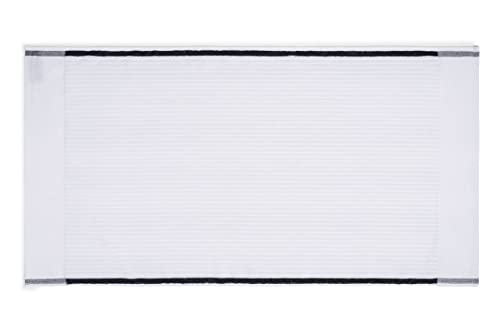
| PackTowl Personal Ultralight | Microfiber | Ultralight, body size | Midnight color |
| Sea to Summit DryLite | Microfiber | Compact | Comes in sizes and a pouch |
| Rainleaf Microfiber | Microfiber | Value pack | Often sold with a bag |
| Matador NanoDry Towel | Fast-dry synthetic | Pocketable | Packs very small |
| REI Co-op Multi Towel | Microfiber | Everyday travel | Store-brand towel |
| Lifeventure SoftFibre Trek Towel | Microfiber | Trek style | Softer, towel-like feel |
The 6 Best Quick Dry Towels

Top pickBest for backpacking and weight-conscious trips
1. PackTowl Personal Ultralight Microfiber Towel
A microfiber camping and travel towel from PackTowl, listed in the Body size and the Midnight color. It is a thin, light cloth made for packs, designed to wring out well and dry quickly.
Suits: backpacking and weight-conscious trips. Strengths: an ultralight design from a camp-towel specialist. Weaknesses: a thin, light feel. Skip it if you want a thick towel.

Best for camping and travel
2. Sea to Summit DryLite Towel
A compact microfiber towel from an outdoor-gear brand. It comes in several sizes with a small pouch, and a hang loop helps it dry on a line or a bag strap.
Suits: camping and travel. Strengths: a well-regarded outdoor brand. Weaknesses: a bit pricier than basic packs. Skip it if you want a cheap multipack.
View Sea to Summit DryLite on Amazon

Best for casual travelers on a budget
3. Rainleaf Microfiber Towel
A value-priced microfiber towel that often comes with a mesh bag and a hang loop. It is widely used for gym, swimming and basic trips.
Suits: casual travelers on a budget. Strengths: price and sets of sizes. Weaknesses: not an ultralight pro item. Skip it if you carry gear on long hikes.


Best for day trips and kits
4. Matador NanoDry Towel
A pocketable towel from a brand known for compact travel gear. It packs very small and is aimed at people who want a towel for emergencies or short outings.
Suits: day trips and kits. Strengths: tiny when packed. Weaknesses: small coverage on bigger sizes. Skip it if you want a full body wrap.

Best for general-purpose trips
5. REI Co-op Multi Towel
A microfiber towel from an outdoor retailer’s own line. It is meant to be an all-purpose travel cloth for the pack, the gym or the trail.
Suits: general-purpose trips. Strengths: a brand with an outdoor focus. Weaknesses: availability can vary on Amazon. Skip it if you only shop on one retailer.
View REI Co-op Multi Towel on Amazon

Best for trekkers who want comfort
6. Lifeventure SoftFibre Trek Towel
A trek towel with a softer, more towel-like surface than many thin microfiber cloths. It is made to dry fast while still feeling pleasant on the skin.
Suits: trekkers who want comfort. Strengths: a soft feel. Weaknesses: bulkier than ultralight picks. Skip it if every ounce counts.

Care and Setup
- Wring it out and hang it open after each use.
- Do not pack it wet for days.
- Wash without fabric softener.
- Rinse after salt water or sunscreen exposure.
Mistakes to Avoid
- Expecting a thin towel to feel like cotton.
- Drying it on a hot surface that could damage the fibers.
- Buying only the small size for full-body use.
- Storing it damp inside a sealed bag.
Questions to Ask Before You Buy
- Will you use it for the gym, travel, the beach, a pool or a hiking trip?
- How small does it need to fold to fit your bag, and does it come with a pouch or loop?
- Does the maker’s listing describe the fabric blend and its care instructions?
- Do you prefer a soft feel or a thin, slick one that sheds water fast?
- How many times will you need to wash it between trips?
- Do you need more than one in different sizes for the household?
Storage and Care Notes
Synthetic fibers can hold onto odors if they are stored damp, so let the towel air out fully before folding it into a pouch. Hang it over a chair, a hook or a pack strap after every use. If you must pack it wet, take it out as soon as you arrive and spread it flat.
Wash according to the maker’s instructions, and consider keeping it apart from items that shed lint. Fabric softener is often discouraged for microfiber because it can coat the fibers, but follow the label on your own towel. Skip high heat unless the listing says it is fine. A towel left in a closed gym bag for days is the most common cause of a musty smell, so unpack it after each outing.
Who Should Skip It
If you like a plush, heavy towel after a shower at home, a thin travel towel may feel disappointing. Families with young children who need a big wrap might do better with an oversized cotton towel and a separate compact one for trips. Anyone with skin that reacts to synthetic fabrics should check the listing’s material details first.
How Quick Dry Fabrics Work and What They Trade Away
Quick dry towels are made from synthetic fibers, most often a microfiber blend. The fibers are very fine, so the cloth has a large surface area that picks up water. Unlike cotton, which absorbs water deep into thick fibers and holds it, these fabrics hold much of the water between the strands and release it more readily when wrung out or hung in the air.
That design brings trade-offs. A thin synthetic cloth is light and packs small, but it usually feels different from a cotton bath towel. Some people find it slick or clingy on damp skin, and a very thin towel may need wringing out more than once during a long drying session. Softer, thicker versions feel more towel-like but take more space in a pack and may dry a little more slowly.
Fabric weight, weave and finish all affect the feel. A smooth, flat weave tends to shed water quickly and pack small, while a plusher surface feels gentler on the skin. The listing may describe the fabric blend, but exact figures can vary, so read the product details and follow the care label.
- Thin and slick suits ultralight packing.
- Soft and plush suits comfort-first trips.
- Mid-weight suits the gym and general travel.
Knowing how the material behaves helps you set realistic expectations. A quick dry towel is a tool for fast drying and light carrying, and it does that job best when you accept the difference in feel.
Matching Towel Size to the Trip
Size is the choice that people most often get wrong. A small towel, around the size of a hand towel, suits wiping hands and face, drying a camera or cleaning a stove. It is easy to clip to a pack and dries in a short time. However, it will not cover the body, so anyone who wants a post-swim wrap should look at larger sizes.
A medium towel suits a quick shower rinse or a swim, particularly for a single traveler who is comfortable with a smaller wrap. A large towel covers more, and it can double as a lightweight beach mat or a cover on a bench. The larger the towel, the longer it takes to dry and the more space it takes up when packed, so be realistic about your needs.
Some travelers carry two sizes, a large for the body and a small for the face and hands. This keeps the larger one cleaner and gives you a spare when the first is still damp. Families may want one per person, because sharing a damp towel can lead to odors and slower drying.
Before you order, check the listing for the dimensions in your units and compare them with a bath towel at home. If the product page offers several sizes, read the packed size as well. Remember that sizes may differ between brands, so a medium from one maker may not match a medium from another.
Uses Beyond the Campsite
Quick dry towels are not just for the trail. They are common in gym bags, where a thin towel that dries between sessions is more practical than a bulky cotton one. They also work well for swimming, since a towel that does not stay soggy is more pleasant in a bag on the way home.
Travelers use them for hostels, trains and flights. In places where towels are not provided, or where you would rather not rely on shared ones, a compact towel is a handy backup. It can also serve as a wrap, a neck cover from the sun or a makeshift seat cover, within the limits of its size and fabric.
Around the home, a small quick dry towel can be used for the car, for pets after a muddy walk, for yoga sessions or for cleaning gear. Some people keep one in a boat or kayak kit, where it can be wrung out and reused often. Keep dedicated towels for dirty jobs so they do not mix with the ones you use on your skin.
- Gym: a medium towel and a small one for the face.
- Beach or pool: a large towel that wrings out well.
- Hiking: the lightest size that suits your needs.
Thinking about the main use first keeps you from buying the wrong size or fabric.
Drying Methods on the Road
Even a quick dry towel dries faster when you help it. After use, wring the towel gently to remove most of the water, then hang it open instead of leaving it folded. A line, a bag strap, a tent pole or the back of a chair all work. Moving air does more than heat, so a breezy spot outperforms a hot closed car.
If you are on the move, clip the towel to the outside of your pack with its loop, if it has one, and let it dry as you walk. In humid weather it may stay damp longer, and in that case it is better to leave it open overnight than to pack it away wet.
Avoid placing the towel on a very hot surface or near a flame. Some synthetic fibers can be damaged by high heat, and a scorched towel will not recover. Follow the care label, and check the listing for any drying advice from the maker.
When you pack, make sure the towel is dry or only slightly damp. A sealed bag with a wet towel is a common cause of musty smells, so use a mesh bag or leave the pouch open until the towel is dry. If you are staying somewhere for several days, rotate between two towels so that one is always drying while the other is in use.
Signs It Is Time to Replace Your Towel
A quick dry towel should last through many trips, but it does wear out. The first sign is usually a change in how it feels or performs. If the surface feels stiff or slick and no longer picks up water as well, the fibers may be coated with residue or worn down. A thorough wash, following the maker’s instructions, can help, but if the problem remains, replacement may be sensible.
Watch for odor that returns soon after washing. Synthetic fibers can hold onto smells, and a lingering musty smell after careful washing and drying suggests the towel has had its day. Visible damage matters too, such as frayed edges, thin patches, holes or stitching that is coming apart. A torn hang loop is a small problem that can sometimes be fixed with a few stitches.
Fading and pilling are common with heavy use and do not always mean the towel has stopped working, but they can signal that the fabric is aging. If the towel dries more slowly than it used to, or if it leaves lint on your skin, it may be time to look for a new one.
- Persistent odor after proper washing.
- Holes, thin spots or failing seams.
- A slick, stiff feel that does not improve with washing.
Replacing a worn towel before a long trip is better than finding out on the trail that it no longer does the job.
Packing Quick Dry Towels: Size and Use Cases
These towels come in several sizes, and the right one depends on how you travel. A towel that is too small frustrates, while one that is too big defeats the purpose of packing light. Use the table below as a first guide.
| Size class | Typical use | Think about |
|---|---|---|
| Face or hand size | Wiping hands, face, gear and cookware | Pack a couple for camp kitchens |
| Medium or body size | Gym, pool and day trips | Handy when a beach towel is too bulky |
| Large or beach size | Longer showers, sitting on sand, wrapping up | Check how small it folds and whether a pouch comes with it |
| Extra large | Sharing, changing outdoors or covering a bench | Weighs more and takes longer to dry |
Think about how the towel will travel. A compact pouch with a loop lets you clip the towel to a bag, and a mesh sack allows damp towels to air out on the move. Choose colors that hide stains if you plan to use the towel on trails or at camp.
Care Habits That Keep the Fabric Absorbent
Synthetic towels have a different feel from cotton and need slightly different care. A few habits keep them performing.
- Wring, do not rub. Squeeze water from the towel and pat the skin dry. Rubbing a thin fabric across wet skin works less well than patting.
- Dry it out between uses. Hang the towel open in a breezy spot as soon as you can. Damp fabric folded in a pouch can develop a musty smell.
- Wash before the first use. Follow the care label to remove any finishing residue that could affect absorbency.
- Skip fabric softener. Softeners can coat fibers and reduce water uptake. Follow the maker’s laundering guidance.
- Use a low heat. Many synthetic fabrics dislike high heat, so air drying or a gentle dryer cycle is usual. Check the tag.
- Keep away from rough surfaces. Velcro, zippers and rocks snag microfibers.
When a towel begins to smell, wash it according to the label, and consider an extra rinse. Store it loosely rather than tightly compressed for long periods, and keep it out of damp bags.
Remember that quick dry towels feel different from cotton. They are thin, they cling slightly to skin and they release moisture fast, which suits travel, hostels, camping and the gym. If you want a plush feel for home, keep a regular towel for that. For adventures, a thin towel saves weight and space, and dries during a morning of walking if you hook it to the outside of your pack.
Choosing With More Care: The Details That Decide Satisfaction
The first decision with quick dry towels is matching the fabric to the job it actually has to do, rather than buying on softness alone. A towel that feels wonderful in a shop can still disappoint if it dries slowly, sheds lint or loses its absorbency after a few washes. Think about how the towel will be used most days: wiped, wrapped, hung in a damp room, thrown into a sports bag or spread out outdoors. That everyday pattern matters more than any single impressive feature, because a towel earns its keep through hundreds of ordinary uses, not through its first impression.
Size and weight deserve the same honest look. A larger towel covers more and can feel generous, but it also takes longer to dry, fills a washing machine faster and needs more storage space. A lighter towel is easy to carry and quick to hang, yet it may feel thin if you expected something plush. Picture the exact spot where the towel will live and be used, measure if you are unsure, and choose the size that fits that space comfortably instead of assuming that bigger is always better.
Matching Your Choice to Real Life
Consider the busiest moment in your routine and shop for that moment. If several people share one bathroom, towels that dry quickly between uses and can be told apart at a glance save daily friction. If the towel travels with you, how it packs, how it smells after being folded damp for a few hours and how fast it dries on a hook become the deciding factors. Writing down your own busiest scenario before ordering sounds simple, but it stops most disappointing purchases.
Guests and occasional use call for a slightly different judgement. A towel kept for visitors should look tidy after long storage, wash without fuss and suit different preferences, while your everyday towel can be chosen purely around your own habits. Many households end up happiest with a small rotation: a dependable everyday set, one or two spares for guests or laundry days, and nothing kept ‘for best’ that never actually gets used and slowly turns musty in a cupboard.
Using It Well From the First Day
How you use a towel in its first weeks sets how it performs for the rest of its life. New towels often carry a finish from manufacturing that can make them feel smooth but absorb less, so a wash before first use is a sensible habit unless the maker says otherwise. During use, press and pat rather than dragging roughly across skin or hair, and hang the towel fully open afterwards instead of leaving it bunched on a hook, because airflow between the folds is what actually dries it.
Where a towel dries matters as much as how it was made. A steamy, closed bathroom slows drying and invites stale smells, while a ventilated spot with the towel spread wide keeps it fresher between washes. If you share a home, agree on simple habits: one towel per person, a regular wash day, and a rule that damp towels never stay sealed in a bag or hamper. These small routines do more for freshness than any scented product.
Care, Cleaning and Keeping It at Its Best
Washing is where most towels are quietly ruined. Very hot water, heavy doses of detergent and fabric softener can leave residue that coats the fibres and makes the towel push water around instead of soaking it up. A moderate amount of detergent, a proper rinse and an occasional wash without softener usually keep absorbency closer to how the towel performed when new. Always follow the care label on your specific towel, since blends and finishes differ.
Drying and storage finish the job. Shake the towel out before hanging or machine drying so the loops stand up rather than matting flat, and make sure it is completely dry before folding it away. Storing a slightly damp towel in a closed cupboard is the fastest route to a stale smell that then needs extra washing to remove. Store folded towels loosely, rotate the stack so the same towel is not always on top, and keep spares somewhere airy rather than sealed in plastic.
How the Picks in This Guide Compare
The picks in this guide, PackTowl Personal Ultralight Microfiber Towel, Sea to Summit DryLite Towel, Rainleaf Microfiber Towel, Matador NanoDry Towel, REI Co-op Multi Towel and Lifeventure SoftFibre Trek Towel, were chosen to cover the situations most buyers actually face rather than to repeat the same idea several times over. Read their individual reviews above side by side and you will notice that each one leans towards a different strength: a different balance of comfort, practicality, ease of care and suitability for a particular setting. That spread is deliberate, and it means the best choice for you depends less on which pick is strongest in the abstract and more on which strength matches the job waiting for it in your home.
A useful way to compare them is to hold your main scenario steady and test each pick against it. Picture the same ordinary day, the same room, the same people and the same weather, and ask of each option in turn how it would cope. The pick that handles your ordinary day gracefully will almost always serve you better than the one that shines only in an ideal scenario. Where two picks seem close, let the care routine decide: the one whose cleaning, storage and upkeep fit your real habits is the one that will still please you in a year.
It also helps to decide in advance what would make you return or replace a purchase, because that reveals your real priorities. If the answer is about fit, measure twice and order once. If it is about upkeep, re-read the care sections of the reviews above before choosing. If it is about how the pick suits a particular person, involve that person in the decision now rather than after delivery. Clear priorities turn a long shortlist into a short decision, and they protect you from being swayed by whichever listing you happened to read last.
Reading Listings and Product Pages Critically
Reading a listing for quick dry towels rewards a sceptical eye. Look for the plain facts first: the fabric, the dimensions and the care instructions. Vague words about luxury or hotel quality tell you very little, while a clear statement of material and size lets you compare two options fairly. Photos can flatter thickness and colour, so treat the written details as the real description and the pictures as a rough guide to style.
It also helps to separate what the towel is from how it is sold. Sets can look like great value while mixing sizes you will never use, and a single premium towel can be the smarter buy if it matches your routine exactly. Count what you will genuinely use each week, check the return terms before ordering more than one, and start with a small quantity when trying a new style. You can always add matching pieces later once the first one has survived a few washes.
Mistakes That Only Appear After a Few Weeks
One common mistake is judging a towel only by how thick it feels on day one. Thickness can come from long loops that dry slowly and feel heavy when wet, which is a poor trade in a humid bathroom or a travel bag. The opposite mistake is choosing the thinnest, fastest option and then feeling short-changed every time you use it. The right answer sits in the middle for most people and depends entirely on where the towel will dry and how often it will be washed.
Another mistake is washing every towel the same way regardless of fabric or colour. Dark towels can fade with harsh washing, light towels show stains that need prompt attention, and delicate finishes suffer in crowded, overloaded loads. Sorting laundry with even a little care, washing similar items together and not overloading the machine so water can circulate all extend the useful life of the whole set without adding real effort to laundry day.
Building a Routine That Lasts
A simple rotation routine keeps quick dry towels performing well without any special effort. Keep enough towels in circulation that none is used again while still damp from last time, hang each one open after use, and wash on a regular rhythm rather than waiting for smells to force the issue. If a towel starts to feel less absorbent, check for detergent build-up first: an extra rinse or a wash with less detergent often restores performance before you conclude the towel itself has worn out.
Every few months, take a honest look at the whole collection. Towels that have gone thin, developed holes, lost their edges or kept a stale smell through several careful washes are telling you they are done. Retire them to cleaning duty rather than letting them linger in the main rotation, and replace one or two at a time so the set stays consistent. This gradual approach spreads the effort and means you are never forced into replacing everything at once.
When to Repair, Replace or Rethink
Knowing when to replace a towel is mostly about function, not appearance. A towel that still looks fine but leaves you damp, feels scratchy after washing or dries so slowly that it smells between uses has stopped doing its job. Fading alone is cosmetic and no reason to throw a working towel away, but persistent odour, thinning fabric and frayed edges that catch and tear are practical signs that replacement will genuinely improve daily life.
When you do replace, buy for the routine you have now, not the one you had years ago. Households change: children grow, sports start or stop, bathrooms are renovated and laundry habits shift. A short list of what the new towel must do, checked against the guidance in this article, will serve you better than simply reordering whatever you bought last time. Keep one retired towel for messy jobs and let the new set start its life doing the work it was chosen for.
A Practical Decision Worksheet
Start by writing your requirements down before you look at another listing. Divide a page into three short lists: what the purchase must do, what would be nice, and what you know you do not need. Be specific in the first list, because vague wishes produce vague purchases. Include the room or situation, the people involved, the surfaces and conditions it will face, and the care effort you can honestly sustain. Then read the reviews in this guide once more, scoring each pick only against your first list. Picks that fail a must-have leave the shortlist immediately, however appealing their extras, and what remains is usually a choice between two or three genuinely suitable options.
Now test that shortlist against the least convenient day, not the best one. Imagine the purchase in use when you are tired, rushed, short of space or dealing with guests, bad weather or a spill, because that is when design weaknesses stop being theoretical. Ask where it will be stored on that day, who else will handle it, and what could go wrong that a little planning would prevent. This unglamorous exercise is where experienced buyers earn their reputation: they do not buy for the photograph, they buy for the Tuesday evening when everything else is going wrong as well.
Planning Around Seasons and Household Changes
Seasons change what a home asks of its contents, and a wise purchase anticipates the change rather than discovering it. Think about the wettest, hottest, busiest and quietest times of your year and how this choice behaves in each. Some purchases work hardest in one season and rest in another, which is fine as long as storage and care for the resting months are planned. Others are asked to perform identically all year, which raises the bar for durability and for a care routine you can keep up when motivation dips in the middle of winter.
Households change too, sometimes gradually and sometimes overnight. Children grow, relatives visit or move in, pets arrive, jobs change the shape of the day, and a purchase that fits this year may be tested by next year circumstances. You cannot plan for everything, and you should not try, but favouring adaptable, forgiving choices over narrow, precious ones gives your home room to evolve. When you read the picks above, give a quiet bonus to the option that would still make sense if your household looked a little different in two years time.
Troubleshooting and the Long View
When something disappoints after purchase, troubleshoot before you replace. Most disappointments have a simple layer underneath: the wrong position, the wrong routine, the wrong pairing with another item, or expectations set by a photograph rather than by the job at hand. Change one variable at a time and live with the change for a few days before judging it, because several changes at once teach you nothing. Keep notes if the problem is subtle. A surprising share of purchases are rescued by a mat, a hook, a different wash, a moved shelf or a clearer house rule.
Finally, keep the long view. The purchases that serve a home best are rarely the most exciting ones; they are the ones still quietly working years later, maintained by habits so small they feel like nothing. Judge your shortlist by asking which option you would be happiest to clean, repair, store and rely on in three years, with its novelty long gone and its usefulness proven daily. That question cuts through presentation faster than any other, and it is the question this guide was written to help you answer well.
Quick Dry Towel FAQ
What size quick dry towel should I get?
A medium or large for the body, and a small one if you only need hands and face. Check the listing for size options.
Are quick dry towels good for camping?
Yes, they are popular for camping and backpacking because they pack small and dry fast.
Do these towels smell?
They can if stored damp. Air them out and wash regularly.
Can a quick dry towel replace my regular bath towel?
For trips, yes, and many travelers do. At home most people still prefer a cotton towel for its softer feel. Quick dry towels are best as a second towel for the gym, pool bag, tent or carry-on, where drying time and weight matter more than a plush finish.
How long does a quick dry towel take to dry?
It depends on the size, the fabric, the weather and how well you wring it out. A towel hung open in moving air usually dries faster than one left folded. Check the listing for any maker guidance.
Can I use a quick dry towel on my hair?
Yes, many people do, and some find it helps shorten drying time. A softer towel may feel gentler. If you have delicate hair, try it at home before a trip.
Is a larger or smaller towel better for backpacking?
Smaller towels pack tighter and dry sooner, but they cover less. Choose the smallest size that you are still comfortable using, and consider carrying a small one for the face and hands.
How do I wash a microfiber towel?
Follow the care label from the maker. In general, wash it with mild detergent, skip fabric softener and avoid high heat unless the label allows it. Air drying is usually the safest option.
Why does my quick dry towel feel less absorbent over time?
Residue from soap, sunscreen or fabric softener can coat the fibers and reduce performance. A careful wash according to the label may help, but a worn towel may need replacing.
Can I take a quick dry towel on a flight?
Yes, it is a fabric item that packs small. A compact towel in a carry-on can be useful for a layover or a trip to a pool or beach.
Should I buy a towel with a carry pouch?
A pouch helps keep the towel clean and compact, which is useful for a pack or a gym bag. Make sure the towel is dry before you store it, and let the pouch air out too.
Are quick dry towels suitable for people with sensitive skin?
Many people use them without problems, but some find synthetic fabrics irritating. Check the listing for material details and try the towel at home before a long trip.
One More Consideration Before You Decide
The value question deserves a calm answer, because the most expensive option is rarely the one with the highest ticket and the cheapest is rarely the one bought twice. Think in terms of cost per year of good service: how long this purchase will realistically last in your home, how much effort it asks of you each week, and how likely you are to still be pleased with it once the novelty has gone. A choice that fits your routine so well that you stop thinking about it has usually earned whatever it cost, while a bargain that fights your habits charges you a small toll of annoyance every single day.
Accessibility is easy to overlook until it matters. Consider everyone who will use this purchase, including visitors, older relatives and anyone recovering from an injury or managing tired joints, and ask whether the choice works for them as well as for you. Height, weight, grip, balance and the amount of bending or reaching involved all change the experience for different bodies. A purchase that the whole household can use confidently is worth more than a slightly finer one that quietly excludes somebody.
Keep the paperwork and the proof. Save the maker instructions, the care guidance and your order details somewhere you can find them in a year, because the moment you need them is never the moment you expect. A note of when you bought the item, what you chose it for and any lesson from the first weeks turns future decisions, replacements, spare parts, cleaning questions and warranty conversations into simple lookups instead of guesswork. Households that keep this small record rarely repeat a buying mistake, because the evidence of the last one is sitting in the drawer.
Share what you learn with the people who share your home. A purchase used by several people succeeds when everyone knows the simple rules around it: where it lives, how it is cleaned, what it should never be asked to do and who to tell when something seems wrong. Two minutes of explanation at the start prevents the slow damage done by well-meaning misuse, and it turns care from one person burden into a household habit. Write the essentials on a card kept nearby if the routine has more than a couple of steps.
Give the decision a night to settle if you can. A shortlist that still looks right the next morning, checked once more against your must-have list and your least convenient day, is very unlikely to disappoint you. Urgency is usually a property of the listing, not of your life, and the few purchases that genuinely cannot wait are obvious. Calm, measured choosing is the whole method behind this guide, and it works just as well for the next purchase as it does for this one.
Finally, think about the footprint of the choice in your home and beyond it. Prefer the option you will keep for years over the one you will replace quickly, keep packaging only until you are sure the purchase is right, and pass on or recycle what you retire where you can. Durable, well-matched purchases are the simplest form of sustainability available to a household: fewer deliveries, fewer returns, less clutter, and a home filled with things that were chosen once and chosen well.
More Questions Buyers Ask
How many should I own to start with?
Enough that a clean, dry one is always ready while others are in the wash. For most people that means a small rotation rather than a single towel, with the exact number set by how often you do laundry and how many people are sharing the set. Start modestly, live with the rotation for a few weeks, and add pieces only if you keep running short.
Why does my towel feel less absorbent than when it was new?
Residue is the usual suspect. Detergent, fabric softener and minerals from the water can coat the fibres over time, so the towel slides over moisture instead of taking it up. Try washing with a smaller amount of detergent, skip the softener and add an extra rinse. If absorbency returns, build-up was the problem rather than the towel itself.
Is it better to air dry or machine dry?
Either can work well when it is done properly. Air drying is gentle and cheap, but the towel needs space and airflow so it dries fully rather than stiffening in a damp room. Machine drying is convenient and can leave towels feeling softer, provided you follow the care label and do not leave them sitting damp in the drum afterwards. Fully dry is the rule that matters most.
Can I wash different colours together?
It is safer to wash similar colours together, especially for the first few washes when dye is most likely to move. Whites stay brighter washed separately, and dark towels keep their depth for longer away from harsh treatment meant for lighter loads. Sorting adds a minute to laundry and saves the slow fading and greying that otherwise creeps in unnoticed.
How should I store spares so they stay fresh?
Store them clean, completely dry and somewhere air can circulate. A ventilated shelf or cupboard works well, while sealed bags and damp cupboards invite stale smells. Rotating the stack, using the towel at the bottom as often as the one at the top, keeps the whole set evenly used and prevents one forgotten towel sitting untouched for months.
What should I check first if a new towel disappoints me?
Check the fit with your routine before blaming the towel. Was it washed before use, is it drying fully between uses, and is it the right size and weight for the job you gave it? Many disappointments trace back to one of those simple mismatches, and they are cheaper to fix than replacing the towel and repeating the same pattern.
The Short Version
For ultralight, the PackTowl. For a sturdy outdoor brand, the Sea to Summit. For a budget pack, the Rainleaf. For tiny packing, the Matador. For an all-rounder, the REI Co-op. For softness, the Lifeventure.