Disclosure: As an Amazon Associate, airfryerkitchensupply.com earns from qualifying purchases. Links to Amazon on this page are affiliate links; they cost you nothing extra. Listing details such as price and availability change often, so check the current Amazon listing before you buy.
A balcony is a small stage with big demands. It needs a seat that fits a narrow floor, folds away when you want the space back and does not look out of place beside a pot of herbs. If you are searching for the best outdoor chairs for a balcony, the winning feature is rarely luxury; it is how little room the chair claims when you are not sitting in it.
This guide gathers five folding chairs from outdoor brands that already know about compact design. Helinox, Big Agnes, Kelty, GCI Outdoor and Coleman each approach the problem differently, so you can match the style to your own balcony, whether it is a concrete ledge with a single plant or a wide deck with room for a table.
You will find a table, a plain note on how we picked, five product sections, short use-case notes, a longer buying guide, care tips and answers to common questions. Nothing here comes from personal ownership, only from the makers’ own information.



Quick Comparison
| Product | Best for | Main point | Link |
|---|---|---|---|
| Helinox Chair Zero | Tiny balconies and frequent folding | Very compact folding frame | Check on Amazon |
| Big Agnes Skyline UL | Moving chairs often | Packable ultralight design | Check on Amazon |
| Kelty Lowdown Chair | Relaxed low seating | Low-slung seat with a cup holder | Check on Amazon |
| GCI Outdoor Pod Rocker | Gentle motion in a small space | Compact rocking camp chair | Check on Amazon |
| Coleman Portable Camping Quad Chair with 4-Can Cooler | Drinks within reach | Classic quad chair with a built-in cooler | Check on Amazon |
In this guide
How These Options Were Chosen
Our shortlist favoured folding chairs that pack small, because that is the real test of balcony furniture. We chose recognised brands with products in the regular Amazon catalogue and avoided anything bulky, such as large cushioned loungers.
The information below draws on manufacturer descriptions and published specifications. We have not placed these chairs on a balcony ourselves, so any comments about space and stability are general rather than experience-based. Always measure your own balcony before buying.
5 Best Outdoor Chairs for a Balcony
Helinox Chair Zero
Helinox makes folding chairs with a distinctive pole-and-sling design, and the Chair Zero is its compact, lightweight member. When folded, the whole chair becomes a slim bundle that tucks into a closet or behind a door.
For a balcony, that small footprint when stored is the main attraction. You can bring it out for morning coffee and put it away before guests arrive. The legs and seat sit low, so the chair also suits narrow spaces under a window.
The trade-off is simplicity. There are no arms, and the seat is low and light, so it feels more like a seat than a lounge. Read the product page for dimensions and decide if the shape works for you.
Choose it when storage matters most. Skip it if you want a chair you can sink into for hours.

Big Agnes Skyline UL Chair
Big Agnes designs tents and sleeping gear, and the Skyline UL carries the same packable approach into a folding camp chair. The listing describes it as ultralight, which signals a design made for carrying.
On a balcony, the benefit is convenience. A chair that is easy to lift can be moved to chase the sun or swapped between a plant corner and a table. It also leaves room in a small storage closet.
Keep in mind that ultralight gear trades some solidity for portability. The seat is more of a sling than a cushion, and the frame is slim. If you want something sturdier, look at the Coleman or Kelty options below.
Choose it for portability and moving the chair around often. Skip it if you prefer a roomier seat.

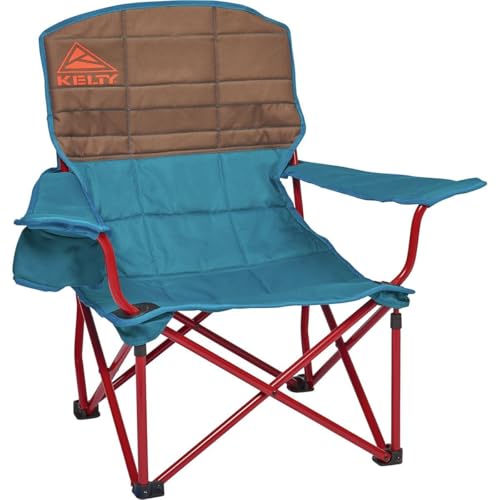
Kelty Lowdown Chair
The Lowdown by Kelty is a low-slung camp chair with a seat close to the ground. The name tells the story: this is a relaxed lean-back, rather than a tall perch.
That low profile can suit balconies with a railing at standard height, since a lower seat keeps your head under the rail line and gives a more private feel. It also suits people who like a casual, laid-back arrangement with a small side table.
On the other hand, low seats can be harder to rise from. If you have a taller balcony railing and want to see over it, a higher seat will serve you better. Also read the packed dimensions to make sure it fits your closet.
Choose it for relaxed sitting. Skip it if you want a raised view.

GCI Outdoor Pod Rocker Chair
GCI Outdoor builds camp chairs that bend the usual rules, and the Pod Rocker is a rocking version with a compact frame. The rocking motion is the headline, giving a gentle back-and-forth that people associate with porches.
That makes it a charming pick for a balcony that is meant to be a retreat. A rocker needs a little clearance behind it, so measure the space between the chair and the wall or railing.
The drawback is that rocking frames occupy more floor than static ones, and uneven balcony tiles may affect how smoothly the chair moves. If your balcony floor is bumpy, consider another style.
Choose it for a porch feel. Skip it for very tight balconies.

Coleman Portable Camping Quad Chair with 4-Can Cooler
Coleman’s quad chair is one of the most recognisable camping chairs, and this version adds a small cooler built into the arm. If you like a cold drink on hand, it saves you from setting up a side table.
For a balcony, the fixed arms and the extra pocket give a roomier, more traditional seat than the minimalist Helinox. You get a familiar shape, a simple fold and a place for a drink.
The cost is bulk. A quad chair is wider and heavier than the ultralight options, and the cooler adds a little more. Make sure the folded chair fits your storage plan.
Choose it for a regular chair feel with a built-in drink spot. Skip it for very small balconies.
Best for the Smallest Balcony
The Helinox Chair Zero wins on space, because it folds into a slim bundle and sits without taking up much floor.
Best for Easy Rearranging
With its light build, the Big Agnes Skyline UL slides from one corner to another, which suits renters who like to change layouts.
Best for a Cozy Retreat
If your balcony is a quiet nook with a plant or two, the GCI Outdoor Pod Rocker adds a gentle motion that suits slow mornings.
Making a Small Balcony Feel Finished
A chair alone does not make a balcony pleasant. The small touches around it do. Start with the floor: outdoor tiles, a thin rug made for outside use or simple deck squares can turn a bare slab into a room. Chair feet on a soft surface also make less noise for the neighbours below.
Next, add height variety. A single chair beside a plant stand and a small stool table looks composed, while one chair against an empty wall can feel like a waiting room. If space allows, place the chair at a slight angle to the railing so that you face both the view and the open end of the balcony.
Use vertical space instead of floor space. Hanging planters, railing boxes and wall hooks for a lantern keep the footprint clear. A narrow shelf on the wall can hold a mug or a book and removes the need for a table.
Lighting changes everything in the evening. A small battery lantern or a string of lights, used according to your building rules, makes the balcony feel inviting after dark. Choose warm tones rather than harsh white.
Lastly, keep the colours calm. Two or three tones, such as the chair colour, a plant green and a wooden accent, are easier on the eye than a crowd of different shades. That is why neutral chair colours tend to work well in small outdoor spaces.
How to Choose Balcony Chairs
Start by measuring. Record the depth and width of your balcony, then mark out the footprint of the chair on the floor with tape. Leave room for walking around it, for opening a door and for anything else that has to live there, such as plants or a bike.
Next, decide how permanent the chairs will be. If they stay out all year, you need materials that handle weather: powder-coated aluminium or steel, quick-drying fabric and rust-resistant hardware. If you fold the chairs away after each use, a lighter, simpler build is fine, provided it packs small.
Think about height. Balcony railings vary, and the height of your seat determines what you see. A low chair feels cosy but limits the view; a raised chair lets you look out. Take a look at your railing style: solid panels, glass or open bars all change the sightline.
Consider wind. On upper floors, wind can be strong, and light chairs may slide or tip. A heavier frame stays put more easily, but check the building rules, because some buildings ask residents to store loose items. Fold the chairs when you leave.
Look at fabric and colour too. Pale fabric shows dirt, while mid-tones hide it. Mesh dries faster after rain, but thicker fabric feels softer.
- Measure the balcony and the folded chair.
- Check for arms if you want a more chair-like seat.
- Think about wind on high floors.
- Confirm that the chair can be stored indoors.
Last, think about companions. A single chair is easy, but a pair needs enough space for both without squeezing. If you plan to entertain, a few folding stools or extra light chairs kept indoors can come out on request.
Assembly, Placement and Local Rules
Unfold and adjust the chair according to the maker’s instructions. Many apartment buildings, condominiums and homeowner associations have rules about balcony furniture, loose objects and what may be left outside. Check your lease or association rules before you buy, because we cannot say what applies to your building.
Do not make structural changes to a balcony, and consult the building manager or a qualified professional for anything involving railings, anchoring or load.
Care and Troubleshooting
Brush off dust, wipe the fabric with mild soap and water, and let the chair dry before folding it. Rinse away salt if you live near the sea, and store the chair indoors during storms.
| Issue | What to check |
|---|---|
| Chair slides on tiles | Rubber feet or a small mat |
| Frame squeaks | Joints; wipe and dry |
| Fabric fades | Move out of direct sun when idle |
| Rocker feels uneven | Flatness of the floor |
Folded Size and Storage on a Small Balcony
On a balcony, every square foot counts, so a chair needs to earn its place twice: once when you sit in it and again when you put it away. Folded dimensions matter as much as open ones. Some chairs collapse to the size of a rolled umbrella, while others fold flat but remain wide.
Think about where the chair will live between uses. A slim chair can lean against a wall or hang on a hook, while a bulkier rocker may need a spot of its own. Check whether the chair comes with a carry bag, since a bag makes storing it in a closet far simpler.
- Ultralight frames: pack small and carry easily.
- Quad chairs: sturdy and familiar, but wider when folded.
- Rockers and pods: comfortable, yet they need more floor space.
Compare the numbers in each listing with the space you actually have. Measure the corner, the depth of the closet, and any gap behind a door. A chair that fits on paper but not in real life is a common disappointment. If your building has rules about balcony use or storage, follow them, and ask your landlord or association when in doubt.
Walk through your balcony with a tape measure and write down the usable width, depth and door swing. Keep that note handy while you read each listing so you can rule out chairs quickly.
Wind, Weather and Placement
Balconies are often more exposed than patios, which affects how a chair behaves. Wind can tip a light chair, and rain or direct sun can wear down fabric. Think about the conditions on your own balcony before choosing.
Wind Exposure
Higher floors tend to get gustier air. A heavier chair or one with a wide stance feels steadier, while a very light frame may need to be stowed when the weather turns. Never leave a chair near a rail edge where it could be blown off.
Sun and Rain
Fabric fades under constant sunlight, and moisture can lead to mildew when a damp chair is folded away. Let seats dry fully before you store them.
Rails and Floor Surfaces
Decking, tile and concrete each behave differently under chair feet. Check whether the feet might scratch or stain the surface, and add pads where needed. Follow your building’s rules and the maker’s directions on use near edges and structural elements.
Treat the balcony as a small outdoor room with its own conditions, and choose accordingly.
A lightweight chair also invites rearranging. You can slide it toward the sun in the morning and back into shade in the afternoon, which makes a small space feel larger and more flexible.
Common Buying Mistakes
One typical mistake is buying two chairs without checking whether they can sit side by side. Seat width, arm style and leg spread all affect the footprint, so compare the numbers to the width of your balcony.
Another is choosing a chair designed for a campsite and assuming it will suit a daily seat. Camp chairs are made to be portable, which sometimes means a lower seat and a thinner cushion. That can be fine, but it is worth knowing.
- Do not ignore seat height if you plan to sit near a small table.
- Do not assume the fabric is made for constant outdoor exposure; check the care notes.
- Do not forget the distance needed to stand up from a low seat.
- Do not skip the manual for setup, since folding mechanisms vary.
Another overlooked point is how the chair feels after an hour. A seat that is comfortable for ten minutes can feel different over longer stretches. Reading the dimensions, the materials and the setup notes gives a more realistic picture than a quick glance at the photos.
Another thing to watch is noise. Metal feet scraping across a hard floor can bother neighbors below, so rubber tips or small pads are a considerate addition.
Who Should Skip Which Type
Different balcony users have different needs. If you want a seat for morning coffee and quick sits, a light, compact chair is plenty. If you plan to read or relax for long periods, a lower, deeper seat or a rocker may be nicer, as long as you have room.
| Balcony type | Better fit | Might skip |
|---|---|---|
| Very narrow | Slim ultralight chair | Rocker or pod |
| Windy, high floor | Wider stance, steady build | Very light frames |
| Cozy retreat | Deeper, relaxed seat | Upright quad chair |
| Shared storage | Chair with carry bag | Bulky fixed frames |
If a balcony has structural concerns, such as weak flooring or railings, consult a licensed professional or your building manager before adding furniture. Never place a chair in a way that blocks an exit or goes against the building rules.
If you are torn, prefer the chair that is easiest to fold and stow. A seat that is simple to put away tends to get used more often, which matters more than any extra feature.
Final Recommendation
For tight spaces, Helinox Chair Zero is a thoughtful first pick, since its compact fold makes it easy to tuck away between uses. Big Agnes Skyline UL Chair is a good second option for those who want a packable chair with a slightly different feel. Measure your balcony, compare folded sizes, and check the current Amazon listing for details before you order.
Small Balcony Measuring Guide
A balcony chair has to fit the space. Take these measurements first, and check any building rules about balcony use.
- Measure the width and depth of the floor area.
- Leave room to walk past the chair and open the door.
- Check the weight limits of the balcony, and follow building guidance.
- Choose chairs that fold or stack for storage.
- Consider wind, since light chairs can move.
- Check the floor surface for damage from feet.
Mark the footprint with tape before buying.
Folding Camp Chair or Bistro Chair
| Type | Good for | Consider |
|---|---|---|
| Camp chair | Portability and low storage | Lower seat |
| Bistro chair | Table service | More rigid |
| Rocker pod | Relaxing | Larger footprint |
| Stacking chair | Hosting | Less cushioning |
Choose by how you use the space.
Weather and Storage Planning
Balconies are exposed to sun, wind and rain. A little planning helps chairs last longer and keeps the space tidy.
- Check whether the fabric and frame are made for outdoor use.
- Wipe chairs dry after rain.
- Fold and store them indoors in winter if you can.
- Use a cover for chairs left outside.
- Check feet and joints for wear.
- Keep chairs from blocking exits or railings.
Look at folded dimensions to see whether the chair fits in a closet, a storage bench or a small shed. Pick lighter chairs if you need to carry them up stairs, and follow any building rules about items on balconies.
Try the chair at a shop if possible, or compare seat height and depth with a chair you already find comfortable. A seat that is too low can be hard to get out of, and one that is too high may leave feet dangling.
Judging outdoor chairs for balcony More Carefully: What Actually Matters Day to Day
A list of outdoor chairs for balcony can look deceptively simple. Every option promises comfort, every photo is taken in good light, and the differences that decide whether you keep a chair for years or replace it within a season are rarely the ones shown largest on the page. The most useful way to judge the picks in this guide is to work through your own routine first: where the chair will live, who will use it most often, how long a typical session lasts, and what happens to it between uses. A choice that suits a quiet household of two may frustrate a busy family, and the reverse is just as true. The picks covered earlier in this guide – Helinox Chair Zero, Big Agnes Skyline UL Chair, Kelty Lowdown Chair, GCI Outdoor Pod Rocker Chair and the others in the comparison table – are the only models this extra guidance refers to, so use it alongside the individual reviews above rather than instead of them.
Start with fit, because fit is the one thing you cannot adjust later with accessories or good intentions. For outdoor chairs for balcony, fit means the honest match between the dimensions given on the listing and the space and the people involved. Measure the space in its real state, with neighbouring furniture, doors, radiators and walkways exactly as they are, rather than measuring an empty room and imagining the rest. Then compare those measurements with the listed size of each pick, allowing a little breathing room on every side. A chair that only just fits on paper usually feels cramped in practice, while one with a small margin tends to be the one people describe as easy to live with months later.
Comfort is the second test, and it helps to think of comfort as something that changes over the length of a session rather than something you feel in the first minute. Many outdoor chairs for balcony feel fine at first and only reveal their weaknesses after an hour, when pressure builds in one spot, heat gathers, or a seam starts to make itself known. When you read the individual reviews above, pay attention to the notes about support over time, about how the surface behaves once it has warmed up or settled, and about who each pick suits best. Those details matter more than a dramatic first impression, because most owners judge their purchase on ordinary evenings, not on the day it arrives.
Materials deserve a slower look than they usually get. The listing for each pick in this guide names its main materials, and those names carry practical consequences: how the surface feels against skin or clothing, how it responds to spills, sunlight, pet hair or grit, how much noise it makes in use, and how it ages. Rather than chasing a single fashionable material, match the material to the hardest condition it will actually face in your home. A chair used daily in a busy room needs a surface that forgives; one used occasionally in a calm room can prioritise feel over toughness. The reviews above flag the honest limitation of each pick, and those limitations are usually material stories in disguise.
Finally, judge the whole ownership picture rather than the object alone. How does it arrive, how much assembly or preparation does it need, where will it be stored when it is not in use, and what does routine cleaning involve? Owners rarely abandon a chair because of one dramatic fault; they drift away from it because small frictions add up – it is awkward to move, slow to clean, or always in the way. The picks in this guide were chosen to keep those frictions low, but they differ in where the remaining friction sits, and the right choice is the one whose friction lands where you mind it least.
Using outdoor chairs for balcony in Real Life: Scenarios Worth Picturing Before You Buy
Picture the most ordinary use first, because ordinary use is what you are really buying for. With outdoor chairs for balcony in place, an average day might mean a short session in the morning, a longer one in the evening, and several brief ones in between, each with slightly different needs. In the morning people tend to want straightforward support and an easy start; in the evening they settle in for longer and notice comfort, warmth and small annoyances far more. Running through that daily rhythm in your head, with a specific pick in mind, quickly shows whether its strengths line up with the hours you will actually spend on it or whether you are buying for a version of your routine that rarely happens.
Now picture the social version. Guests change everything: they use a chair differently from its owner, they do not know its quirks, and they will not treat it as carefully as you do. If your home regularly hosts friends, family, children or colleagues, favour the pick whose reviews emphasise sturdiness, simple adjustment and forgiving surfaces, even if another pick feels slightly more refined for solo use. It also helps to think about where a second person sits, sleeps or walks, and whether the arrangement still works when the room is at its busiest rather than at its tidiest. Many disappointing purchases are simply solo choices that were asked to do social work.
Consider the edge cases too, because they are the moments owners remember. A hot week, a spilled drink, a visiting pet, a child with muddy shoes, a grandparent who needs extra help getting comfortable, a week when someone is unwell and spends far longer than usual in one spot – each of these tests a different quality. When you compare the picks above, ask which one handles your most likely edge case with the least fuss. You cannot optimise for every possibility, and you should not try, but naming the one or two hard moments your household genuinely faces turns a vague sense of quality into a concrete, confident decision.
Season and setting matter more than most listings admit. A room that is bright and warm in summer may be cool and draughty in winter; a space used barefoot in July is used in socks and slippers in January. Think about how outdoor chairs for balcony will feel across that whole cycle: whether the surface runs warm or cool, whether colours will show summer dust or winter mud more, and whether the pick you favour still makes sense when the light changes and the room is used after dark. The strongest picks in this guide are the ones whose reviews suggest steady performance across those shifts rather than brilliance in a single set of conditions.
Setup, First Use and Getting Comfortable
When your choice arrives, resist the urge to judge it within the first few minutes. Unpack it in the room where it will live, keep the packaging until you are sure it is staying, and follow the maker’s guidance on the listing for any preparation, assembly or airing it needs. Many outdoor chairs for balcony change noticeably during their first days of use as materials relax, folds settle and surfaces reach the state the reviews describe. Give the chair that settling period in its real position, under real use, before deciding whether something is wrong. A surprising share of returns are simply first impressions that would have resolved themselves within the week.
Positioning is the cheapest comfort upgrade there is. Small changes – a slight shift in angle, a little more or less distance from a wall, table, bed or walkway, a change in what sits beside or beneath it – can transform how a chair feels without spending anything. Work in small steps and live with each change for a full session before adjusting again, because comfort judgements made in thirty seconds are unreliable. If more than one person uses it, agree on a compromise position and mark it in some simple way, so the chair does not drift a little further from ideal every time the room is cleaned or rearranged.
Build a tiny routine around daily use. A quick check as you settle in – is everything aligned, is anything trapped, worn or twisted, does anything feel different from yesterday – catches small problems while they are still free to fix. Pair the chair with the accessories you already own before buying anything new; households often discover that a cushion, throw, pad, lamp or side table they already have completes the setup perfectly well. Add one thing at a time, use it for several days, and keep only what clearly earns its place. Setups assembled slowly, from experience, almost always work better than setups bought all at once from a photograph.
If the chair will be shared, agree on the house rules early and keep them kind and simple: how it is adjusted, what stays off its surface, where drinks and remotes and books are allowed to live, and how it is left for the next person. Most wear that owners blame on quality is actually the accumulated result of small, uncoordinated habits. A short conversation at the start prevents the slow resentment of discovering, months later, that everyone has been using the same chair in a different way and each person assumed their way was the obvious one.
Cleaning, Care and Storage That Keep It at Its Best
Regular light care beats occasional heroic cleaning, for outdoor chairs for balcony as much as for anything in the home. Dust, crumbs, hair and grit do their damage slowly and quietly, working into seams, fibres and moving parts long before they become visible on the surface. A brief, frequent once-over – shaking out, brushing down, wiping or vacuuming as the material requires – keeps that build-up from ever becoming a project. Always follow the care guidance on the listing for your specific pick, because materials that look similar can want quite different treatment, and the maker’s instructions override any general advice, including the advice in this section.
Deal with spills and marks promptly, but gently. Blot rather than scrub, work from the outside of a mark towards its centre so it does not spread, and test any cleaning product on a hidden area first, even a product you have used safely on something else. Harsh treatment often does more harm than the original spill: it can lift colour, roughen a surface, or leave a clean patch that stands out more than the mark did. Let the area dry fully before using the chair again, since damp materials pick up dirt faster and can develop odours that are far harder to remove than the first stain was.
Storage is where many good purchases quietly go wrong. When a chair is put away – for a season, for a move, or simply between uses – clean it first, dry it completely, and store it somewhere dry, shaded and off the floor where air can move around it. Avoid crushing it under heavy items or sealing it away while it still holds any moisture, and keep it away from direct heat. If storage space is tight, it is better to keep the chair in gentle use somewhere in the home than folded, stacked or bagged in a damp corner, where a single season can undo years of careful ownership.
Once in a while, give the whole setup a proper review. Check seams, edges, fastenings, feet, fillings and moving parts for the early signs of wear: looseness, thinning, sagging, squeaks or small tears. Caught early, most of these are minor – something to tighten, rotate, redistribute or mend. Rotation deserves a special mention, because using a chair in exactly the same way every day wears exactly the same spots; turning it, swapping ends, alternating sides or varying your position spreads that wear across the whole piece and can noticeably extend the period during which it feels as good as it did when it arrived.
Comparing the Picks in This Guide, Head to Head in Practice
Readers often ask how the picks in this guide really differ once the marketing language is stripped away, so it helps to compare them the way an owner experiences them. Take Helinox Chair Zero as a starting point: the review above sets out who it suits and where its honest limitation lies, and that pairing of strength and limitation is the fairest summary of any pick here. Set it beside Big Agnes Skyline UL Chair and the contrast is usually about priorities rather than quality – one leans towards one kind of user or room, the other towards a different one, and the better choice is simply the one whose priorities match your household.
Kelty Lowdown Chair rewards a different kind of comparison again. Where Helinox Chair Zero and Big Agnes Skyline UL Chair may compete for the same buyer, Kelty Lowdown Chair often makes most sense for the reader whose circumstances are slightly unusual – a tighter space, a heavier schedule of use, a stronger preference about feel or appearance. That is a pattern worth remembering across this whole guide: the pick that looks like a compromise on a comparison table is frequently the one that fits a real, specific home best, because real homes are specific. Read its limitation in the review above and ask honestly whether that limitation would ever actually arise in your routine; if it would not, you may be looking at your best value.
The remaining picks – GCI Outdoor Pod Rocker Chair, Coleman Portable Camping Quad Chair with 4-Can Cooler, Making a Small Balcony Feel Finished – are best approached by use case rather than by ranking. The guide flags the situations each one is made for, including best for the smallest balcony; best for easy rearranging; best for a cozy retreat, and those flags are more reliable than any overall score. Shortlist by situation first: write down the two or three ways your household will genuinely use outdoor chairs for balcony, match each way to the pick described for it, and only then compare the survivors on the practical details such as size, materials and care. This order of operations prevents the common error of falling for a pick that excels at something you will rarely ask it to do.
One more comparison habit is worth adopting: compare total effort, not just the object. Two picks can look evenly matched until you add up what each asks of you across a year – the cleaning it needs, the space it occupies when idle, the care its materials demand, the accessories it requires to feel complete. The pick that asks slightly less, every week, is usually the one owners are still pleased with long after the novelty of the other has faded. The comparison table near the top of this guide is the quickest place to run that check, because it puts the key facts of every pick side by side without the surrounding persuasion of the full reviews.
Troubleshooting: When Something Feels Off
If a new chair feels less comfortable than expected, work through the simple causes before blaming the product. Check its position and alignment first, then what sits on, under or beside it, then whether it has had time to settle into shape. Check, too, whether your expectation came from a photograph rather than from the listed facts: many disappointments trace back to a size, firmness or colour that was imagined rather than read. The listing for each pick in this guide states its key facts plainly, and re-reading them with the chair in front of you often reveals that it is behaving exactly as described – in a room or routine slightly different from the one it was described for.
Noise, movement and instability are worth investigating early, because they tend to have mechanical causes with simple remedies: something uneven beneath, a fastening not fully secured, a floor or surface the chair was not settling onto properly. Work through the base and contact points methodically, on a calm occasion rather than mid-use, and consult the maker’s guidance before improvising fixes that might damage finishes or fabrics. If a problem persists despite sensible checks, contact the seller while the purchase is recent and your options are widest, and describe the issue plainly and specifically – vague complaints get vague answers, while a clear description usually gets a useful one.
Frequently Asked Questions
How much space does a balcony chair need?
Plan for the opened footprint plus room to stand, which is often larger than the folded size suggests.
Can I leave these chairs outside in winter?
Makers usually advise storing folding chairs indoors in harsh weather.
Which chair is lightest to carry?
The ultralight designs, such as the Helinox Chair Zero and Big Agnes Skyline UL, aim for that.
Do I need arms?
Arms feel more like a living-room chair, but they add width.
Is a rocker a good idea on a balcony?
It can be, if you have clear space behind it and a flat floor.
Will wind move these chairs?
Lightweight chairs can shift on windy upper floors, so fold or store them when you leave.
What if my balcony is very narrow?
Choose a chair without arms and a short front-to-back footprint, then check the opened depth on the listing against your measurements.
Should I buy two identical chairs?
Matching chairs look neat, though two different small chairs can add personality if the colours agree.
How long should I give a new chair before deciding whether it suits me?
Give it at least several full sessions in its real position, spread across different times of day, before judging. Materials settle, bodies adapt, and first impressions – good and bad – are unreliable. With outdoor chairs for balcony, the honest test is an ordinary week of use: if it still feels right on a tired weekday evening, it suits you. If a specific problem persists after that settling period, re-read the listing details for your pick, because the cause is often a size or positioning issue that can still be corrected.
Can one choice of outdoor chairs for balcony suit everyone in the household?
Rarely perfectly, and that is normal. People differ in size, posture, warmth and taste, so a shared chair is always a negotiated compromise. Aim for the pick whose strengths serve the person who uses it most, then use small additions – a cushion, a throw, a pad or a change of position – to fine-tune it for everyone else. If two people will use it heavily and want opposite things, two different picks in the same room usually make both people happier than one expensive compromise that fully satisfies neither.
What is the most common reason people replace outdoor chairs for balcony sooner than they expected?
Usually it is a fit problem that was visible on the listing from the start: a size that only just worked, a material unsuited to the room it ended up in, or a style chosen for a photograph rather than for daily life. Wear itself is seldom the first cause. That is why this guide keeps returning to measuring honestly, reading the stated limitation of each pick, and picturing your real routine. A chair chosen that way tends to be kept, because nothing about it comes as a surprise.
How do I keep outdoor chairs for balcony feeling good between deeper cleans?
Little and often is the whole secret. A quick shake, brush, wipe or vacuum on a regular rhythm stops dust and grit from settling into the places that are hard to reach later, and a prompt blot deals with most marks before they set. Let everything dry fully after any damp cleaning, rotate or turn the chair if its design allows it, and keep it out of harsh direct sun when you can. Always follow the care guidance on the listing for your specific pick, since materials differ.
Is it worth buying a second, different style as well?
It can be, when the two styles genuinely serve different jobs – for example a primary chair for long sessions and a lighter or simpler one for guests, another room or a different season. It is less worthwhile when the second purchase is really an attempt to fix a first choice that never fitted properly; in that case, solving the fit problem comes first. Households that end up happiest usually own fewer, better-matched pieces rather than a cupboard of near misses.
What should I check first if my chair starts to feel different from when it arrived?
Check position, then condition, then routine. Has it shifted, twisted or been moved during cleaning? Has one area been used far more than the rest, or has something underneath it changed? Has the room changed around it – new flooring, new furniture, a different season? Work through those questions in order, correct the simplest cause you find, and give the change a few sessions to prove itself before concluding that the chair itself has worn out.
How should I choose between two picks in this guide that both seem right?
Compare them on the details you will live with weekly rather than the features you will notice once: listed size against your measured space, materials against your cleaning habits, and each pick’s stated limitation against your routine. Then imagine the harder day – guests arriving, a spill, a heatwave, a long session when you are tired – and ask which pick handles that day better. If they are still level, choose the one that asks less of you in storage, care and setup, because that small weekly difference compounds.
Bottom Line
For the tightest space, take the Helinox Chair Zero. For easy moving, Big Agnes Skyline UL is the pick. Kelty Lowdown brings a relaxed low seat, GCI Outdoor Pod Rocker adds motion and Coleman gives a classic chair with a cooler. Measure first, check your building rules and store the chair when it is not in use.