An area rug anchors a living room. It defines the seating zone, softens a hard floor and sets the color scheme for everything else. Size matters most: a rug that is too small makes the room feel disjointed, while one that reaches under the front legs of the sofa and chairs pulls the space together.
The six rugs below cover a range of styles and budgets, from a soft shag to a classic pattern and a low-pile option for busy rooms. We have not used these rugs ourselves. Sizes, pile height and materials vary by color and listing, so confirm the exact details on the current page before buying, and measure your room first.
As an Amazon Associate we earn from qualifying purchases. Links below are affiliate links, and they do not change the product information we give.
What to Look For
| Feature | Why it matters |
|---|---|
| Size | Aim for the front legs of the main furniture to sit on the rug |
| Pile height | Low pile cleans easily; high pile feels softer but traps more dirt |
| Material | Polypropylene resists stains; wool and cotton feel richer but need more care |
| Pattern | Busy patterns hide crumbs and marks better than solids |
| Rug pad | A pad keeps the rug from slipping and adds cushion |
In this guide
Specs at a Glance
| Rug | Style | Typical material | Notes |
|---|---|---|---|
| Safavieh Madison | Vintage and traditional | Synthetic | Many sizes and colors |
| nuLOOM Moroccan Blythe | Moroccan trellis | Synthetic | Neutral palette |
| Loloi Layla LAY-03 | Traditional, printed | Printed; check the listing | Olive/charcoal, about 8×10 |
| Mohawk Home Prismatic | Geometric | Synthetic | Printed design |
| Unique Loom Trellis Frieze | Modern trellis | Polypropylene | Textured, easy care |
| Safavieh Vintage Hamadan | Oriental-inspired | Synthetic | Aged, antique appearance |
The 6 Best Area Rugs

Top pickBest for traditional and transitional rooms
1. Safavieh Madison Collection
A long-running line of machine-made rugs with muted vintage patterns. It is offered in many sizes, which makes it a handy starting point if you need something large for a big sofa area.
Suits: traditional and transitional rooms. Strengths: wide size and color choice. Weaknesses: not as plush as a shag. Skip it if you want a thick, cushioned feel.


Best for contemporary living rooms
2. nuLOOM Moroccan Blythe
A trellis-pattern rug in soft, neutral tones that fits a modern or bohemian room without dominating it. The pattern is geometric rather than floral, so it works with plain sofas.
Suits: contemporary living rooms. Strengths: an easy neutral palette. Weaknesses: pile height varies by size. Skip it if you want bold color.

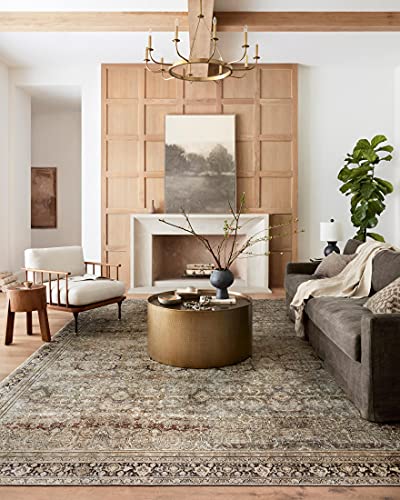
Best for casual or traditional living rooms
3. Loloi Layla Olive/Charcoal Area Rug, 7’6 x 9’6
A printed Loloi Layla area rug in olive and charcoal, listed at 7 feet 6 inches by 9 feet 6 inches (about 8×10) with a traditional, timeless look. Check the current listing for pile, material and other sizes.
Suits: casual or traditional living rooms. Strengths: a large size and a patterned, forgiving look. Weaknesses: the aged look will not suit a crisp, minimalist room. Skip it if you want a clean modern look.

View Loloi Layla Olive/Charcoal Area Rug, 7’6 x 9’6 on Amazon
Best for budget-conscious buyers
4. Mohawk Home Prismatic
A printed rug from a large flooring name, with a geometric design and a modest price tier. A good option for a first apartment or a space you plan to change soon.
Suits: budget-conscious buyers. Strengths: affordable and widely available. Weaknesses: printed designs can fade over time. Skip it if you want a woven or hand-finished feel.
View Mohawk Home Prismatic on Amazon

Best for busy living rooms
5. Unique Loom Trellis Frieze
A textured, low-maintenance rug with a trellis motif and a crisp, modern look. The frieze texture gives some depth without a long pile that catches crumbs.
Suits: busy living rooms. Strengths: textured surface and easy care. Weaknesses: less plush underfoot. Skip it if you sit on the floor often.


Best for classic decor
6. Safavieh Vintage Hamadan
An oriental-style rug with an aged, antique look, suited to traditional furnishings and wood floors. Deep colors help it hide stains in high-traffic spots.
Suits: classic decor. Strengths: rich color and pattern. Weaknesses: busy designs can clash with strong patterns elsewhere. Skip it if your room is already heavily patterned.

Care and Setup
- Lay a rug pad under every rug on a hard floor.
- Vacuum regularly and turn the rug now and then so wear is even.
- Blot spills straight away rather than rubbing them.
- Let a new rug lie flat for a day or two so folds relax.
Mistakes to Avoid
- Buying a rug that is too small for the seating area.
- Skipping the rug pad.
- Picking a high pile for a room with heavy foot traffic.
- Choosing by photo without checking the exact size listed.
Questions to Ask Before You Buy
- What are the exact measurements of the floor zone I want to cover?
- Which pieces of furniture should sit on the rug, partly on it, or off it?
- Does the room get heavy foot traffic, sun or pet activity?
- Does the maker’s listing describe the pile height and the backing?
- Will a door or vent clear the rug edge?
- Do I need a separate pad, and does the listing say whether one is advised?
Matching It to Your Room
Begin with the layout. Open plan spaces benefit from a rug that marks out zones, such as a seating area or a dining set. In a small room, a lighter tone can make things feel airy, while a busy pattern hides crumbs and daily wear. Consider the floor beneath: hardwood, tile and carpet each work with different pads.
Look at texture as well. A thick pile feels cozy in a bedroom but may catch chair legs in a kitchen. Low pile is easier for vacuuming and for sliding furniture. Hold a swatch against your sofa and curtains in daylight and evening light.
Compatibility Checks
Robot vacuums, wheelchairs and rolling chairs all behave differently on various pile heights. Check the maker’s listing and instructions for cleaning methods, and confirm whether your floor finish needs a particular pad. Rugs shipped rolled may need time to lie flat.
Who Should Skip It
Renters who move often might find large rugs awkward to carry. Those with allergies can look at flat weaves or consult the maker’s guidance.
Measuring and Layout Rules That Prevent a Wrong Size
Most rug regrets come down to size. Before you shop, measure the room and then mark out the rug area on the floor with painter’s tape. Seeing the shape on the floor tells you more than any rule of thumb, and you can walk around it to see how it feels.
There are a few common layouts. In the first, all furniture legs sit on the rug, which works in large rooms and gives a calm, unified look. In the second, only the front legs of the sofa and chairs sit on the rug, which is the most common choice and suits many living rooms. In the third, the rug floats in the middle of the group with all legs off, which tends to suit smaller spaces but can look undersized if the rug is too small.
- Leave a border of bare floor around the rug so the room does not feel crowded.
- Make sure the rug does not block doors, vents or cabinet fronts.
- Check that a coffee table sits fully on the rug rather than straddling an edge.
- Round tables and L-shaped sofas can change which shape works best.
Listed sizes are nominal, and the real dimensions can differ slightly, so check the exact figures on the current listing.
Pile, Weave and Fiber Choices Explained
The way a rug is made affects how it looks, feels and wears. Pile height is the length of the fibers: low pile is flatter, easier to vacuum and kinder to doors and furniture, while high pile feels softer underfoot but traps more dirt and can be harder to keep tidy. Frieze and textured styles sit in the middle, adding depth without a long pile.
Construction also matters. Machine-made rugs are common and often more affordable, and they come in many patterns. Hand-knotted or hand-tufted rugs are different products and not what the entries here describe, so check the listing for how a specific rug is made. Printed designs lay color on the surface, which can wear differently than woven designs where the pattern runs through the fiber.
For fiber, synthetic options such as polypropylene are widely used for stain resistance and easy cleaning. Natural fibers such as wool or cotton may feel richer but often need more careful care. Listings sometimes use vague words for material, so read the full description and any care label notes rather than relying on a title. If the material is unclear, ask the seller before buying.
Rug Pads and Different Floor Types
A pad does three jobs: it keeps the rug from sliding, adds a little cushion, and protects the floor beneath. Skipping one on a hard floor is a common cause of slipping and of rug edges curling. The right pad depends on the floor and the rug, so read the pad maker’s notes on compatibility.
On hardwood, choose a pad that the maker says is safe for finished wood, since some materials can discolor or stick to certain finishes. On tile or stone, a grippy pad helps with slipping, and a thicker option adds comfort. On carpet, a rug on top of carpet can shift and bunch, so look for a pad made for that use or consider a low, flat rug.
Size the pad slightly smaller than the rug so the edges do not show and the rug can lie flat. Thickness changes how the rug sits against doors and furniture, so check clearance before you buy. If you have a robot vacuum or roll chairs across the rug, a thinner pad and low pile are usually less troublesome. Replace a pad when it flattens, crumbles or stops gripping.
Cleaning, Stain Care and Wear Over Time
Good habits keep a rug looking better for longer. Vacuum on a regular schedule to lift grit, which acts like sandpaper on fibers. For rugs with a longer pile or fringe, check the maker’s guidance, since some vacuum settings or beater bars can damage them.
When something spills, blot from the outside toward the center with a clean cloth and avoid rubbing, which pushes liquid deeper and can fray fibers. Test any cleaner on a hidden corner first, since some products can change color. For printed or dyed rugs, avoid harsh chemicals unless the maker says they are safe.
- Rotate the rug every so often so sun and foot traffic wear it evenly.
- Use furniture pads under heavy legs to reduce dents.
- Shake out or beat small rugs outdoors if the care notes allow it.
- Call a professional cleaner for large stains or delicate fibers.
New rugs may shed some fibers at first or have a smell from packaging, which usually fades with airing and vacuuming. Check the listing and care label for the maker’s advice.
Budget Tiers and Signs It Is Time to Replace
Rugs come in broad price tiers, and each trades something. Lower-cost rugs, often printed or lightly constructed, suit a first home, a rental or a room you plan to restyle, though they can be thinner and may show fading or wear sooner. Mid-range rugs often offer better construction and more material choices. Higher-priced rugs may use denser weaves or natural fibers and can last longer when cared for, but they are a bigger commitment.
Think about how long you plan to keep the rug and how hard the room works. A rug in a busy family room takes more punishment than one in a quiet reading corner, so spending more on the first may pay off. In a space you will change soon, a simpler option is a sensible choice.
Signs that a rug is nearing the end include bald patches where the pile has worn flat, edges that fray or unravel, a backing that crumbles or cracks, persistent odors that do not go away after cleaning, and curling that a pad cannot fix. A rug that has become a trip hazard should be replaced or repaired. Before you buy a new one, measure again, since a household’s needs change over time.
A Room-by-Room Checklist for Choosing a Rug
A rug that looks wonderful online can disappoint in a real room if the scale or texture is wrong. This checklist helps you compare the six rugs above in the context of your own home.
- Sketch the room and mark where the furniture will sit before you choose a size.
- Decide how much foot traffic the area receives, from a quiet bedroom to a busy hallway.
- Check the stated pile height and the material, and think about whether you want a soft or a flat feel.
- Look at colors in relation to your walls, floor and upholstery.
- Read the care instructions and consider how often you can vacuum or clean.
- Consider whether you need a rug pad for grip and cushioning.
Bringing a tape measure into the room helps more than any online tool. Lay painter tape on the floor in the shape of the rug and live with it for a day or two. You will quickly notice if the proportions feel off.
Flatweave, Low Pile and Shag Compared
The rugs in this guide span different constructions, and each suits a different purpose. The table compares them.
| Construction | Feel | Best use | Care note |
|---|---|---|---|
| Flatweave | Thin and smooth | Dining areas and entrances | Easy to vacuum |
| Low pile | Dense and tidy | Living rooms and hallways | Handles regular traffic |
| Medium pile | Soft underfoot | Bedrooms and lounges | Vacuum on the right setting |
| Shag or high pile | Plush and cozy | Quiet spaces | Can trap debris and needs gentle care |
If chairs slide in and out, a flat or low pile rug is much easier to live with. If comfort matters most, a thicker pile feels welcoming but takes more upkeep. Match the texture to the way you use the room.
Steps for Settling a New Rug
A new rug often arrives rolled and may take a little time to relax. These steps help it look its best.
- Unroll it in the room and let it rest flat for a day or two.
- Rotate it so any natural fold lines sit under furniture.
- Place a pad beneath it if the floor is hard or slippery.
- Vacuum gently at first, following the maker guidance for the construction.
- Rotate the rug every few months so wear and sun exposure even out.
Some rugs shed loose fibres at first, which is normal for certain materials, and it usually settles after a few cleanings. If you notice an odor or persistent problem, consult the maker information.
Layering and Mixing Rugs in One Space
A smaller rug on top of a larger neutral one adds texture and lets you refresh a room at modest cost. Keep one rug simple and let the other carry the pattern, and choose colors that share a thread. Make sure edges lie flat to avoid tripping, and use a pad between layers if the manufacturer suggests it.
Choosing Colors That Work Together
Color can feel like the hardest decision, but a few ideas make it easier. Look at the biggest surfaces in the room first, such as the sofa, curtains and walls, and pick a rug that either echoes one of them or offers a calm contrast. A patterned rug pairs well with plain upholstery, while a plain rug lets bold furniture take the lead.
Darker rugs hide marks and suit busy households, and lighter ones make a room feel open but may show dirt sooner. Pay attention to lighting, because colors shift between daylight and evening bulbs. If possible, compare the stated color name with several photos, and read the maker description for a sense of the true shade.
How the Picks in This Guide Compare With Each Other
A list of six good options only helps if you can narrow it down, so use this section to turn the six area rugs above into a shortlist of two. The method is simple and it works for almost any product in this guide. First, decide the one job your area rug must do well every single day. Second, read the earlier section on each pick and note its stated strength and its stated limitation in a few words. Third, remove any pick whose limitation clashes with that main job. What remains is usually a genuine choice between two designs rather than a guess between six.
Safavieh Madison Collection. Treat this pick as the reference point for its style in the list above. The section on it earlier in this guide sets out who it suits, what it does well and where it falls short, so compare every other option against those three points before you decide. If the limitation named there would bother you every day, cross it off early and save your time. If the strength named there matches the job you actually need done, it deserves a place on your final shortlist of two.
nuLOOM Moroccan Blythe. This option makes most sense when its described strengths line up with your room, your routine and the people who will use it daily. Read its earlier section once more and underline, in your mind, the one detail that matters most to you, whether that is size, material, storage, comfort or ease of cleaning. Then check that same detail on the listing itself, because listings change and the current page is the final word on what you will receive.
Loloi Layla Olive/Charcoal Area Rug, 7’6 x 9’6. Buyers often overlook this kind of middle option because it is neither the simplest nor the most elaborate choice in the guide. That can be a mistake. A balanced pick usually asks for fewer compromises in daily use, even if it wins no single category outright. Compare it honestly against the pick above and the pick below it in this guide, and judge it on the full week of use it will get rather than on one standout feature.
Mohawk Home Prismatic. Treat this pick as the reference point for its style in the list above. The section on it earlier in this guide sets out who it suits, what it does well and where it falls short, so compare every other option against those three points before you decide. If the limitation named there would bother you every day, cross it off early and save your time. If the strength named there matches the job you actually need done, it deserves a place on your final shortlist of two.
Unique Loom Trellis Frieze. This option makes most sense when its described strengths line up with your room, your routine and the people who will use it daily. Read its earlier section once more and underline, in your mind, the one detail that matters most to you, whether that is size, material, storage, comfort or ease of cleaning. Then check that same detail on the listing itself, because listings change and the current page is the final word on what you will receive.
Safavieh Vintage Hamadan. Buyers often overlook this kind of middle option because it is neither the simplest nor the most elaborate choice in the guide. That can be a mistake. A balanced pick usually asks for fewer compromises in daily use, even if it wins no single category outright. Compare it honestly against the pick above and the pick below it in this guide, and judge it on the full week of use it will get rather than on one standout feature.
When two picks still look equal after that exercise, let the practical details decide. Check the measurements given on each listing against the space you measured at home. Check what the listing says about assembly, installation or first use, and how much of that work falls on you. Check the care instructions, because a area rug that needs gentle handling will not suit a busy household no matter how good it looks in photos. The pick that fits your space, your routine and your patience is the right one, even if another pick looks better on paper.
Getting the Size and Layout Right
Size is the decision buyers regret most with rugs, because a rug that is slightly too small makes a whole room look unsettled. In living areas, aim for at least the front legs of sofas and chairs to sit on the rug, which ties the furniture into one group. In dining areas, the rug should extend beyond the table on every side so chairs stay on it when pulled out. At an entryway, the rug should cover the full swing of the door plus the first steps inside, where dirt actually lands.
Measure with the furniture in place and mark the corners with tape on the floor before ordering. Live with the taped outline for a day. You will notice whether the rug would block a door, cover a floor vent or leave a narrow strip of bare floor that collects dust and looks like a mistake. Listings give nominal sizes that can vary slightly in the making, so allow a small tolerance and prefer the larger size when your measurements fall between two options.
Door clearance decides many entryway choices. A thick rug under a door that was hung for bare floors will drag, fray and eventually stop the door closing. Measure the gap beneath each door the rug will sit under, and compare it with the pile height in the listing. Low profile designs exist precisely for this problem, and choosing one is not a compromise but the correct engineering for the spot.
Fibres, Pile and How the Rug Will Wear
Natural and synthetic fibres age differently. Wool feels resilient, hides soil well and springs back under furniture, but costs more and needs gentler cleaning. Cotton lies flat, washes more easily in small sizes and suits casual rooms, though it shows wear sooner in heavy traffic. Synthetics such as polypropylene shrug off stains and moisture, which makes them the workhorses of entryways, kitchens and homes with pets, even if they lack the depth of wool.
Pile height controls both comfort and maintenance. A deep pile feels luxurious underfoot in a bedroom but traps grit, resists vacuuming and shows every footprint. A low pile or flatweave gives up some softness and gains easy cleaning, clear door swing and a safer surface for anyone unsteady. Match the pile to the traffic: the busier the path across the rug, the lower and denser the pile should be.
Backing and rug pads are part of the purchase, not an afterthought. A pad holds the rug still, cushions the pile so it wears more slowly and protects the floor beneath from abrasive backing. On hard floors a felt and rubber pad does all three jobs. On carpet, a different style of pad stops the rug creeping. Skipping the pad to save money shortens the life of both rug and floor, which is false economy.
Cleaning, Stains and Seasonal Care
Vacuum little and often rather than deeply and rarely. Grit that settles into the base of the pile acts like sandpaper with every step, cutting fibres from below. A few passes each week in high traffic lanes prevents that damage. Use suction without a beater bar on delicate or looped piles, and vacuum the back of the rug occasionally too, then vacuum the floor beneath before relaying it on its pad.
Deal with spills in the first minutes and most will never become stains. Blot, never rub, working from the edge of the spill inward so it does not spread, and use plain water first before reaching for products. Test any cleaner on a hidden corner, because dyes and fibres react unpredictably. Mud is the exception to the hurry: let it dry fully, then vacuum the loose dirt away before treating what remains.
Rotate the rug a half turn every few months so traffic and sunlight fall on different areas. This one habit evens out fading and wear more effectively than any cleaning product. In entryways, a seasonal rhythm helps too: a heavier, darker mat for wet months that traps more water, and a lighter one for dry months that is easier to shake out. Store a spare rolled, not folded, with the pile facing inward.
Safety, Curling Edges and Other Fixes
A rug that slides or curls is a fall waiting for a tired moment. Corners curl when a rug has been stored folded, when the backing dries out or when furniture holds one edge under tension. Reverse rolling the rug overnight, weighting the corner, or applying rug tape or a proper pad usually corrects it. If a corner keeps lifting after those steps, move the rug to a lower traffic spot or retire it, because a lifted edge in a hallway is not worth the risk.
Shedding alarms new owners but is normal for many constructions, especially cut pile wool and shag designs. Loose fibres work their way out over the first weeks and the rate should slow steadily. Vacuum gently and often during that period rather than pulling at loose strands. Shedding that stays heavy after months of use, or that leaves visible thin patches, points to a quality problem rather than a settling period.
Fading follows sunlight with complete fairness. A rug half in a sunny patch will fade unevenly no matter its quality, so use curtains, rotation or a different layout to share the light. If fading has already happened unevenly, rearranging furniture to cover the sharpest contrast lines can make the difference less obvious while the rest of the rug catches up over time.
A Final Checklist Before You Order
Check five things before you order. One: the taped outline on your floor, lived with for a day, still looks right and blocks nothing. Two: the size takes the furniture legs or the traffic it is meant to take, rather than floating short of both. Three: the pile clears every door that swings over it, with the pad included in the measurement. Four: the fibre suits the room’s traffic, moisture and sunlight. Five: you have the right pad for your floor type in the same order, so the rug is safe and still from its first day.
Colour deserves a last honest look in your own light. Order a sample where the seller offers one, or hold the smallest size in the design against your floor and curtains morning and evening. Room light changes colour more than any photograph admits, and a rug is too large a presence to discover a clash after it is unrolled and the furniture is back in place.
When the rug arrives, unroll it fully, let it settle, and check the edges, the size and the colour before moving heavy furniture onto it. Creases and curls from rolling usually relax within days, helped by reverse rolling and weight on the corners. That settling week is also the moment to confirm the pad is doing its work, because a rug that moves early will only move more as the backing and floor polish each other smooth.
More Questions About area rugs
Should I buy the rug or the rug pad first?
Choose the rug first for size, material and pile, then buy the pad cut to suit it and your floor type. The pad should sit slightly smaller than the rug so its edges never show. Buying them together avoids the common outcome of a good rug sliding on a bare floor for months while the pad decision is postponed, which wears both the rug backing and the floor finish.
How do I know if a rug will fit under my door?
Measure the clearance beneath the closed door at its lowest point, then compare it with the pile height given in the listing, remembering that a pad adds a little more. If the total is close to the clearance, choose a lower profile design. Entryway rugs in particular must clear the door every time, in all weathers, including when the mat is wet and slightly swollen with water.
Why does my new rug smell, and will it fade?
Many new rugs carry a packaging and fibre smell that airs out within days in a ventilated room. Unroll the rug, open a window, and give it time before judging it. A smell that stays strong after a week of airing is worth raising with the seller. Keep the rug out of the box and flat during that period, which also helps creases and curled edges relax.
Can I put a rug on top of carpet?
Yes, with the right pad designed to grip carpet, otherwise the rug will creep and wrinkle as you walk on it. Low pile rugs behave better on carpet than thick ones, which can feel unstable. In bedrooms a rug over carpet is mostly decorative, so choose it for colour and softness. In traffic areas over carpet, expect some movement and check the edges regularly so they do not become a trip line.
How do I choose a rug colour that hides daily life?
Mid tones and patterns with some variation hide crumbs, pet hair and everyday marks far better than solid pale or solid very dark colours. Match the dominant tones to your floor and largest furniture so the rug settles into the room, and consider the colour of your pet’s hair and the mud your climate produces. A sample or a smaller version in the same design, where available, is worth testing in your own light.
What should I do about a spill straight away?
Blot with a clean cloth, working inward from the edge, and use plain cool water first. Rubbing spreads the spill and damages the pile, so resist it even when you are in a hurry. For mud, let it dry and vacuum it up before treating any mark left behind. Test any cleaning product on a hidden corner first, because fibres and dyes react in ways no label can fully predict.
How often should a rug be professionally cleaned?
It depends on traffic, pets and allergies in the home. A lightly used bedroom rug may only need it rarely, while an entryway or family room rug benefits from a deep clean when vacuuming and spot care no longer restore it. Between professional cleans, regular vacuuming and prompt spill care do most of the work. Always tell the cleaner the fibre type, since wool, cotton and synthetics need different handling.
Is a bigger rug always better in a living room?
Not always, but too small is the more common mistake. The rug should at least take the front legs of the main seating so the group reads as one arrangement. Beyond that, leave a border of floor visible around the room so the rug looks chosen rather than wall to wall. In very small rooms a rug that runs under everything can make the space feel calmer than a small island floating in the middle.
Photograph the room before and after laying a new rug, from the doorway where you most often see it. Photographs reveal proportion problems your eyes forgive in person, such as a rug that is slightly crooked, a pattern that fights the curtains, or a size that leaves an awkward strip of floor. Adjusting in the first day, while returns are simple, is far better than noticing in a photograph months later.
Keep offcuts of information, not just the rug. Note the fibre, the size and the cleaning guidance from the listing somewhere in your home records. When a stain happens or a cleaner asks questions years later, that note answers instantly. It also helps if you ever want a matching runner or a replacement in the same design and colour family.
Let the rug settle into the room before judging the whole scheme. Live with it for a week of ordinary life: shoes, pets, furniture shadows and evening light all change how a pattern reads. Many rugs that seemed bold on the first day become the calm background of the room once the eye adjusts, and many safe choices reveal themselves as dull. That week of patience, while the rug can still be moved or exchanged, is worth more than another hour of comparing photographs.
Keep the traffic lanes in mind when you clean and when you place furniture. The strip of rug between the door and the sofa, or between the bed and the bathroom, will wear years ahead of the corners. A runner over that lane in matching or plain material can take the punishment and be replaced cheaply, protecting the main rug. It is an old hotel trick, and it works just as well in a family hallway or beside a much loved bed.
Live with the rug’s sound as well as its look. A rug softens a room’s acoustics in ways visitors notice without naming: footsteps quieten, voices lose their echo, and a hard floored room becomes a place people linger. That is part of why a correctly sized rug transforms a space out of proportion to its cost. When you assess your choice after a week, listen as well as look, especially in hallways, bedrooms and open plan rooms where hard floors carry every sound from one end of the home to the other.
Plan for the rug’s middle age, not just its first month. Fibres will settle, the pile will find its traffic pattern, and colours will soften slightly. Designs with some pattern and tonal variation age gracefully through that process, while stark, flat colours show every stage of it. None of this is a defect; it is the normal life of a floor covering. Choosing a design whose ageing you will enjoy is as much a part of the purchase as choosing its size.
If the household includes a wheelchair user, a walking frame or a pushchair, test the rug with those wheels early. Thick pile and loose edges resist wheels and can trip the people pushing them, while low, dense, well padded rugs roll smoothly and stay put. The right choice differs by household in ways no photograph can show, which is why the settling week, with all the home’s real traffic crossing the rug, is the truest review it will ever receive.
Keep the listing details and a photograph of the rug in place with your home records. Insurance claims, matching purchases and cleaning instructions all become simpler with that small file. It takes two minutes on the day the rug looks its best, and it may save real money and argument years later. Good homes run on small records like these, kept once and used rarely but gratefully.
Do not forget the skirting boards and the floor you are protecting. A rug changes how a floor wears: the covered area stays darker and less worn than the exposed border, which matters in rented homes and in rooms you may later rearrange. A pad reduces that contrast by keeping grit from grinding beneath the rug. If you plan to move the rug within a year or two, mention the floor protection to yourself now and choose the pad as carefully as the rug.
In the end, a rug is the largest textile decision in a room and the one most worth taking slowly. Measure twice, tape the outline, live with it, check the doors, choose the fibre for the life the room actually lives, and buy the pad in the same breath. Do those things and the rug almost chooses itself from the designs in this guide. The room will tell you it was right every time you walk into it and feel, rather than see, that something has settled.
Area Rugs FAQ
What size rug do I need for a living room?
Many people choose an 8×10 for a standard sofa grouping, but measure your own layout first. Check the sizes offered in each line.
Are cheaper rugs worth it?
They can be, particularly for rooms that change often. Expect less thickness and some fading.
Should the rug match the sofa?
It should complement it. A contrast in tone or pattern usually looks better than an exact match.
How much of the furniture should sit on the rug?
A common choice is to have at least the front legs of the sofa and chairs on the rug. Large rooms may suit all legs on, and small rooms may suit a floating layout. Tape the shape on the floor first to see what works.
Do I need a rug pad on carpet?
A rug on carpet can shift and bunch, so a pad made for use over carpet or a low, flat rug can help. Check the pad maker's guidance for compatibility.
Is low pile or high pile better?
Low pile is easier to vacuum and works well with doors and furniture. High pile feels softer but traps more dirt. Pick by how the room is used.
Will a printed rug fade?
Printed designs can fade over time, especially in strong sunlight. Rotating the rug and limiting direct sun can slow this down. Check the listing for any maker notes.
How do I get rid of the smell of a new rug?
Unroll it in a ventilated room and let it lie flat for a day or two, then vacuum. The smell from packaging usually fades. Follow the maker's care notes.
Can I use a rug with a robot vacuum?
Many robot vacuums manage low pile better than high pile, and fringe can get caught. Check your vacuum's manual and the rug listing before you decide.
How often should I rotate a rug?
Rotating every few months helps even out wear and sun exposure. There is no fixed rule, so adjust it to how much traffic and light the rug sees.
The Short Version
For range, the Safavieh Madison. For neutral style, the nuLOOM Blythe. For a faded look, the Loloi II Layla. For budget, the Mohawk Prismatic. For easy care, the Unique Loom Trellis Frieze. For classic tones, the Safavieh Vintage Hamadan.