Disclosure: As an Amazon Associate, airfryerkitchensupply.com earns from qualifying purchases. Links to Amazon on this page are affiliate links; they cost you nothing extra. Listing details such as price and availability change often, so check the current Amazon listing before you buy.
Thick pile gets the attention in rug stores, but plenty of rooms are better served by something thin. A flatweave rug has no raised loops or tufts. The pattern is woven straight into the fabric, so the surface is smooth and the rug lies close to the floor. That makes it the natural answer when doors clear the floor by a hair, when a robot vacuum keeps stalling on deep pile, or when you want a base layer under something plusher.
If you are comparing the best flatweave rugs, the real decisions are fiber, weave tightness and how you plan to clean the rug. This guide covers five widely sold options, from handwoven cotton to a rag-style rug to a machine-washable boho design, and then explains how flatweaves behave in bathrooms, bedrooms and under furniture.
We also answer practical questions about keeping thin rugs from creeping on carpet, what to lay over a shag rug, and how to wash a low pile rug that has a rubber back.
Quick Comparison
| Product | Best for | Main point | Link |
|---|---|---|---|
| Safavieh Montauk Collection Handwoven Cotton Rug | Bedrooms and living areas | Cotton flatweave, reversible look | Check on Amazon |
| Design Imports Variegated Cotton Rag Rug | Kitchens and casual spaces | Chindi style that is easy to refresh | Check on Amazon |
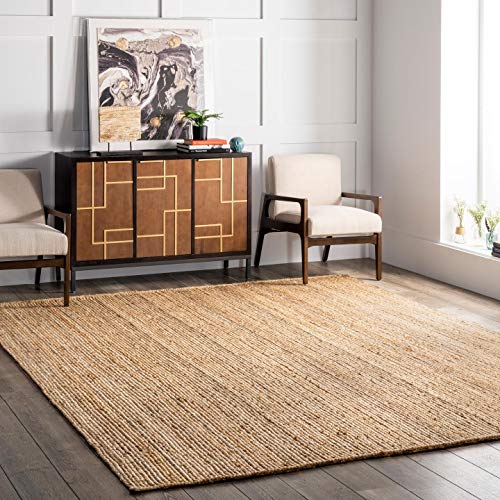
| nuLOOM Rigo Hand Woven Jute Rug | Layering under a softer rug | Natural fiber with a flat, textured feel | Check on Amazon |
| Mohawk Home Cotton Reversible Bath Rug | Bathrooms | All cotton, low profile | Check on Amazon |
| Ophanie Machine Washable Boho Area Rug | Easy upkeep rooms | Thin washable construction | Check on Amazon |
In this guide
How These Options Were Chosen
This list comes from manufacturer descriptions, published specifications and the wording on retail listings, not from personal use. We have not used these products ourselves. We looked for flat construction, a fiber that suits a purpose such as cotton for bathrooms or jute for layering, and a cleaning method that is clear from the listing. Because thin rugs differ widely in weight and backing, please read the current description for pile height, weave type and washing steps before ordering.
The Best Flatweave Rugs for Floors That Need Thin Coverage
Safavieh Montauk Collection MTK Handwoven Cotton Area Rug
Safavieh’s Montauk line is one of the better known cotton flatweave families, with striped and geometric patterns in muted colors. The cotton weave gives a flat, slightly textured surface that is easy on a doorway or an under-bed placement, and many versions show the pattern on both faces.
It suits bedrooms, dens and casual living rooms, particularly in homes that lean toward a relaxed farmhouse or coastal look. The trade-off with any thin cotton rug is that it has little cushion underfoot, so a hard floor will feel hard. Handwoven cotton can also shift if left unsecured, which is where a separate grip pad earns its place.
If you want your first flatweave and enjoy an all-cotton surface, this is a sensible place to compare patterns. Skip it if you want something plush.
Design Imports Contemporary Home Variegated Cotton Chindi Rag Rug
Rag rugs are a long-standing flatweave tradition, made from strips of cotton fabric woven into a thick, flexible mat. Design Imports sells a variegated chindi-style version in colorful bands that hide everyday wear well. The lively mix of colors means a stray crumb or a scuff does not stand out.
It works for a kitchen sink area, a laundry room or a sunroom, where a casual look is welcome. The main trade-off is texture: rag weaves have a slightly ribbed hand and are not as fine as a tight cotton stripe. Edges can also curl on smooth floors, so a pad underneath is worth considering.
Check the listing for available runner and rectangle sizes. It is a good candidate if you like a rug that can be cleaned according to its care label and refreshed without fuss.
nuLOOM Rigo Hand Woven Jute Area Rug
Jute is a natural fiber with a dry, earthy surface, and nuLOOM’s Rigo line is a familiar example. It is usually described as a chunky woven rug with a low profile, which makes it a handy base layer. Many decorators lay a smaller patterned rug or a hide on top of a natural fiber rug to add depth.
That layering role is its strongest argument. A jute base adds color-neutral texture and visually widens a room without piling up thick height. Its limitations are comfort and care: it is coarse underfoot compared with cotton, and natural fibers generally do not like water or heavy scrubbing, so check the maker’s cleaning notes.
Skip it for a bathroom or an entry that sees wet shoes. It is best in a dry living room or bedroom where it can sit under furniture or other rugs.
Mohawk Home Cotton Reversible Bath Rug
Bathrooms are where flatweave and cotton make the most obvious sense. A thin all-cotton rug lets the door swing, dries more quickly than a thick tufted mat, and can go through the laundry. Mohawk Home offers a reversible cotton bath rug, which is the type of product people search for when they want an all cotton bathroom rug.
It is a good match for a modest bathroom with a standard door. A flat reversible rug also gives you a fresh side to use between washes. The trade-off is that cotton on tile can slide, so you may want a grip pad, and thin weaves feel less cushiony than the plush mats common in hotels.
Review the listing for the exact size and whether the maker suggests washing alone. Skip it if you want a thick, spongy bath mat.
Ophanie Machine Washable Boho Area Rug
Not every thin rug is natural fiber. Ophanie sells a machine-washable boho rug in a thin synthetic construction, with a pattern that favors a relaxed, neutral look. It is the sort of rug people shop for when laundry convenience matters more than a hand-loomed pedigree.
It suits a dining area, a quiet hallway or a rental apartment where you would like a flat rug that goes into the washer when it needs a refresh. The usual caveats apply: a thin washable rug is light, so it needs a grip pad on slick floors, and a large size can be awkward for a home machine.
Read the care instructions closely, because washable rugs with a backing may have different steps than those without. It is a choice for convenience first and tradition second.
Best Flatweave for Cotton Lovers
The Safavieh Montauk is the one to open first if you want a cotton rug for a bedroom or a master suite. It has a reversible character, a calm pattern range and a surface that suits low furniture. Remember that the cushion is minimal, so consider a pad for comfort as well as grip.
Best Flatweave for Bathrooms
Choose the Mohawk Home cotton reversible rug when the room is a bathroom. Thin cotton clears the door, goes in the laundry and offers two sides to rotate. A rubber grip pad under it helps on tile, but check that the pad is suitable for your floor.
Best Flatweave for Layering
The nuLOOM Rigo jute rug makes the best base for a stack. Put it down first, then add a smaller patterned flatweave or a cozy hide on top. This is also a tidy answer to the question of what to put over shag rugs: lay a flat rug above a tired shag only if the shag is low and even.
Best Flatweave for Easy Washing
For a machine-washable surface, the Ophanie boho rug is the one to look at. It takes the guesswork out of a refresh, and its flat construction does not trap crumbs the way a deep pile can. Check the washing steps and the rug size against your machine before you buy.
How to Choose a Flatweave Rug
Begin with fiber. Cotton is soft to the touch, takes dye well and is generally the easiest to launder. Jute and other plant fibers add texture but do not suit damp rooms. Synthetic blends can be easier to clean and often resist fading, but they differ widely in feel. A listing that names the fiber clearly is a good sign.
Next, think about thickness. Flatweaves are described by terms such as low pile, thin weave and flat woven, and they are a good fit for rooms with tight door clearance or for people with a robot vacuum that struggles on deep pile. If you want some softness, plan on adding a pad. A felt or felt-and-rubber pad gives extra cushion and keeps a thin rug in position.
Size and placement matter. A rug should be large enough that the front legs of sofas and chairs rest on it. In a bedroom, let it extend past the sides of the bed. A thin rug on a big open floor will ripple if it is not anchored, so use a pad cut slightly smaller than the rug.
Pay attention to the backing. Some low pile throw rugs are made with a rubber backing, which grips the floor but needs gentler care. Before you wash a rubber-backed rug, read the label, because heat and harsh detergents can damage the backing. When the maker says wash cold and air dry, follow it.
Finally, match the weave to the pattern you want. Tight weaves show crisp stripes and borders. Looser weaves look more rustic. If you plan to hang a rug on a line to beat out dust, a soft rug beater or a broom handle used gently is a common approach, but a flat woven structure can be stretched by harsh treatment, so go light.
Placement and Layering Notes
Follow the maker’s instructions for unrolling and for any pad you use. If a rug will go over a floor with underfloor heating or a delicate finish, check the flooring care guidance first. When stacking rugs, put the largest, flattest piece down first and keep the top layer smaller so the edges step down evenly.
To stop a flatweave moving on carpet, use a carpet-to-rug gripper pad designed for that pairing, or a low-tack double-sided tape suited to your floor. Check the product description for what it is made to hold. Rental and shared homes may have rules about what you can fix to the floor, so check before using any adhesive.
Care and Troubleshooting
| Issue | Suggested step |
|---|---|
| Rug creeps on carpet | Add a gripper pad made for rug-on-carpet use |
| Corners curl | Flatten under weight, or use a pad that reaches the corners |
| Rubber backing looks dry | Wash cold, air dry, avoid high heat |
| Fringe tangles | Comb gently by hand and avoid vacuum rollers on fringe |
| Dull color | Rotate the rug so sun and traffic wear evenly |
How to Compare Flatweave Rug Listings
Flatweave rugs are thin by design, so the usual shortcuts for judging a rug, such as pile height, do not apply. Instead, learn to read the details that actually separate one flat rug from another. Look first at the fiber content. Cotton feels soft and casual, jute has a coarse natural texture, and polyester blends tend to hold printed patterns sharply.
Next, look at how the rug was made. Handwoven and machine-made pieces can both look appealing, but the listing wording tells you what to expect from the edges and the surface. Finally, confirm the backing. Some flat rugs have no backing at all, which keeps them thin and washable but means they usually need a separate pad underneath.
| Detail | What it suggests |
|---|---|
| Cotton fiber | Soft hand, relaxed look, often easy to launder |
| Jute fiber | Natural texture, better for dry, low-moisture areas |
| Reversible design | Two usable faces, handy for rotating wear |
| Rubber or latex backing | Helps grip but needs gentler laundering |
| Fringe or bound edge | Changes the finished look at the borders |
Compare the size options too. Many flat rugs come in a wide range of dimensions, and the right one depends on the furniture layout around it.
Materials and Construction Differences
The word flatweave describes how a rug is made rather than what it is made from. The yarns interlace in a tight pattern with no raised loops or cut pile, which is why the surface sits so close to the floor. That structure makes the rug easy to slide beneath a door and comfortable to vacuum, since there is nothing deep for dirt to settle into.
Cotton and rag styles
Cotton flatweaves and rag rugs, built from strips of fabric, are friendly and forgiving. They often handle gentle washing and tend to fade softly rather than sharply with time.
Jute and natural fibers
Jute brings an earthy look and a little structure, but plant fibers are usually less happy around water. Keep them to dry rooms and wipe up spills quickly.
Synthetic blends
Machine-washable and printed rugs often use polyester or similar fibers. These give you crisp patterns and easy care, though the surface may feel less natural underfoot.
Knowing these differences makes a listing far easier to decode, because the materials tell you where the rug is likely to be most comfortable.
Edges deserve their own attention. Some flatweaves finish with a bound border that resists curling, while others end in fringe that adds a relaxed touch but needs occasional combing. Fringe can also catch in vacuum brushes, so lift it out of the way before cleaning. A bound edge gives a tidier line against furniture and is often easier to live with day to day.
Common Buying Mistakes
Thin rugs trip people up in a few predictable ways. The most frequent is buying too small. A flat rug that stops short of the furniture can look like a doormat in the middle of a room, so choose dimensions that let at least the front legs of seating rest on the rug.
- Skipping a rug pad and then fighting a rug that creeps across a smooth floor
- Putting a natural fiber rug where it will see regular spills
- Assuming every flat rug is machine washable without reading the care label
- Expecting a flat rug to cushion the way a plush one would
- Ignoring how the edge will look against baseboards or thresholds
Another oversight is forgetting about color wear. Bold stripes and busy patterns hide footprints well, while solid pale shades show everything. Decide how much upkeep you are happy to take on before falling for a particular look.
Finally, give a new rug a day or two to relax after unrolling. Creases from shipping often flatten out on their own, and weighting the corners with furniture can speed up the process.
Think about the floor underneath as well. On hardwood, a pad helps prevent slipping and protects the finish. On carpet, a thin flatweave can ripple, so a low-profile grip designed for layering is worth looking at. In both cases, read the pad maker notes to be sure it suits your floor and rug backing.
Who Should Skip Which Type
A flatweave is a clever choice for rooms that need a low profile, but it is not the right answer everywhere. Anyone who wants a plush, sink-in feel underfoot should skip the thin styles and look at deeper piles instead. A pad can add some cushion, but the result still differs from a thick rug.
Jute and other plant fibers are a poor match for kitchens, entryways in wet climates and spaces where pets are likely to have accidents. Cotton or synthetic washable options are more sensible in those spots.
Quick guide
- Layering over carpet or another rug: pick a thin, lightweight flat style that will not bunch
- Bathrooms: choose a reversible cotton or washable option and let it dry fully between uses
- Dining areas: look for a pattern that disguises crumbs and a size that fits chairs when pulled out
- Rooms with sliding doors: confirm the rug thickness clears the doorway
Whatever type you choose, follow the care label exactly, because washing instructions differ between constructions.
Final Recommendation
If your priority is a classic, soft cotton look, Safavieh Montauk Collection MTK Handwoven Cotton Area Rug is a strong contender for living areas and bedrooms. For a rug you can wash and refresh at home, Ophanie Machine Washable Boho Area Rug is the practical alternative. Confirm the available sizes, backing and care instructions on each listing before you order.
A Deeper Look at the Criteria Behind These Picks
Reading a rug listing well is a skill in itself, because the photograph does most of the persuading while the details that decide daily satisfaction sit in the small print. Start with the job the rug has to do in your room. A rug that mainly anchors furniture needs to look right from standing height and hold its edges flat. A rug people will sit, stretch or play on needs surface comfort first. A rug in a traffic lane needs a surface that hides the evidence of that traffic. Writing down the single main job, in one sentence, before you compare designs will quietly eliminate half the listings you open, including some in this guide, and that is exactly what it should do.
Size, proportion and the furniture test
Proportion is where most rug purchases go wrong, and it has nothing to do with quality. Lay out the footprint with painter’s tape before you order, then live with the outline for a day. Check that chair legs stay on the rug when chairs are pulled out, that a sofa’s front legs sit comfortably inside the border, and that walkways across the rug feel natural rather than forced. In bedrooms, think about where your feet actually land in the morning. In dining spaces, the rug has to contain the whole chair movement, not just the table. The tape test costs nothing and answers questions that no product photo can, because it is about your room, your furniture and your habits rather than a styled showroom.
Pile, surface feel and everyday traffic
The surface of a rug decides how it feels, how it cleans and how it ages. A denser, lower surface tends to behave better under doors, castors and daily vacuuming, and it shows footprints and furniture marks less dramatically. A deeper, softer surface feels luxurious in a bedroom corner but asks more of your vacuum and shows a traffic path sooner. Neither is better in the abstract. Match the surface to the room’s real workload: the hallway end of a family home and a quiet reading corner are different assignments, and a rug that is perfect for one can be a daily irritation in the other. The reviews above note the surface character of each pick, so use them as your starting point and then picture your own heaviest-use day, not your tidiest one.
Fibre, backing and what sits underneath
Fibre choice shapes cleaning, feel and how a rug responds to sunlight and spills, while the backing decides how it behaves on your particular floor. Before you order, read the listing’s fibre and backing notes together rather than separately, and think about the floor underneath: smooth hard floors reward a pad for grip and cushion, while a rug over existing carpet needs a flatter profile to sit calmly. A pad is not an exciting purchase, but it prevents the slow creep, corner curl and uneven wear that make people dislike a rug they otherwise chose well. If the listing offers care or backing guidance from the maker, treat that guidance as part of the product, because following it is usually the difference between a rug that settles in and one that never quite does.
How This Kind of Rug Works in Real Rooms
It helps to picture the rug across an ordinary week rather than in a single styled moment. On weekday mornings it takes the first steps of the day, chair legs, dropped bags and pet traffic. At weekends it might host a board game, a yoga stretch, a nap or a pile of cushions. Guests notice the pattern; you will notice the edges, the feel underfoot and how it responds to a quick vacuum before visitors arrive. A flatweave has almost no pile, which makes it a natural fit under doors, dining chairs and desks. The trade-off is cushion: what you gain in clearance and easy cleaning you give back in softness underfoot. When you compare the picks above, keep asking which one fits the unglamorous version of your room, because that is the version the rug has to serve for most of its life.
Season and light change the picture too. A pattern that looks calm in soft evening light can look busy at noon, and pale tones that feel fresh in summer can feel stark in winter. If your room gets strong sun, rotation becomes part of ownership, turning the rug so light and traffic spread evenly. If the room doubles as a workspace, think about how the pattern reads behind you on a screen and whether chair movement will fight the surface. None of these considerations appear in a listing’s headline, yet together they decide whether a rug feels like a good decision three months later.
Matching the rug to the people who use the room
Households use the same square of floor very differently. A home with toddlers needs a forgiving pattern and a surface that tolerates crumbs, spills and frequent spot cleaning. A home with older dogs needs grip and a texture that does not trap hair deep in the pile. A household of adults who entertain often may care most about how the rug photographs, how it feels under socked feet and how quickly it recovers after furniture is moved for a gathering. There is no universal ranking hidden in this guide; there is only a ranking for your household, and the per-product notes above are written to help you build it.
Setting Up, Cleaning and Looking After Your Rug
When a new rug arrives, unroll it and give it time. Many rugs carry temporary creases or curled edges from being rolled for shipping, and patience, reverse rolling and the weight of furniture usually settle them without drama. Vacuum gently at first, following the maker’s care notes on the listing, and check how the surface responds before using stronger suction or a rotating brush. Place the pad, if you are using one, slightly smaller than the rug so its edge stays hidden, and re-check door clearance once everything is down, because rug plus pad can change a door’s swing more than people expect.
For routine care, little and often beats the occasional deep rescue. A regular vacuum keeps grit from working down into the base of the fibres, where it acts like sandpaper underfoot. Deal with spills promptly by blotting rather than scrubbing, working from the edge of the mark inward, and always test any cleaning product in a hidden corner first. Rotate the rug every few months to share out sunlight and traffic. If you store a rug, clean it first, roll it with the patterned side facing the way the maker recommends, and keep it somewhere dry and away from direct heat. These habits are unglamorous, but they are what keep the colours and surface you paid for looking the way they did in the listing photos.
Troubleshooting the common early problems
Most early complaints about a new rug are settling problems rather than defects. A corner that lifts can often be calmed with a pad, furniture weight or time. A new-rug smell usually fades with ventilation over the first days. Shedding, where a rug has a fibrous surface, is often heaviest at the start and eases with regular gentle vacuuming. Colour that looks different from the listing is most often a lighting issue: check the rug in daylight and in your evening lighting before deciding it is wrong, because warm bulbs shift creams and cool daylight sharpens blues and greys. Knowing which problems solve themselves helps you judge the rug fairly during its first fortnight.
Construction and Materials, in Plain Terms
Listings describe rugs by how they are made, and the construction word is worth more than the marketing word. A machine-made rug is produced on a loom at speed, which tends to give an even surface, consistent patterning and easy care; it is the workhorse construction behind most everyday rugs in guides like this one. A hand-finished or hand-woven rug is slower to make, shows slight irregularities that many buyers read as character, and often asks for gentler cleaning. A printed design carries its pattern on the surface rather than woven through it, which is how makers achieve detailed vintage looks at accessible sizes; the pattern will not wear in the same way as a woven one, and the surface feel is usually flatter. None of these is automatically superior. The right question is which construction matches your room’s traffic, your cleaning habits and the look you described when you started shopping.
What the backing and edges tell you
Turn a rug over, in the listing photographs at least, and you learn a second story. The backing shows how the surface is held together and hints at how the rug will sit on your floor, whether it will want a pad for grip, and how it will respond to being lifted for cleaning. Edges and binding show how the perimeter is finished; a cleanly finished edge lies flatter and resists the fraying that heavy door-side use can start. When two rugs in this guide look similar from above, compare them from below and around the border before you decide, because that is where their daily behaviour diverges.
A Room-by-Room Placement Walkthrough
In a living room, begin with the seating rather than the walls: the rug should unite the sofa and chairs into one conversation area, with at least the front legs of the main pieces resting on it, so the grouping reads as intentional. In a bedroom, the softest landing matters most, so favour the side of the bed where feet meet the floor in the morning and let the rug extend far enough toward the room to carry a bench or a pair of slippers. In a dining space, size for the chairs in motion, pulled out and occupied, not for the tabletop alone. In a hallway or entry, think in terms of the path people actually walk, which is rarely the exact centre, and choose a surface that forgives what shoes bring in. In a home office, protect the rectangle where the chair rolls, because that small patch of floor takes more punishment in a week than the rest of the room takes in a season.
Across all of these rooms the same sequence works: tape the outline, live with it for a day, check doors and drawers against it, imagine the room at its busiest, and only then open the listings again. Buyers who follow that sequence rarely exchange a rug for size reasons, and they read the reviews in this guide differently, because every pick is being measured against a real outline on a real floor rather than against a photograph of someone else’s room.
Comparing the Picks in This Guide, Side by Side
With the individual reviews read, the most useful final step is a deliberate comparison, because the picks above were chosen to differ from one another rather than to repeat the same formula. Use the comparison as a shortlisting exercise: for each option, write down the one strength from its review that matters most to you and the one trade-off you would have to accept. Most buyers find that a single option survives that exercise clearly, and the rest were attractive mainly in photographs. The notes below walk through the picks in the order they appear above and frame the question each one asks you.
Take the Safavieh Montauk Collection MTK Handwoven Cotton Area Rug first. The question it asks is whether its particular balance, as set out in its review above, matches the main job you wrote down for this purchase. Re-read its stated strengths with your room, routine or sleeping habits in front of you, and be strict: a strength you will never use is not a strength. Its trade-offs deserve the same honesty, because a trade-off that touches something you do daily will grow, while one that touches something you rarely do may never matter at all.
Next, the Design Imports Contemporary Home Variegated Cotton Chindi Rag Rug. Compare it directly against the option you have just considered rather than against an ideal that does not exist. Where the two differ, in construction, in intended use or in the care they ask for, ask which difference your household will actually feel. Listings make small differences look large and large ones look small; the reviews above are there to restore the proportions, so use the contrast between them as your sharpest tool.
The nuLOOM Rigo Hand Woven Jute Area Rug rewards a different kind of attention. Look at how it is meant to be used across a whole season or a whole year rather than on its first day, because designs in this part of a shortlist often justify themselves through durability of feel: how they settle, recover or hold up once novelty has gone. If your priority is a purchase you stop thinking about, that long-view quality may matter more than any first impression.
With the Mohawk Home Cotton Reversible Bath Rug, focus on fit in the broadest sense: fit with your space, your other furniture or bedding, and the people who will share it. A product can be excellent in isolation and wrong in combination, and this is the pick where the combination question is worth asking twice. Picture it in place on an ordinary evening, surrounded by the things it will actually live with, before you let its individual merits decide you.
Finally, the Ophanie Machine Washable Boho Area Rug is the option to measure your shortlist against if you are still undecided. Its review above makes its case plainly; if, having read all the others, you keep returning to it, that instinct usually reflects a real match between its character and your priorities. If instead its trade-offs are the ones you keep circling, take the hint and promote whichever alternative removes them.
One more comparison habit is worth adopting: compare the total proposition, not the headline. That means the product as described, plus whatever you will genuinely add to it, a pad, a protector, a cover, a cushion or a storage bag, plus the care routine you will actually keep up. Two options that look close on the listing can separate quickly once their real ownership costs in time and extras are counted. Conversely, an option that looks plain can win once you realise it needs nothing added and nothing special done to it. Let the reviews above supply the facts and let your own routine supply the verdict.
A Short Decision Checklist Before You Order
Before you buy, run through a final set of checks that catch the mistakes returns are made of. Confirm the exact dimensions on the live listing and compare them with your taped outline, because rug sizes are sometimes nominal rather than exact. Confirm the fibre, pile and backing notes, and re-read the maker’s care instructions to be sure they fit the cleaning routine you will honestly follow. Check the colour name as well as the colour picture, since names are steadier than screens. Decide on the pad at the same time rather than as an afterthought. Finally, re-read the single review above for the option you have chosen, including its stated trade-offs, and make sure you are buying it for the strengths it actually has. A rug chosen that carefully rarely disappoints, because the decision was made in your room, on your floor, against your routine, and not in a listing’s best light.
Notes for the Longer Term
Think, too, about sound. A rug softens a room acoustically as well as visually, absorbing the echo that hard floors and bare walls create. In flats and terraced houses this is a genuine courtesy to the people below and beside you, and it changes how a room feels for conversation, music and television. A thicker surface absorbs more, but even a flat weave takes the edge off a echoey room. If noise has been part of why a room feels unsettled, weigh that benefit alongside the look when you choose between the picks above.
Edges deserve a final word, because edges are where rugs succeed or fail in daily life. A rug whose border sits flat invites you to forget it; a rug whose corner lifts becomes a small daily negotiation with chair legs, vacuum heads and passing feet. When you read listing photographs, look at how the rug sits at its corners in room settings rather than only at the pattern in the centre. And once yours is down, give the edges the help of correct padding and sensible furniture placement before deciding the rug itself is at fault.
Finally, consider how the rug will leave. Rooms change: furniture is replaced, children grow, a study becomes a nursery and back again. A versatile design in a forgiving palette can migrate between rooms instead of being retired, which quietly makes it the best value option on the list even when it is not the most striking. As you make your final choice among the picks above, ask which one you can picture in a second room of your home. That flexibility is a real feature, even though no listing will ever print it in the specification table.
Frequently Asked Questions
What is the difference between a flatweave and a low pile rug?
A flatweave has no pile at all, because the pattern is woven into the fabric. A low pile rug has short tufts or loops, so it feels a little softer but is still thin.
Can I use a flatweave rug on carpet?
Yes, though thin rugs tend to shift. A gripper pad made for rugs on carpet helps, and it is wise to confirm the pad type against your carpet.
Are cotton flatweave rugs washable?
Many are, but always follow the care label. Some are spot-clean only, and rugs with a backing may need gentler steps.
How do I wash a low pile rug with a rubber back?
Use cool water, a mild cleaner and air drying if the label allows. Heat can harm rubber, so avoid hot dryers unless the maker says otherwise.
What should I put over a shag rug?
A smaller flat rug can sit on top of a low, even shag. For a deep shag, many people find it easier to remove it first.
What is the best way to beat dust out of a rug?
Hang it over a sturdy line outdoors and tap it gently with a rug beater or broom handle. Thin woven rugs do better with light pressure.
Do flatweave rugs work in the master suite?
They do. A cotton flatweave under the bed and extending beyond the sides gives a calm, layered look without crowding the floor.
How long should a new rug take to lie completely flat?
Give it several days to a couple of weeks depending on how tightly it was rolled for shipping. Reverse rolling, gentle heat from normal room warmth and the weight of furniture on the edges all help, and a pad underneath often finishes the job.
What is the best way to vacuum this kind of rug day to day?
Use regular, moderate suction and work in the direction that lifts the least surface fibre, following the maker’s care notes on the listing. Little and often is better than rare aggressive sessions, because ground-in grit does more damage than dust on the surface.
Can I layer this rug over another rug or carpet?
Layering works best when the top rug is the flatter of the two and the combination still lets doors open freely. Expect some movement at first, watch the edges for curling, and avoid layering in a heavy traffic lane where bunching would become a trip hazard.
How do I stop a rug from creeping across the floor?
Creeping usually means the rug needs friction underneath: a suitable pad, correctly sized and trimmed, is the standard fix. Clean, dry floors grip better than dusty ones, and heavier furniture placement can anchor a rug that only drifts at one end.
What should I do the first time I spill something on it?
Blot promptly with a clean cloth, working inward from the edge of the spill, and resist scrubbing, which pushes the mark deeper and roughens the surface. Test any cleaning solution on a hidden corner first and follow the maker’s stated care guidance for the fibre.
Is it worth rotating a rug that gets even use?
Yes. Even apparently even use concentrates in invisible traffic lanes, and sunlight rarely falls evenly either. Rotating every few months spreads both, keeps colour consistent and gives you a natural moment to vacuum underneath and check the backing and pad.
How should I store a rug I am not using?
Clean and fully dry it first, roll rather than fold it to avoid stubborn creases, and store it somewhere dry, ventilated and away from direct heat or sunlight. Check it occasionally during long storage so any moisture or pest problem is caught early.
Bottom Line
A flatweave rug is the right call when height matters more than cushion. Look at the Safavieh Montauk for cotton bedrooms, the Mohawk Home reversible rug for bathrooms, the nuLOOM Rigo for layering, the Design Imports rag rug for casual kitchens and the Ophanie washable rug for easy upkeep. Pair any thin rug with a pad that suits your floor, and follow the care label.