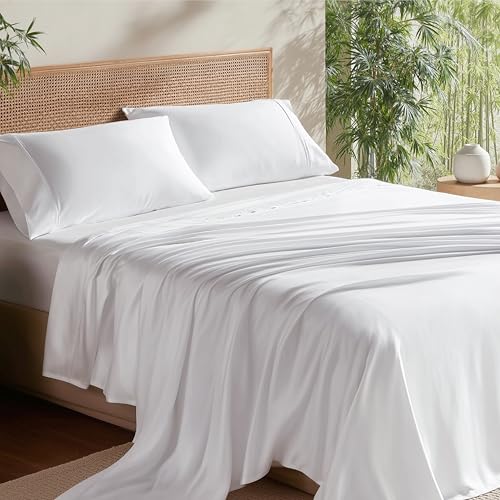
A baby quilt is a small layered blanket, usually cotton on both sides with light batting between, sized for a crib, stroller or play mat. It is made for daytime use: tummy time, car seat cover-ups, nursery decor and stroller walks.
The six quilts below range from soft muslin to organic cotton and themed nursery prints. They cover several of the searches parents run, such as organic baby quilts, modern baby quilts and the fabrics and batting that go into them, and they include activity-style play quilts only where the maker describes them that way. We have not used these products ourselves, so confirm the size, material and price on the current listing before you buy.
As an Amazon Associate we earn from qualifying purchases. Links below are affiliate links, and they do not change the product information we give.
What to Look For
| Feature | Why it matters |
|---|---|
| Fabric | Cotton, muslin and organic cotton feel different and wash differently |
| Batting | Thin batting keeps a quilt light; thicker fill adds warmth but also bulk |
| Size | Crib and stroller sizes are common, so check the listing for exact measures |
| Care | Machine-washable quilts save time with a new baby |
| Safety | Keep loose quilts out of the crib during sleep and follow pediatric guidance |
In this guide
Specs at a Glance
| Quilt | Material | Size | Notes |
|---|---|---|---|
| Little Unicorn Muslin Quilt | Cotton muslin | Check the listing | Soft layers; many prints |
| Burt’s Bees Baby Quilt | Organic cotton | Crib-style; check the listing | Sold as organic cotton |
| Lambs & Ivy Baby Quilt | Cotton or cotton blend | Check the listing | Nursery themes |
| Trend Lab Baby Quilt | Cotton or cotton blend | Crib size; check the listing | Many patterns |
| Hudson Baby Quilt | Cotton | Check the listing | Value baby brand |
| Carter’s Baby Quilt | Cotton or cotton blend | Check the listing | Familiar baby brand |
The 6 Best Baby Quilts

Top pickBest for stroller walks and play mats
1. Little Unicorn Cotton Muslin Quilt
A cotton muslin quilt from a brand known for muslin baby bedding. Muslin tends to soften with washing, and the quilting keeps it a little more substantial than a plain muslin blanket.
Suits: stroller walks and play mats. Strengths: a soft, breathable feel and a wide choice of prints. Weaknesses: prints and sizes vary by listing. Skip it if you want a heavy, warm quilt.

Best for parents who prefer organic cotton
2. Burt’s Bees Baby Organic Cotton Quilt
A cotton baby quilt from a long-running baby brand that sells many organic cotton products. It suits parents who want a simple, plain-patterned quilt for the nursery and a natural-fiber feel.
Suits: parents who prefer organic cotton. Strengths: a familiar baby brand and understated patterns. Weaknesses: check the listing for the exact fabric claims. Skip it if you want a bold or themed design.
View Burt’s Bees Baby Quilt on Amazon

Best for themed nurseries
3. Lambs & Ivy Baby Quilt
Lambs & Ivy is a nursery bedding maker with many themed collections. Its quilts are meant to match crib sets and wall decor, so the look and the matching pieces are the main draw.
Suits: themed nurseries. Strengths: matching sets and a decorative look. Weaknesses: fabric blends differ between collections. Skip it if you only want a plain, neutral quilt.

Best for modern nursery looks
4. Trend Lab Baby Quilt
Trend Lab makes crib bedding in many patterns, including modern geometric and animal prints. The quilts are a good fit when you want a modern baby quilt for a display shelf, a photo spot or the foot of the crib.
Suits: modern nursery looks. Strengths: a broad range of patterns. Weaknesses: patterns change from season to season. Skip it if you want only an organic option.
View Trend Lab Baby Quilt on Amazon
Best for everyday use and spare quilts
5. Hudson Baby Cotton Quilt
Hudson Baby is a value brand with many blankets and quilts in cotton and cotton blends. It is a practical pick for an extra quilt that will be washed often and tossed in a diaper bag.
Suits: everyday use and spare quilts. Strengths: easy-care fabrics at a modest cost. Weaknesses: a basic look in some designs. Skip it if you want a premium, heirloom quilt.
View Hudson Baby Quilt on Amazon
Best for gifts and everyday use
6. Carter’s Baby Quilt
Carter’s is one of the best-known baby brands, and its blankets and quilts follow its clothing colors and prints. It is an easy gift choice when you already know the nursery palette.
Suits: gifts and everyday use. Strengths: a trusted brand name and neutral options. Weaknesses: lines change often. Skip it if you need a specific batting weight.
View Carter’s Baby Quilt on Amazon
Care and Setup
- Wash a new quilt once before use, following the care label.
- Use mild detergent and skip fabric softener on baby bedding.
- Dry on low heat to limit shrinking and keep the stitching flat.
- Spot-clean small spills right away so stains do not set.
Mistakes to Avoid
- Putting a loose quilt in the crib for sleep.
- Buying by print without checking the fabric.
- Assuming every quilt is organic without reading the listing.
- Choosing a size that is too large for a stroller.
Sizes and Everyday Uses
Baby quilts come in a range of sizes, and the size you choose should match how you plan to use it. Smaller stroller or lovey sizes are easy to fold into a bag and tuck around a car seat or stroller seat. Medium sizes work well as play mat covers for tummy time or for covering a lap during feeding. Larger crib-size quilts are often used as nursery decor, hung on a wall, draped over a chair or kept as a keepsake.
Sizes vary a lot between makers and even between collections from the same maker, and listings sometimes use words such as “crib size” loosely. Look for exact measurements in inches or centimeters, and compare them to your stroller, play space or crib. A quilt that is too large for a stroller can drag on the ground or tangle in the wheels, which is a hazard as well as a nuisance.
- For strollers: choose a size that fits the seat without hanging over the sides.
- For play mats: a larger square gives room to lie down and roll.
- For nursery decor: crib-size or larger quilts show off the pattern.
- For travel: a lighter, smaller quilt packs well.
Keep in mind that a quilt is a daytime item. For sleep, follow current pediatric safety guidance, which advises against loose bedding in the sleep space.
Fabrics, Fills and How They Feel
The fabric and fill give a quilt its character. Cotton is the most common choice for baby quilts, and it is breathable and easy to wash. Muslin is a loosely woven cotton that is light and tends to soften with washing, which makes it popular for warm weather. Sateen has a smoother surface, while flannel is brushed for extra softness and warmth. Blends of cotton and polyester may resist wrinkles and shrinking, but they feel different against the skin.
The fill, or batting, is the thin layer between the top and back. Cotton batting is breathable and tends to be flat, while polyester batting adds loft and warmth but can feel bulkier. Thicker fill makes a quilt warmer and heavier, which may be too much for a baby. For most daytime uses, a light fill is plenty. Check the listing for the fabric on each side, the batting type and any notes on pre-washing.
- Run your hand over the fabric, if you can, to check it is smooth and soft.
- Look at the stitching. Closely spaced quilting keeps the batting from shifting in the wash.
- Check the binding on the edges, which should be neatly sewn and secure.
- Read the care label before you buy, so you know how it will behave in your washer.
Understanding Organic and Material Claims
Many parents look for organic or chemical-conscious bedding, so it helps to know how to read the labels. Words like “natural,” “pure” or “eco” are not always defined in a consistent way. A claim of organic cotton usually refers to how the cotton was grown, and there are third-party standards that certify it. If a listing mentions a certification, look for the certifier’s name and details on the product page or the maker’s own site, and treat unsupported claims with caution.
Also note what part of the quilt a claim covers. A quilt might use organic cotton on the top but a different fabric on the back or in the fill. Dyes, prints and finishes can matter to families with sensitive skin. Some makers describe their dyes or finishes on the product page, and others do not. If this matters to you, ask the seller or the maker for details before purchasing.
- Look for clear statements of fabric content on each layer.
- Look for named certifications, not just general claims.
- Wash a new quilt before use, as the care label states, to remove loose fibers and finishing residues.
- If your baby has eczema or sensitive skin, ask your pediatrician about suitable fabrics and laundry products.
Remember that organic does not automatically mean safer for sleep. Safe-sleep guidance applies to all bedding.
Washing and Making a Quilt Last
A baby quilt will be washed often, so it should be made to take it. Most makers recommend machine washing in cool or warm water on a gentle cycle with a mild, fragrance-free detergent. Wash a new quilt by itself the first time, since colors can bleed. Skip fabric softeners and bleach, which can leave residues on the fabric and wear down fibers. Dry on low heat or hang dry to limit shrinking and keep the stitching flat.
Expect some change after the first washes. Cotton and muslin often shrink a little and become softer, and quilted fabrics may pucker slightly where the stitching pulls. This is normal, and it is why some people buy a size slightly larger than they need. Check the care label for pre-washing advice and for any limits, such as no tumble drying.
- Treat stains right away with a mild stain remover that is safe for baby items.
- Close any hook or velcro fastenings on other laundry so they do not snag the quilt.
- Store the quilt clean and dry in a breathable cotton bag, not sealed plastic.
- Check seams and binding from time to time, and repair loose stitching early.
A quilt that is well cared for can be kept as a keepsake or passed on to another child.
Buying a Baby Quilt as a Gift
A baby quilt is a popular gift, and a few considerations can help you choose one that will be used. Start with the parents’ taste. If you can see the nursery or know the color scheme, match it. If not, neutral colors and simple patterns fit most spaces. A themed quilt with animals, stars or a woodland scene is charming, but it may be less flexible than a plain or geometric design.
Think about practicality. A machine-washable quilt in a medium size is more likely to be used daily than a delicate or oversized one. Check that the listing gives a clear size, fabric details and care instructions, and look at the return policy in case the quilt is not right. Gift wrapping is nice, but a gift receipt is more useful.
- Choose a size suited to stroller and play mat use, which is where most quilts are used first.
- Consider adding a note about safe sleep, or simply stating that the quilt is for play and daytime use.
- If you are buying for a baby due in a different season, think about weight. A lighter quilt works in summer, while a thicker one may suit cooler weather.
- Match the quilt with a small item, such as a muslin cloth or a book, if you want a fuller gift.
When in doubt, ask the parents for a preference. It saves a return later.
A Checklist for Choosing a Baby Quilt
A baby quilt is often a gift, a keepsake or a play mat, and the right choice depends on its job. Consider these points first.
- Will the quilt be used for play on the floor, for stroller outings, as wall decor or as a keepsake?
- What size do you need: a small lovey, a stroller blanket or a crib-size piece?
- What are the fabric and the filling, and does the maker describe them clearly?
- What are the washing instructions, and are they realistic for a household with a baby?
- Does the quilt have a label that states its care and materials?
- Does the maker offer a certification or a statement on materials that you can read?
Follow official guidance from pediatric and safety authorities on what should and should not be placed in a crib. If you are unsure, ask your pediatrician or a trusted official resource.
Think about washing early. Babies create laundry, so a quilt that tolerates frequent washing is likely to be used more often.
Comparing Uses and Sizes
The same product category covers several roles.
| Use | Helpful features |
|---|---|
| Play mat | Easy-to-wash fabric and a size big enough for floor play |
| Stroller or car-seat cover | Light weight and a manageable size, following the car seat maker’s guidance |
| Keepsake or gift | Attractive design and a care label for gentle washing |
| Wall decor | A hanging sleeve or a flat design that can be framed |
Pick based on the main use, and treat the other uses as a bonus.
Caring for a Baby Quilt
Wash a new quilt before use, following the label. Use a mild detergent suited to sensitive skin if the maker suggests, and avoid fabric softeners unless the label permits them. Dry as directed, and check the stitching and seams regularly for loose threads.
Stitching and decorative elements that can come loose deserve attention. If you notice any small parts coming away, stop using the quilt and repair or replace it. Store the quilt in a clean, dry place, and use breathable storage rather than sealed plastic.
Reading a Baby Quilt Listing
Look at the dimensions, the fabric content and the filling. Check the care label description and any statement on testing or certification, which you can verify with the maker. Read about the stitching method and the design details.
See whether the listing shows the back of the quilt, since fabric choices often differ. The return policy matters for gifts.
A Short Glossary of Quilt Terms
- Batting: the soft layer between the top and the backing.
- Binding: the strip of fabric that finishes the edges.
- Quilting stitch: the stitching that holds the layers together.
- Applique: fabric shapes sewn onto the surface.
- Muslin: a lightweight woven cotton fabric used in many baby textiles.
The care label is the best reference for your specific quilt.
Mistakes to Avoid With Baby Quilts
- Skipping the care label. Wrong washing can ruin a keepsake.
- Ignoring loose threads. Repair them promptly.
- Treating a decorative quilt as bedding. Follow safety guidance.
- Buying too large for the purpose. Size to the use.
Baby Quilt Uses and Cautions
A baby quilt has many roles, and knowing which ones suit your family helps you choose a size and fabric.
- Play mat. Laid on the floor, a quilt gives a soft spot for tummy time while you are watching.
- Stroller or car seat cover. Follow the car seat maker’s guidance on what may be placed over a seat.
- Nursery decoration. A quilt on a wall or chair adds colour, away from the cot.
- Keepsake. Many families treasure a handmade or special quilt.
- Cuddle blanket for an older child. Quilts often stay in use for years.
Soft bedding is not suitable in an infant’s sleep space under many official safe sleep recommendations. Follow current guidance from your paediatric health authority and the cot maker’s instructions.
Fabric Types and Washing Notes
The cover material affects softness, warmth and ease of care.
| Fabric | Feel | Care point |
|---|---|---|
| Muslin cotton | Light and airy, softens with washing | May crinkle and shrink slightly |
| Organic cotton | Soft, with certification marks on some | Check what the certification covers |
| Standard cotton | Durable and familiar | Wash before first use |
| Cotton blends | Easy care | Check the label for temperature |
Wash a new quilt before use, following the care label, and use a gentle detergent. Dry flat or on low heat as the maker advises, and check seams and stitching for loose threads. Over time, quilts soften and may fade a little, which many parents find part of their charm. Store the quilt in a breathable cotton bag when not in use.
Reading the Shortlist Like a Buyer, Not a Browser
The reviews above give you the facts on each baby quilt; this section is about turning those facts into a decision. Start by writing down, honestly, how you will use your baby quilt in its first month: how often, for what, and spread in a crib, over a nursing chair, or on the floor for tummy time. Most disappointing purchases happen when a buyer shops for an imagined routine — the elaborate project, the big gathering, the new hobby at full intensity — instead of the ordinary routine that will account for nearly every use. If your real routine is modest, a simpler option from the list will usually serve you better than the most feature-heavy one.
Next, separate the criteria into three groups. The first group is fit: does the baby quilt suit your space, your existing equipment and the people who will use it? Fit problems cannot be worked around later, so treat them as pass-or-fail checks using the measurements and notes in the reviews above. The second group is daily handling: weight, grip, balance, controls and anything else you will touch every single time. Small annoyances in this group grow with repetition, so weight them heavily. The third group is upkeep: how it washes, how it dries, how it stores and what it needs from you each week. Upkeep is where good products quietly become burdens, and it is the group buyers most often skip while comparing.
Finally, read the limitation noted in each review as seriously as the strengths. Every baby quilt in this guide involves a trade-off, and the honest limitation tells you which trade-off you are accepting. A limitation that touches something you do rarely is a bargain; a limitation that touches your most common use is a warning, even if everything else about the product looks ideal. Choosing well is mostly the discipline of matching a product’s known weaknesses to the parts of your routine where they will matter least.
It also helps to learn the vocabulary the reviews use, because the same word can hide different designs. When a review describes an baby quilt as sturdy, versatile or easy-care, look for the sentence that explains why — the construction, the material or the routine it assumes — and check that the reason applies in your home. Marketing language travels from product to product unchanged; the reasoning in a good review does not. If two picks seem identical on the surface, the difference is usually in those explanatory sentences: one was designed around frequent use, the other around occasional use, and that single distinction predicts long-term satisfaction better than any feature list.
Matching an Baby quilt to Real Households and Routines
Consider a few common situations. A beginner, or someone returning to the activity after a long break, benefits most from forgiveness: an baby quilt that is easy to handle, easy to clean and hard to misuse, even if it gives up some refinement. Early frustration ends more hobbies and routines than poor results do, so the beginner-friendly option in the shortlist is rarely the basic choice — it is the one most likely to still be in regular use a year later.
A busy household has the opposite problem: plenty of use, very little time. Here the deciding factors are speed of setup, speed of cleaning and how well the baby quilt tolerates being used by several people with different habits. Look again at the reviews with that lens and favour the options whose care notes sound like your actual evenings, not an idealised weekend. Textile projects and bedding reward patience in choosing. Think about the full life of the piece: how often it will be washed, who will handle it, whether it will be stored for months at a time, and how it needs to behave after years rather than weeks. A choice that suits the way you actually sew, sleep or wash will outperform a theoretically better choice that fights your habits at every step.
A keen enthusiast, by contrast, will notice and value differences that a casual user never feels: finer control, more consistent results, materials that reward careful handling. If that sounds like you, the shortlist’s more specialised options deserve the closest reading, and the comparison notes in each review — who it suits, who should skip it — will point you to the right end of the range. And if you are buying as a gift, choose for the recipient’s routine rather than your own taste, and favour the option that is easiest to live with straight out of the box, since a gift that needs accessories, practice or storage space it does not have tends to stay in its packaging.
First Use, Done Properly: A Step-by-Step Start
When your baby quilt arrives, resist the urge to put it straight to work. Unpack it fully, check it over for damage from shipping, and read any instructions that came with it all the way through once — not because the steps are complicated, but because the one warning that matters is usually in the middle of a paragraph most people skim. Wash or wipe it down as the maker directs before first use, since new products often carry dust or residue from manufacturing and packing.
For the first real use, keep things deliberately simple. Choose the easiest, most familiar version of the task — the recipe, project or routine you already know well — so that any difference in the result is down to the baby quilt and not to unfamiliar steps. Pay attention to the basics: how it sits or is held, how much effort each stage takes, where it feels awkward, and how the result compares with what you are used to. Small adjustments made in this first session, while you are paying attention, become the habits that make later sessions effortless.
Afterwards, clean and put away the baby quilt immediately, following the care notes in its review above, and notice how long that actually takes. That cleaning time is part of the product’s real cost, and knowing it now lets you plan for it honestly. If something about the first use genuinely disappoints you, note exactly what it was before the memory softens; a specific complaint can be solved with a technique change or an exchange, while a vague feeling of disappointment usually just lingers.
Care, Cleaning and Storage That Add Years of Use
Most baby quilts do not wear out from use; they wear out from care that is slightly wrong, repeated for months. The pattern is familiar: residue left to dry becomes residue that needs force to remove, force damages surfaces, and damaged surfaces collect more residue. Breaking that cycle is simple — clean soon after use, with the gentlest method that works, and dry thoroughly before storage. The care section earlier in this guide covers the specifics for the picks above; the habits below are what make those specifics stick.
Fabrics and fillings last longest when washing is gentle, drying is complete and storage is clean, dry and unhurried. Avoid sealing textiles away while they hold any moisture, rotate stored pieces so folds do not become permanent creases, and mend small damage early. Sunlight, dust and compression all quietly shorten the life of fibres, so a dark, airy shelf or breathable bag is worth the small effort.
Build the care into the routine rather than treating it as a separate chore. Keep whatever you clean the baby quilt with within arm’s reach of where it is used, store the baby quilt in one consistent place so checking its condition becomes automatic, and do a slightly deeper clean and inspection on a regular rhythm — monthly is a sensible default for anything in weekly use. Catching a loose part, a worn surface or a developing smell early is the difference between a five-minute fix and a replacement purchase.
Add a seasonal deep clean to that rhythm a few times a year. Take the baby quilt out of its usual setting, clean it more thoroughly than the weekly routine allows, inspect every surface and moving part in good light, and deal with anything you find — residue in seams, early wear, a part that has worked loose — before it goes back into service. This is also the moment to wash or replace whatever it is stored with, so a clean item is not put back into a dirty home. Ten unhurried minutes, a few times a year, is the cheapest insurance a purchase like this can have.
How the Picks Above Compare When You Line Them Up
Readers often ask which of the baby quilts in this guide is simply the best, but the shortlist was built the other way round: each pick earned its place by suiting a different kind of buyer. The useful comparison is therefore not a ranking but a matching exercise. Work through the picks below, in the order they appear in the guide, and test each one against the routine you described for yourself in the sections above.
Little Unicorn Cotton Muslin Quilt. Re-read its review above with your own routine in mind: the who-it-suits note tells you the household it was chosen for, and the honest limitation tells you the price of choosing it. If both fit your situation, it belongs on your final shortlist; if the limitation touches your most common use, move on without regret, because one of the other picks was almost certainly chosen with a routine like yours in mind.
Burt’s Bees Baby Organic Cotton Quilt. Re-read its review above with your own routine in mind: the who-it-suits note tells you the household it was chosen for, and the honest limitation tells you the price of choosing it. If both fit your situation, it belongs on your final shortlist; if the limitation touches your most common use, move on without regret, because one of the other picks was almost certainly chosen with a routine like yours in mind.
Lambs & Ivy Baby Quilt. Re-read its review above with your own routine in mind: the who-it-suits note tells you the household it was chosen for, and the honest limitation tells you the price of choosing it. If both fit your situation, it belongs on your final shortlist; if the limitation touches your most common use, move on without regret, because one of the other picks was almost certainly chosen with a routine like yours in mind.
Trend Lab Baby Quilt. Re-read its review above with your own routine in mind: the who-it-suits note tells you the household it was chosen for, and the honest limitation tells you the price of choosing it. If both fit your situation, it belongs on your final shortlist; if the limitation touches your most common use, move on without regret, because one of the other picks was almost certainly chosen with a routine like yours in mind.
Hudson Baby Cotton Quilt. Re-read its review above with your own routine in mind: the who-it-suits note tells you the household it was chosen for, and the honest limitation tells you the price of choosing it. If both fit your situation, it belongs on your final shortlist; if the limitation touches your most common use, move on without regret, because one of the other picks was almost certainly chosen with a routine like yours in mind.
Carter’s Baby Quilt. Re-read its review above with your own routine in mind: the who-it-suits note tells you the household it was chosen for, and the honest limitation tells you the price of choosing it. If both fit your situation, it belongs on your final shortlist; if the limitation touches your most common use, move on without regret, because one of the other picks was almost certainly chosen with a routine like yours in mind.
If two picks both survive that test, let upkeep decide between them: choose the one whose cleaning and storage notes fit the time and space you actually have. If none of them survives cleanly, the deciding factor is usually fit — go back to the measurements and compatibility notes in the reviews, because a compromise on handling can be learned, while a compromise on fit is re-lived at every single use.
More Mistakes That Quietly Ruin a Good Purchase
The mistakes section earlier in this guide covers the classic errors; these are the quieter ones. The first is buying for capacity or capability you will use once a year. An oversized or over-specified baby quilt costs you space, cleaning time and handling effort at every ordinary use in exchange for an advantage that shows up at one annual event. The second is judging by the first use alone: many products improve as you learn them, and many disappointments in week one are technique problems, not product problems. Give a new baby quilt a fair handful of uses, adjusting your approach as the reviews suggest, before concluding it was the wrong choice.
The third mistake is neglecting the unglamorous companions: the storage space, the cleaning supplies, the small accessories that make the main purchase work smoothly. Budget a little attention for those when you buy, and the baby quilt will perform as the reviews describe. The fourth is ignoring the other people in the household. If others will use, wash or store the item, their habits are part of the product’s working conditions; the best choice is often the one everyone can handle correctly without instruction, not the one with the finest performance in expert hands.
A Pre-Purchase Checklist You Can Run in Five Minutes
Before you order any baby quilt from the shortlist, run through this short checklist. First, confirm the fit: compare the measurements and compatibility notes in the review with your own space and equipment, measuring rather than guessing, because returns for fit are the most common and the most avoidable. Second, confirm the routine: picture the item in your busiest week, not your quietest, and check that its setup and cleaning demands still sound acceptable. Third, confirm the people: if anyone else will use or wash it, make sure its handling suits them too.
Fourth, confirm the storage: decide exactly where the baby quilt will live before it arrives, not after, and check that the spot is dry, reachable and large enough without stacking things on top of it. Fifth, confirm the companions: note anything the review says the pick works with or needs — the cleaner, the accessory, the surface — and be sure you already have it or are content to manage without it. Sixth, re-read the honest limitation in the review one final time and say it out loud in terms of your own routine. If it still sounds like a small price, you have found your pick; if it suddenly sounds larger, it probably is, and the checklist has just earned its five minutes.
The First Month: Habits, Adjustments and Small Fixes
Most owners settle into a rhythm with a new baby quilt within the first month, and the habits formed then tend to stick. Use the first few sessions deliberately: vary one thing at a time — your technique, the setting, the order of steps — and notice what changes. That simple discipline teaches you more about the product than a month of identical uses, and it separates problems with the product from problems with the approach, which have very different solutions.
When something goes wrong, work through the small fixes first. Results that disappoint are most often traced to preparation: something not cleaned, not dried, not fitted or not given enough time. Repeat the task once with extra care on the preparation steps described earlier in this guide before concluding anything about the baby quilt itself. If the same problem repeats under careful conditions, consult the limitation notes in the review — you may have found the trade-off that pick is known for — and adjust how or when you use it accordingly.
By the end of the first month, do one honest review of your own: is the baby quilt being used as often as you expected, is its cleaning routine actually happening, and is it stored where you planned? A yes to all three means the purchase has landed. A no usually points to a fixable friction — a better storage spot, a simpler routine, a small companion accessory — rather than a wrong product, and fixing that friction now is far cheaper than replacing the purchase later.
One more habit separates satisfied owners from frustrated ones: they keep the instructions and care notes that came with the product, at least for the first few months. Questions that feel urgent in week three — a cleaning method, a storage warning, a part that seems loose — are usually answered in a single paragraph of that paperwork, and having it to hand turns a worry into a two-minute check.
More Questions Buyers Ask About Baby quilts
How long should a good baby quilt last?
That depends far more on care than on the badge on the box. An baby quilt that is cleaned promptly, dried fully and stored properly will usually serve for years of regular use, while the same product left dirty, damp or knocked around in a crowded cupboard or drawer can show wear within months. The care notes in each review above are the best guide to what a particular pick needs from you.
What should a complete beginner look for first in an baby quilt?
Forgiveness. Choose the option whose review stresses easy handling and straightforward cleaning, even if a more specialised pick looks more impressive. Beginners improve fastest when the equipment does not punish small errors, and confidence built on early successes is what turns a first purchase into a lasting routine.
Is it worth buying a second baby quilt for a different job?
Only when the two jobs genuinely conflict — for example, when one use is rough and daily and the other needs the item at its best, or when two people regularly need it at the same time. For most households, one well-matched baby quilt, properly cared for, covers far more ground than buyers expect, and a second purchase makes sense only after the first has proven exactly where its limits are.
How do I know when an baby quilt needs replacing rather than cleaning or repair?
Look for changes that cleaning does not reverse: surfaces that stay rough, sticky or discoloured after a proper clean, parts that no longer fit or move as they should, and results that have declined even though your technique has not changed. Any damage that affects safety means replacement straight away; purely cosmetic wear is a judgement call you can safely take your time over.
Can I share one baby quilt between different tasks or rooms?
Usually yes, provided it is cleaned between uses where hygiene matters and the fit works in both settings. The trade-off is convenience: a shared baby quilt gets used and washed more often, so it will wear faster, and it is never where the second person expects it to be. Households that share successfully tend to give the item one fixed home and a simple rule about returning it there, clean, every time.
Baby Quilt FAQ
What size is a baby quilt?
Most are crib or stroller size. Check the listing for the exact measurements, since sizes vary a lot between brands.
Is muslin or cotton better for a baby quilt?
Muslin is lighter and softens with washing. Standard cotton quilts are a little heavier and hold their shape well.
Can a baby sleep under a quilt?
Pediatric guidance advises keeping loose blankets out of the sleep space, so use quilts for daytime and play.
What is batting?
It is the thin fill layer between the fabrics. Thinner batting makes a lighter quilt that is easier to wash.
Should I wash a baby quilt before using it?
Yes, most makers advise washing it once before use, following the care label. This helps remove loose fibers and finishing residues, and lets you see how it handles washing.
Will a baby quilt shrink?
Cotton and muslin often shrink a little, especially in a hot wash or dryer. Use cool or warm water and low heat, and check the care label for guidance.
Can I use a quilt as a play mat?
Yes, many families lay a quilt on the floor for tummy time and play. Choose a size big enough for your baby to move on and make sure the floor beneath is clean.
What does thread count mean for a baby quilt?
It describes the number of threads woven in a square inch of fabric. It is not always listed for quilts, and a higher number does not always mean a better product, so focus on fabric type and feel.
How can I tell if a quilt is too warm?
Thick batting and dense fabrics hold more heat. For most daytime use, a lightly filled quilt is enough. Check your baby's neck or chest for sweating, and remove layers if they feel hot.
Is it okay to put a quilt in the stroller?
Many parents do, but make sure the quilt does not cover the baby's face or hang into the wheels. Keep the baby in view and check regularly, particularly in warm weather.
How do I remove stains from a baby quilt?
Treat them early with a mild stain remover that is safe for baby items, then wash according to the label. Avoid bleach, which can damage the fabric.
The Short Version
For muslin, the Little Unicorn. For organic cotton, the Burt’s Bees Baby. For themed nurseries, the Lambs & Ivy. For modern prints, the Trend Lab. For a value pick, the Hudson Baby. For a well-known name, the Carter’s.